Trump signals Iran ceasefire may end, hints at deal and White House celebration
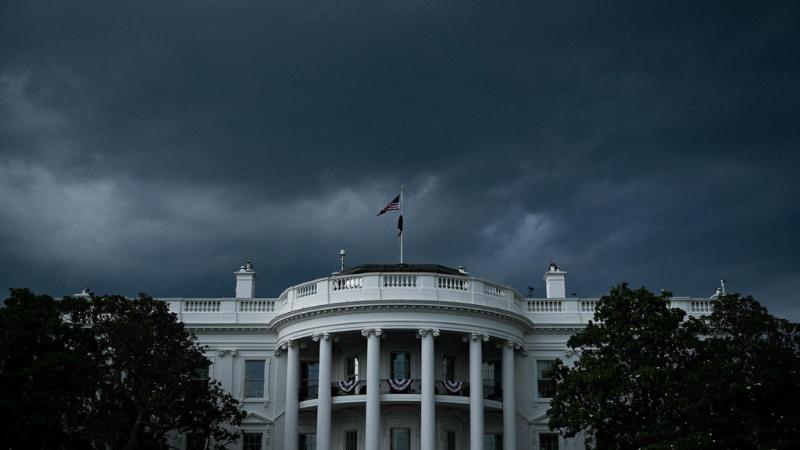
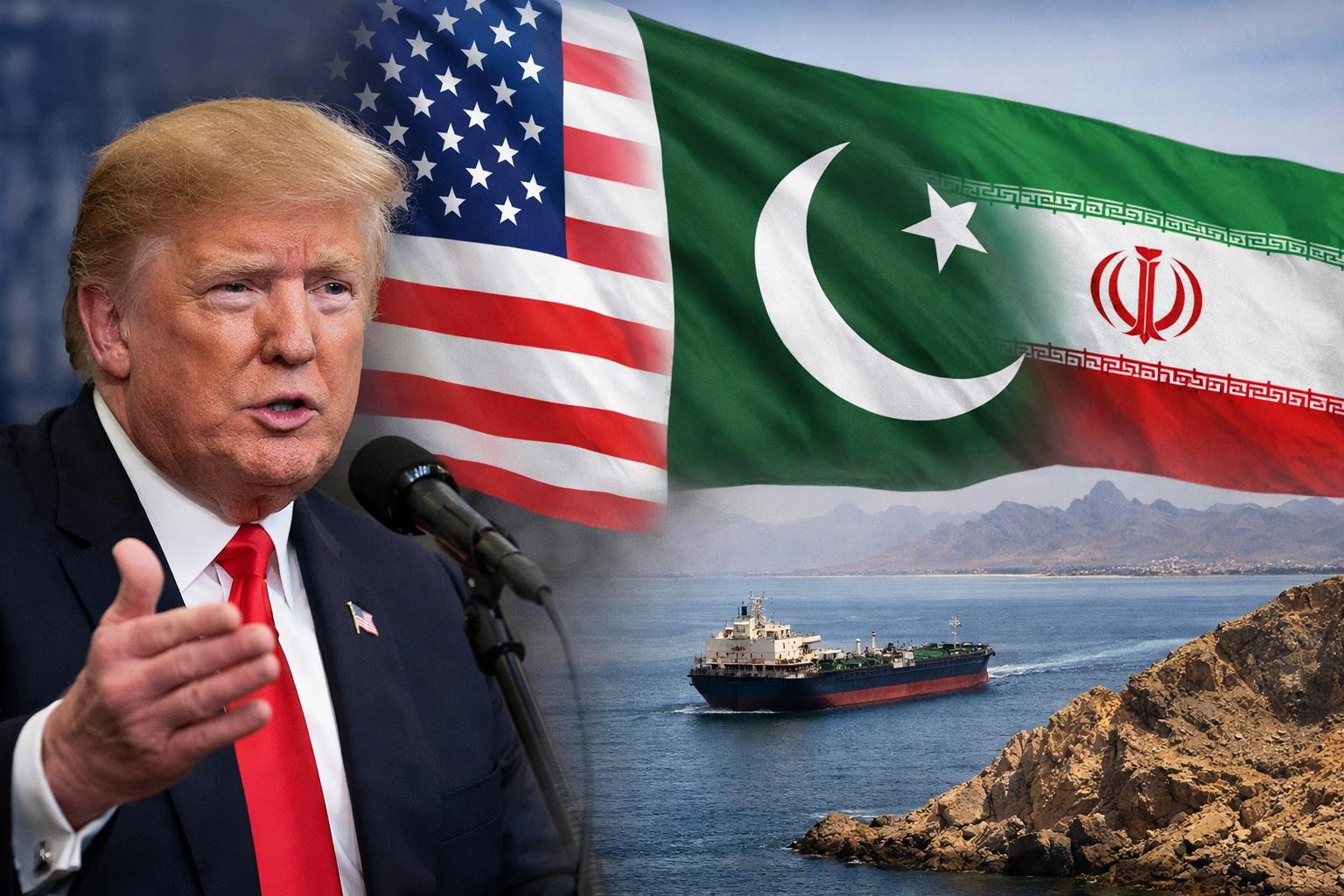
U.S. President Donald Trump signaled both optimism and uncertainty regarding ongoing tensions with Iran, stating that a potential agreement could end hostilities while warning that military action may resume if negotiations fail. Speaking aboard Air Force One at 09:05 AM IST on Saturday, April 18, 2026, Trump said he would host a celebratory gathering at the White House if the conflict concludes throug
Trump signals Iran ceasefire may end, hints at deal and White House celebration
U.S. President Donald Trump signaled both optimism and uncertainty regarding ongoing tensions with Iran, stating that a potential agreement could end hostilities while warning that military action may resume if negotiations fail. Speaking aboard Air Force One at 09:05 AM IST on Saturday, April 18, 2026, Trump said he would host a celebratory gathering at the White House if the conflict concludes throug
How are U.S. oil blockades impacting global tensions? They raise risks with China and Russia
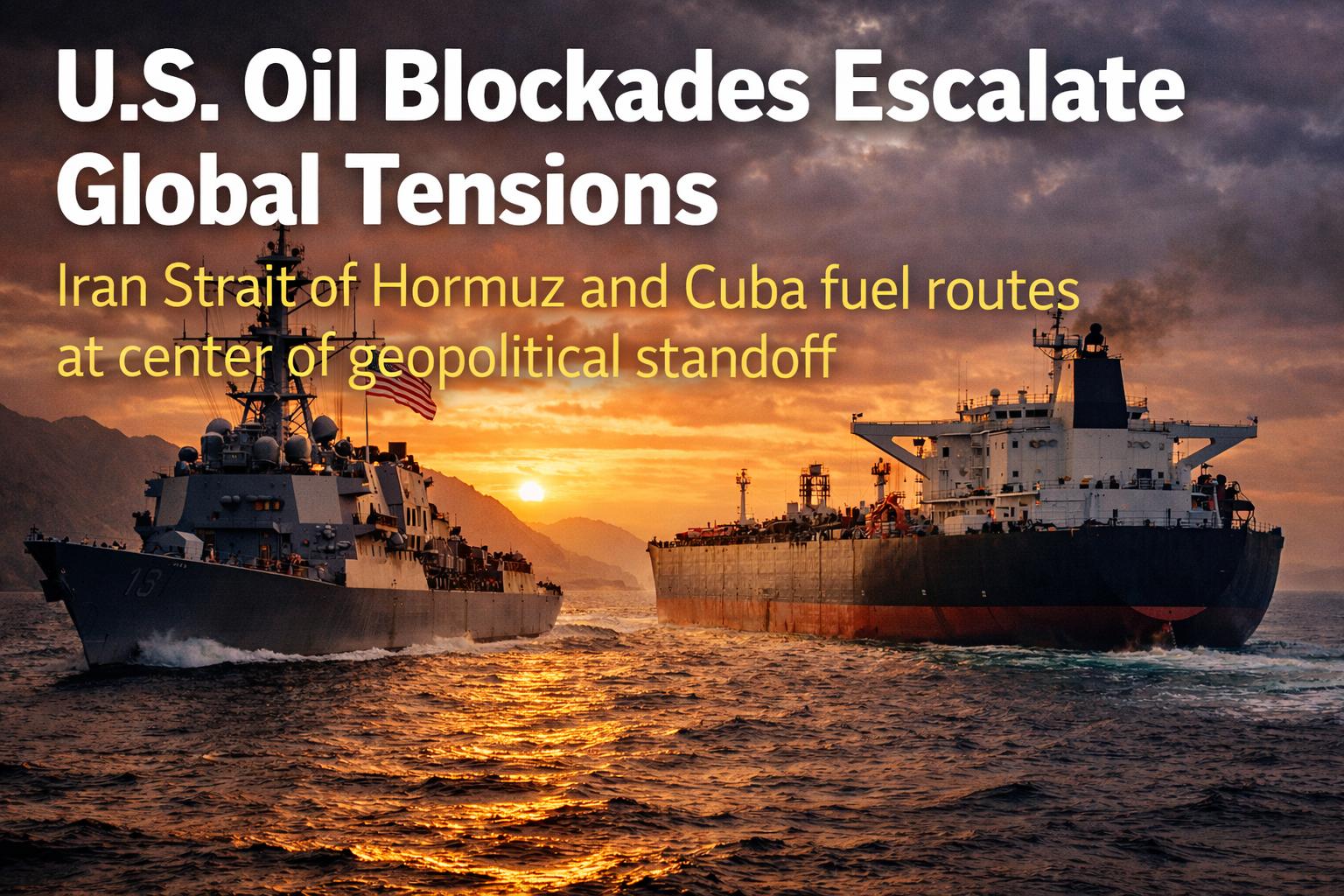
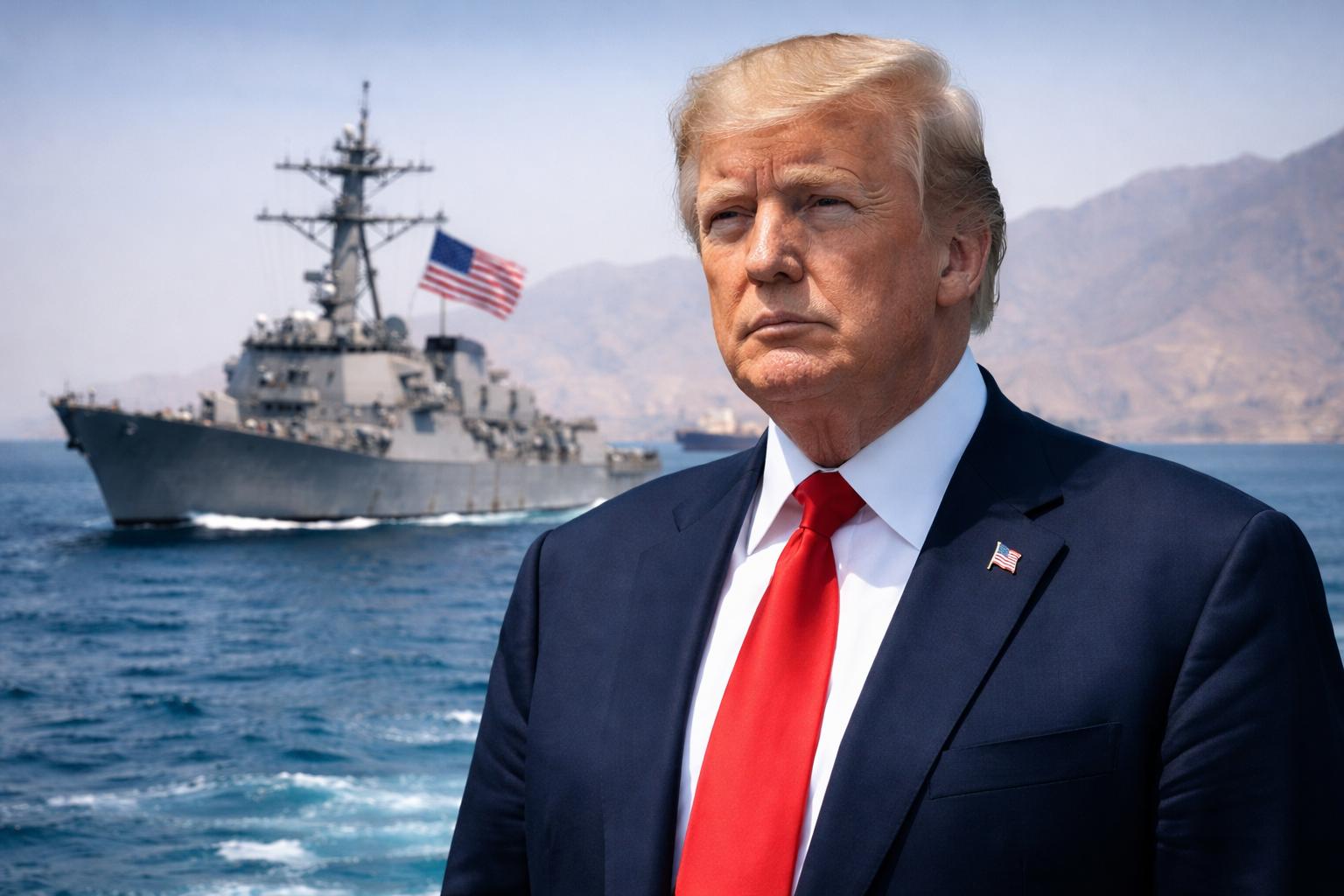
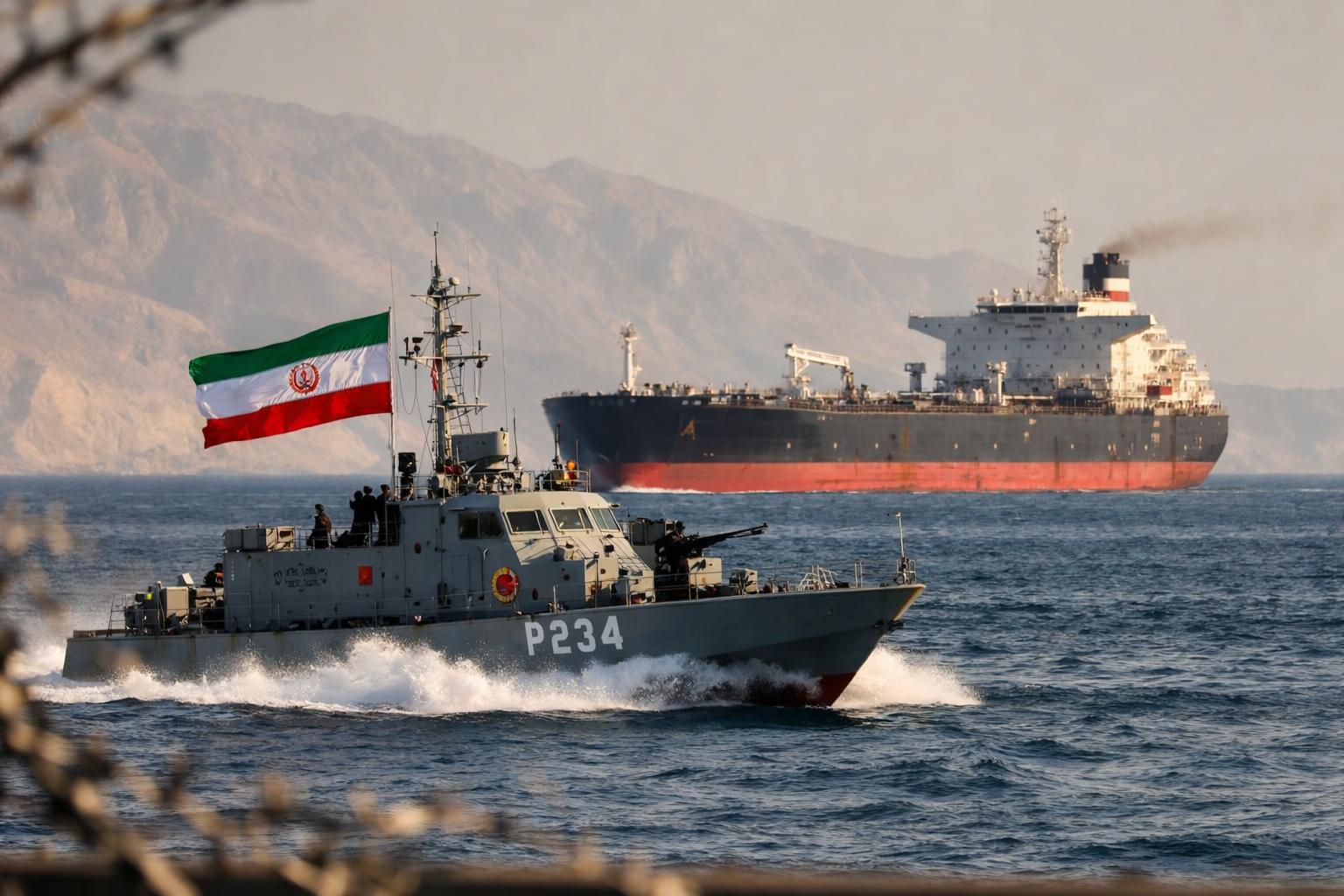
The United States has intensified its use of energy shipments as a foreign policy tool, launching parallel efforts aimed at Iran in the Middle East and Cuba in the Caribbean. Under President Donald Trump, a naval blockade targeting Iranian vessels in and around the Strait of Hormuz began on Monday, marking a significant escalation despite a ceasefire agreement reached on April 7 between regional actors. At the same time, Washington has imposed a de facto fuel blockade on Cuba, warn
How are U.S. oil blockades impacting global tensions? They raise risks with China and Russia
The United States has intensified its use of energy shipments as a foreign policy tool, launching parallel efforts aimed at Iran in the Middle East and Cuba in the Caribbean. Under President Donald Trump, a naval blockade targeting Iranian vessels in and around the Strait of Hormuz began on Monday, marking a significant escalation despite a ceasefire agreement reached on April 7 between regional actors. At the same time, Washington has imposed a de facto fuel blockade on Cuba, warn
Trump and European populists divide: What the growing rift means for global politics
Trump European populist rift deepens over war and policy tensions The relationship between former U.S. President Donald Trump and Europe’s nationalist leaders is showing signs of strain, raising questions about the future of global political alliances. Once seen as natural allies, the growing divide reflects disagreements over foreign policy, particularly the Iran conflict, and shifting public opinion across Europe. European leaders step back from Trump alliances In recent months, several prominent European populist figures who once openly supported Trump have begun to distance themselves. Leaders across the United Kingdom, France, Germany, and Italy are reconsidering their alignment as criticism of U.S. actions abroad intensifies. Policies linked to military interventions and controversial rhetoric have sparked backlash among European voters. This has put pressure on nationalist leaders who had previously embraced Trump’s political style and agenda. In some cases, declining poll numbers suggest that close ties to Trump are becoming a political liability. Why this political shift matters globally The evolving rift highlights a broader shift in global politics. For years, Trump’s “America First” approach aligned with European nationalist movements advocating for stricter borders and reduced international cooperation. Now, disagreements over foreign interventions and economic consequences—such as rising fuel prices—are changing that dynamic. European leaders must balance domestic public opinion with their political alliances, especially as voters express concerns about economic stability and international conflicts. This shift could weaken transatlantic cooperation among right-leaning political movements and reshape political strategies across the continent. From strong alignment to growing tensions Initially, Trump’s leadership energized nationalist parties across Europe. His stance on immigration, trade, and sovereignty resonated with leaders seeking similar policies in their own countries. However, recent developments—including military actions and disputes with global institutions—have exposed differences. Some European leaders have criticized these moves as inconsistent with their own national interests, while others worry about long-term geopolitical consequences. Public opinion has also played a major role. Surveys across Europe indicate high levels of skepticism toward Trump’s policies, forcing politicians to adjust their positions ahead of elections. What happens next for US-Europe political ties Looking ahead, the relationship between Trump-aligned politics and European populism may continue to evolve. Analysts suggest that nationalist leaders will increasingly focus on domestic priorities rather than relying on alignment with U.S. leadership. Future elections across Europe will likely test whether distancing from Trump helps these leaders regain public support. At the same time, ongoing global conflicts and economic pressures could further influence political strategies. A turning point in global populist politics The growing divide between Trump and European populists marks a significant moment in international politics. What was once a strong ideological partnership is now facing real challenges. As political landscapes shift, leaders on both sides of the Atlantic will need to adapt. The outcome of this rift could redefine alliances, influence elections, and shape the future direction of populist movements worldwide.
Trump and European populists divide: What the growing rift means for global politics
Trump European populist rift deepens over war and policy tensions The relationship between former U.S. President Donald Trump and Europe’s nationalist leaders is showing signs of strain, raising questions about the future of global political alliances. Once seen as natural allies, the growing divide reflects disagreements over foreign policy, particularly the Iran conflict, and shifting public opinion across Europe. European leaders step back from Trump alliances In recent months, several prominent European populist figures who once openly supported Trump have begun to distance themselves. Leaders across the United Kingdom, France, Germany, and Italy are reconsidering their alignment as criticism of U.S. actions abroad intensifies. Policies linked to military interventions and controversial rhetoric have sparked backlash among European voters. This has put pressure on nationalist leaders who had previously embraced Trump’s political style and agenda. In some cases, declining poll numbers suggest that close ties to Trump are becoming a political liability. Why this political shift matters globally The evolving rift highlights a broader shift in global politics. For years, Trump’s “America First” approach aligned with European nationalist movements advocating for stricter borders and reduced international cooperation. Now, disagreements over foreign interventions and economic consequences—such as rising fuel prices—are changing that dynamic. European leaders must balance domestic public opinion with their political alliances, especially as voters express concerns about economic stability and international conflicts. This shift could weaken transatlantic cooperation among right-leaning political movements and reshape political strategies across the continent. From strong alignment to growing tensions Initially, Trump’s leadership energized nationalist parties across Europe. His stance on immigration, trade, and sovereignty resonated with leaders seeking similar policies in their own countries. However, recent developments—including military actions and disputes with global institutions—have exposed differences. Some European leaders have criticized these moves as inconsistent with their own national interests, while others worry about long-term geopolitical consequences. Public opinion has also played a major role. Surveys across Europe indicate high levels of skepticism toward Trump’s policies, forcing politicians to adjust their positions ahead of elections. What happens next for US-Europe political ties Looking ahead, the relationship between Trump-aligned politics and European populism may continue to evolve. Analysts suggest that nationalist leaders will increasingly focus on domestic priorities rather than relying on alignment with U.S. leadership. Future elections across Europe will likely test whether distancing from Trump helps these leaders regain public support. At the same time, ongoing global conflicts and economic pressures could further influence political strategies. A turning point in global populist politics The growing divide between Trump and European populists marks a significant moment in international politics. What was once a strong ideological partnership is now facing real challenges. As political landscapes shift, leaders on both sides of the Atlantic will need to adapt. The outcome of this rift could redefine alliances, influence elections, and shape the future direction of populist movements worldwide.
Trump confirms Iran blockade despite Strait of Hormuz reopening
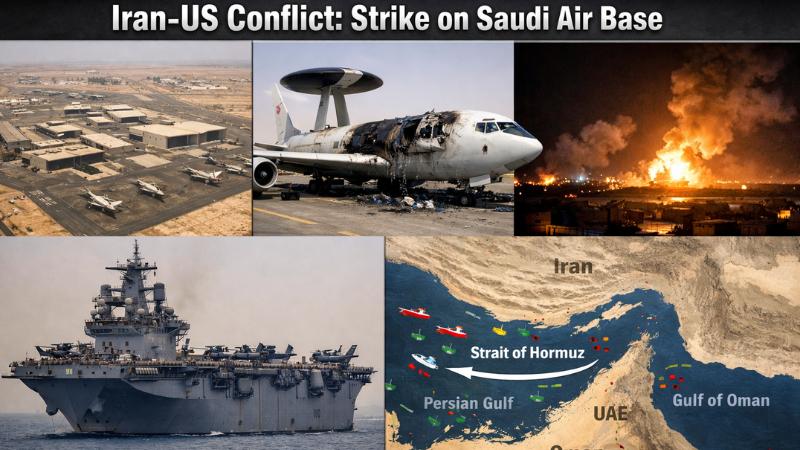
U.S. President Donald Trump said the United States will continue its naval blockade targeting Iran, even after the Strait of Hormuz was reopened for commercial passage. The statement underscores that the broader conflict involving the United States, Iran, and Israel remains unresolved. In a public message, Trump acknowledged Iran’s move to reopen the strategic waterway, a critical route
Trump confirms Iran blockade despite Strait of Hormuz reopening
U.S. President Donald Trump said the United States will continue its naval blockade targeting Iran, even after the Strait of Hormuz was reopened for commercial passage. The statement underscores that the broader conflict involving the United States, Iran, and Israel remains unresolved. In a public message, Trump acknowledged Iran’s move to reopen the strategic waterway, a critical route
Strait of Hormuz reopens after Lebanon cease-fire, Iran says
The Strait of Hormuz has reopened to commercial maritime traffic following a cease-fire agreement in Lebanon, according to Seyed Abbas Araghchi, who spoke on Friday. The senior Iranian official stated that the strategically critical waterway is now “completely open” for all commercial vessels, signaling a potential easing of tensions that had disrupted global shipping flows. Despite the
Strait of Hormuz reopens after Lebanon cease-fire, Iran says
The Strait of Hormuz has reopened to commercial maritime traffic following a cease-fire agreement in Lebanon, according to Seyed Abbas Araghchi, who spoke on Friday. The senior Iranian official stated that the strategically critical waterway is now “completely open” for all commercial vessels, signaling a potential easing of tensions that had disrupted global shipping flows. Despite the
Trump-backed cease-fire in Lebanon puts Netanyahu under pressure at home
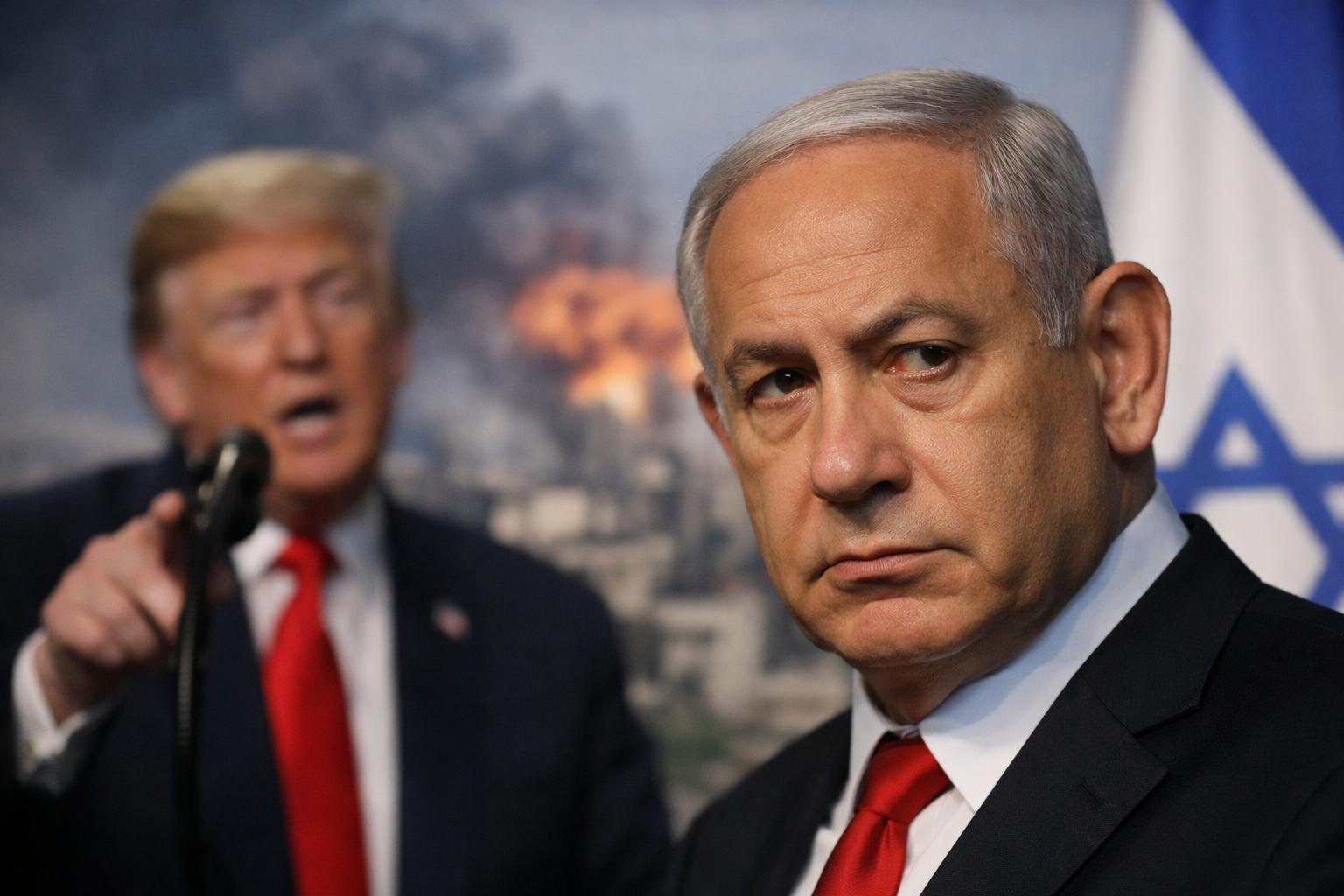
A cease-fire between Israel and Lebanon, pressed forward by Donald Trump, is drawing sharp criticism within Israel, where Prime Minister Benjamin Netanyahu faces mounting political pressure over the decision to halt military operations against
Trump-backed cease-fire in Lebanon puts Netanyahu under pressure at home
A cease-fire between Israel and Lebanon, pressed forward by Donald Trump, is drawing sharp criticism within Israel, where Prime Minister Benjamin Netanyahu faces mounting political pressure over the decision to halt military operations against
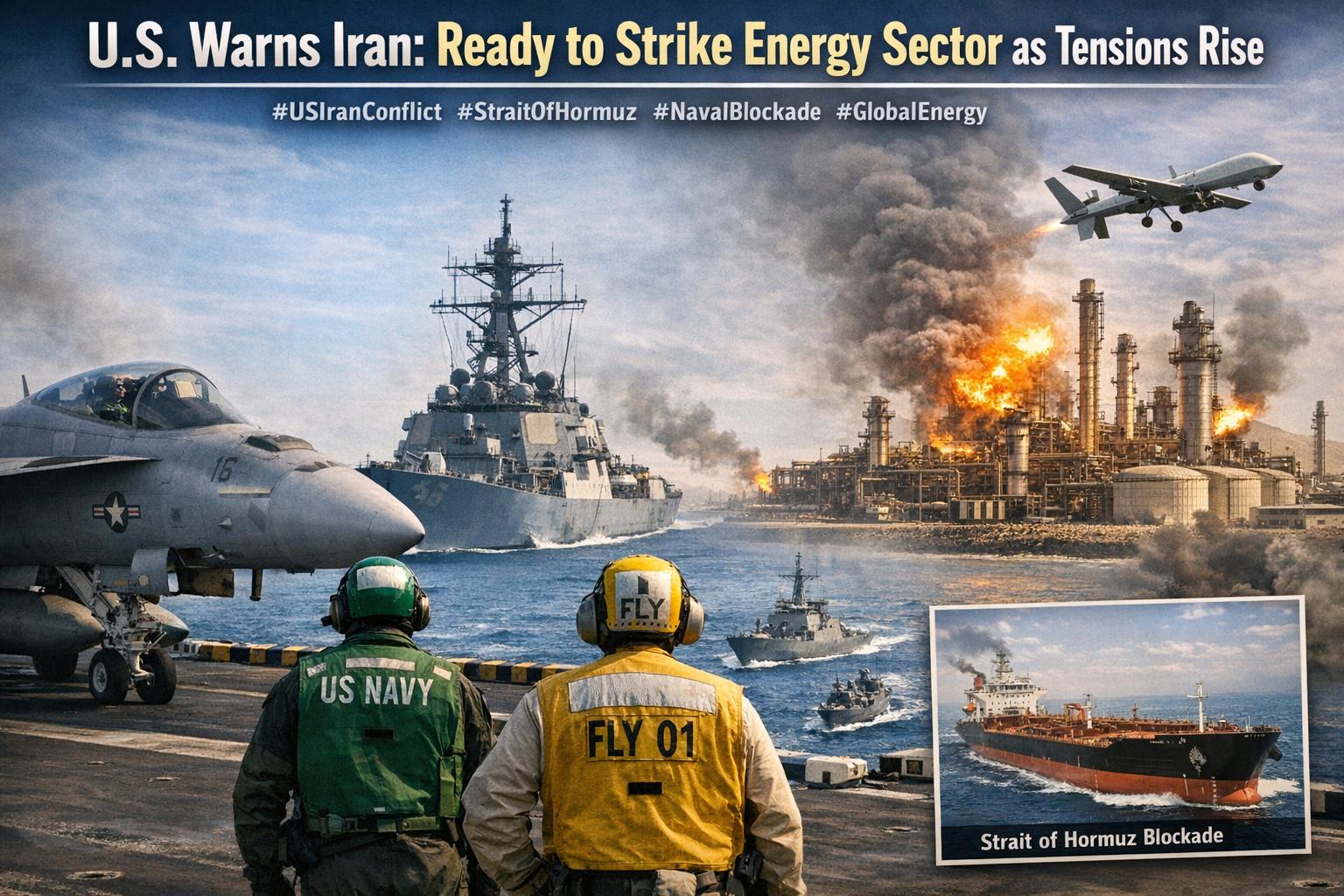
US signals readiness to strike Iran energy sector amid ceasefire tensions
WASHINGTON — The United States signaled a heightened military posture toward Iran on Thursday, April 16, 2026, as senior defense officials warned that U.S. forces are prepared to strike Iran’s energy infrastructure if directed by the president. Speaking in Washington, Defense Secretary Pete Hegseth said current U.S. actions, including a naval blockade, reflect what he described as restrained measures during an ongoing ceasefire period. He emphasized that Iran faces critical decisi
US signals readiness to strike Iran energy sector amid ceasefire tensions
WASHINGTON — The United States signaled a heightened military posture toward Iran on Thursday, April 16, 2026, as senior defense officials warned that U.S. forces are prepared to strike Iran’s energy infrastructure if directed by the president. Speaking in Washington, Defense Secretary Pete Hegseth said current U.S. actions, including a naval blockade, reflect what he described as restrained measures during an ongoing ceasefire period. He emphasized that Iran faces critical decisi
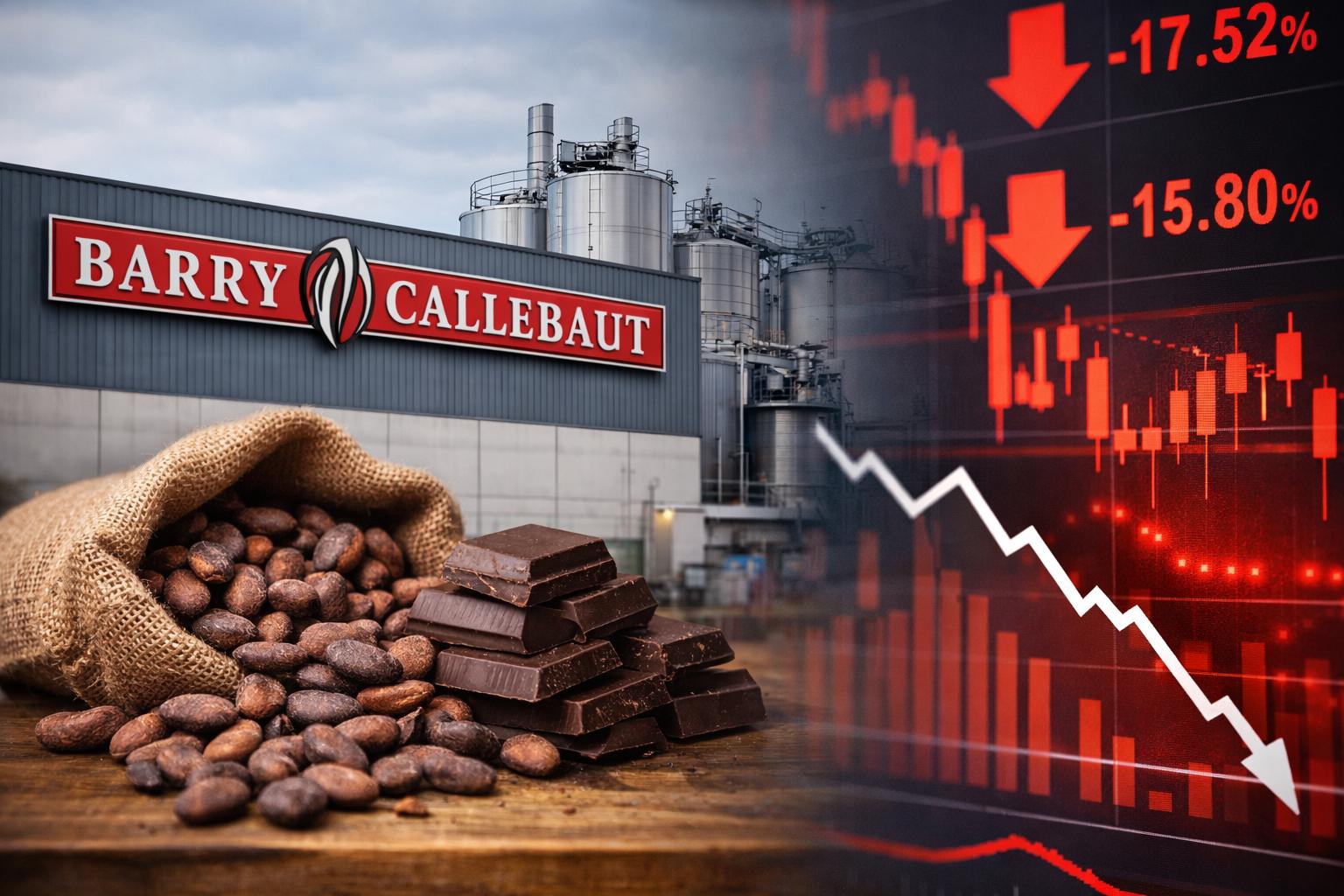
Barry Callebaut cuts profit outlook amid cocoa price drop and supply risks
Barry Callebaut, the world’s largest chocolate producer, announced on Thursday, April 16, 2026, that it has lowered its operating profit forecast for the 2025–2026 fiscal year, citing falling cocoa prices, industry overcapacity, and potential supply disruptions linked to geopolitical tensions involving Iran. The Zurich-based company now expects earnings before interest and tax (EBIT)
Barry Callebaut cuts profit outlook amid cocoa price drop and supply risks
Barry Callebaut, the world’s largest chocolate producer, announced on Thursday, April 16, 2026, that it has lowered its operating profit forecast for the 2025–2026 fiscal year, citing falling cocoa prices, industry overcapacity, and potential supply disruptions linked to geopolitical tensions involving Iran. The Zurich-based company now expects earnings before interest and tax (EBIT)
US warns Iran of strikes on energy infrastructure ahead of cease-fire deadline
Defense Secretary Pete Hegseth issued a stark warning on Thursday, April 16, 2026, from the Pentagon, stating that the United States could target Iran’s energy infrastructure if its leadership does not agree to a peace deal before a temporary cease-fire expires in the coming days. The remarks underscore escalating tensions as Washington intensifies pressure on
US warns Iran of strikes on energy infrastructure ahead of cease-fire deadline
Defense Secretary Pete Hegseth issued a stark warning on Thursday, April 16, 2026, from the Pentagon, stating that the United States could target Iran’s energy infrastructure if its leadership does not agree to a peace deal before a temporary cease-fire expires in the coming days. The remarks underscore escalating tensions as Washington intensifies pressure on
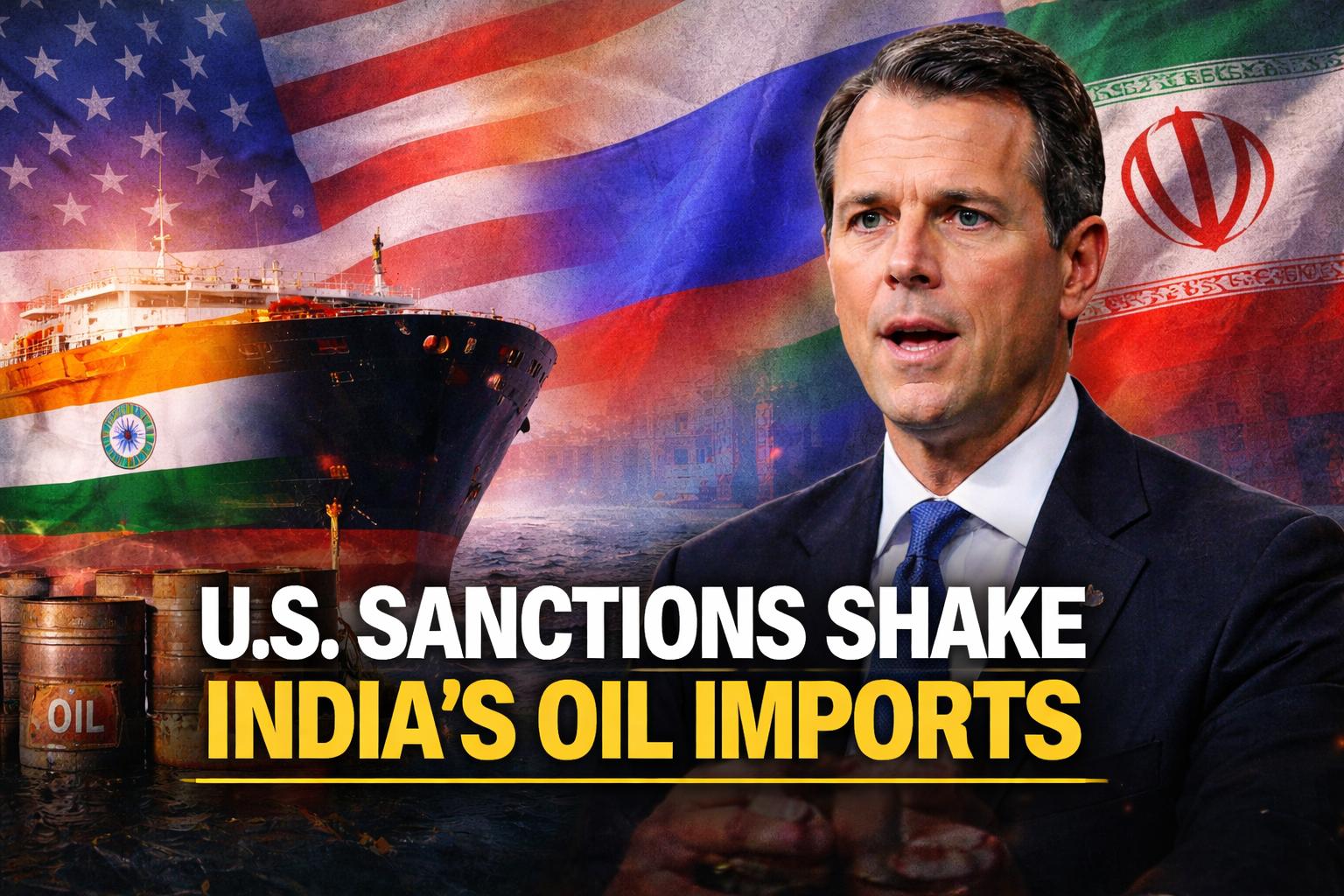
US Sanctions Waivers on Russian and Iranian Oil: Impact on India’s Energy Supply
On April 15, US Treasury Secretary Scott Bessent announced that the US will no longer extend the sanctions waivers that allowed several countries to purchase oil from Russia and Iran. These waivers, which were initially intended to ease global oil supply disruptions, are now being revoked. Bessent emphasized that the move to not renew the general licenses on Russian and Iranian oil would lead to penalties for countries still involved in these transactions. He further warned that secondary san
US Sanctions Waivers on Russian and Iranian Oil: Impact on India’s Energy Supply
On April 15, US Treasury Secretary Scott Bessent announced that the US will no longer extend the sanctions waivers that allowed several countries to purchase oil from Russia and Iran. These waivers, which were initially intended to ease global oil supply disruptions, are now being revoked. Bessent emphasized that the move to not renew the general licenses on Russian and Iranian oil would lead to penalties for countries still involved in these transactions. He further warned that secondary san
Iran's Embassy Shares LEGO-Style Animation of Trump in 'Fake Jesus' Controversy
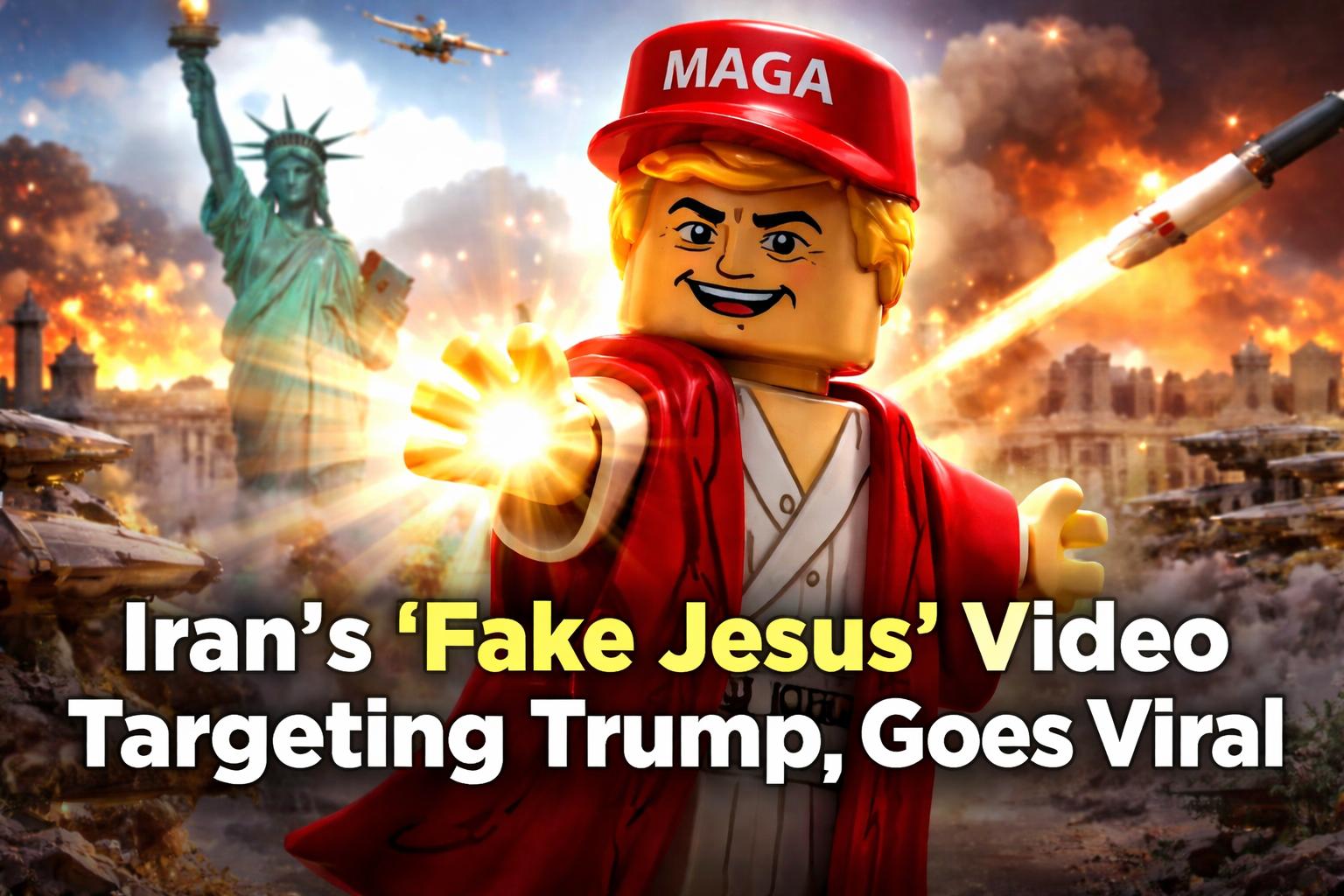
A new viral video from Iran, titled “Fake Jesus,” has quickly garnered attention across social media. This 90-second AI-generated LEGO animation, which debuted on X from the Iranian Embassy’s South Africa account, presents U.S. President Donald Trump as a LEGO-style character. Trump is portrayed in a red robe and MAGA hat, reimagined as a self-proclaimed healer. The rap-style lyrics in the video criticize him for attempting to assume a messianic role while promoting destruction and war.
Iran's Embassy Shares LEGO-Style Animation of Trump in 'Fake Jesus' Controversy
A new viral video from Iran, titled “Fake Jesus,” has quickly garnered attention across social media. This 90-second AI-generated LEGO animation, which debuted on X from the Iranian Embassy’s South Africa account, presents U.S. President Donald Trump as a LEGO-style character. Trump is portrayed in a red robe and MAGA hat, reimagined as a self-proclaimed healer. The rap-style lyrics in the video criticize him for attempting to assume a messianic role while promoting destruction and war.
Ceasefire between Israel and Hezbollah likely to be announced soon, say Lebanese officials
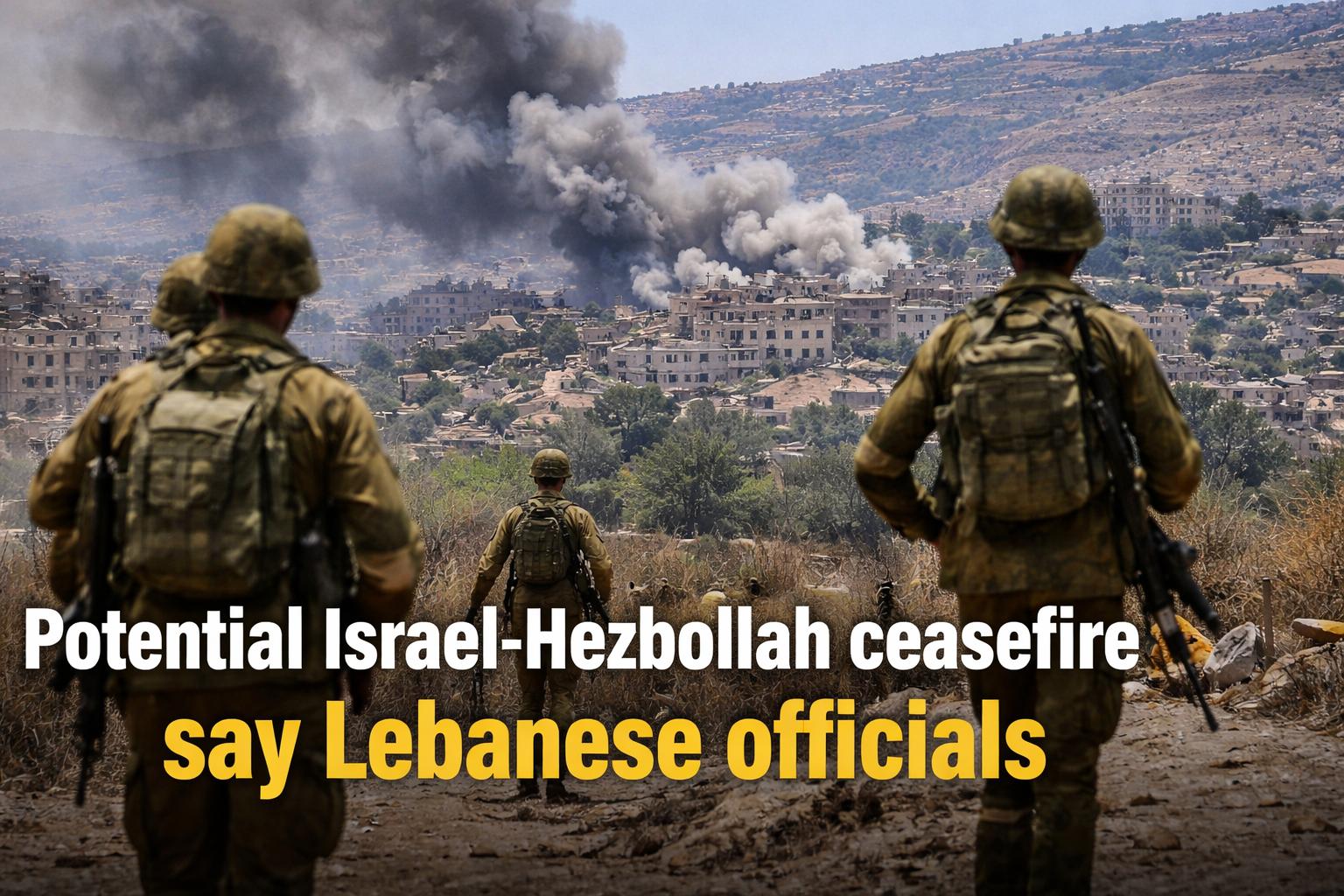
Reports indicate that a ceasefire between Israel and Hezbollah could be announced within days, according to Lebanese officials. The ceasefire is expected to come after Israeli ground forces complete their mission to capture the southern Lebanese town of Bint Jbeil, a stronghold of Hezbollah. Israeli Prime Minister Benjamin Netanyahu confirmed on April 15 that Israeli troops were “about to defeat” Hezbollah in the area. The potential truce marks a complex and pivotal moment in th
Ceasefire between Israel and Hezbollah likely to be announced soon, say Lebanese officials
Reports indicate that a ceasefire between Israel and Hezbollah could be announced within days, according to Lebanese officials. The ceasefire is expected to come after Israeli ground forces complete their mission to capture the southern Lebanese town of Bint Jbeil, a stronghold of Hezbollah. Israeli Prime Minister Benjamin Netanyahu confirmed on April 15 that Israeli troops were “about to defeat” Hezbollah in the area. The potential truce marks a complex and pivotal moment in th
Chinese social media mocks US blockade of Iran as “second toll booth”
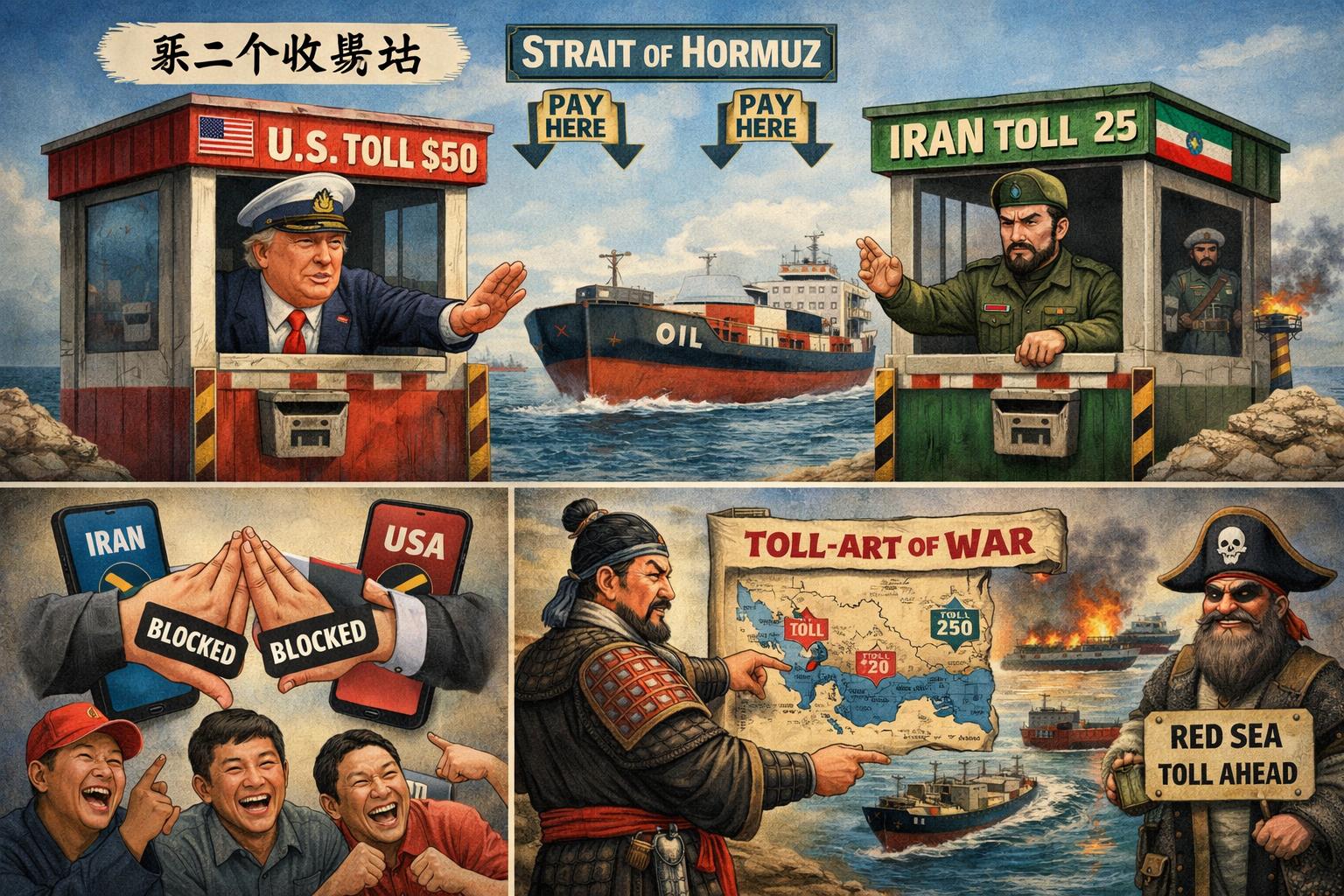
Chinese social media platforms have erupted with criticism and satire following the United States’ decision to impose a blockade on Iran, with many users describing the move as a “second toll booth” controlled by Washington. The reactions come amid escalating geopolitical tensions after the United States and Israel launched strikes on Iran on Friday, February 28, 2026, prompting Tehran to leverage its geographic position to restrict access through the strategically vital Strait of Hormuz.
Chinese social media mocks US blockade of Iran as “second toll booth”
Chinese social media platforms have erupted with criticism and satire following the United States’ decision to impose a blockade on Iran, with many users describing the move as a “second toll booth” controlled by Washington. The reactions come amid escalating geopolitical tensions after the United States and Israel launched strikes on Iran on Friday, February 28, 2026, prompting Tehran to leverage its geographic position to restrict access through the strategically vital Strait of Hormuz.
UK finance chief criticizes US over Iran war economic fallout
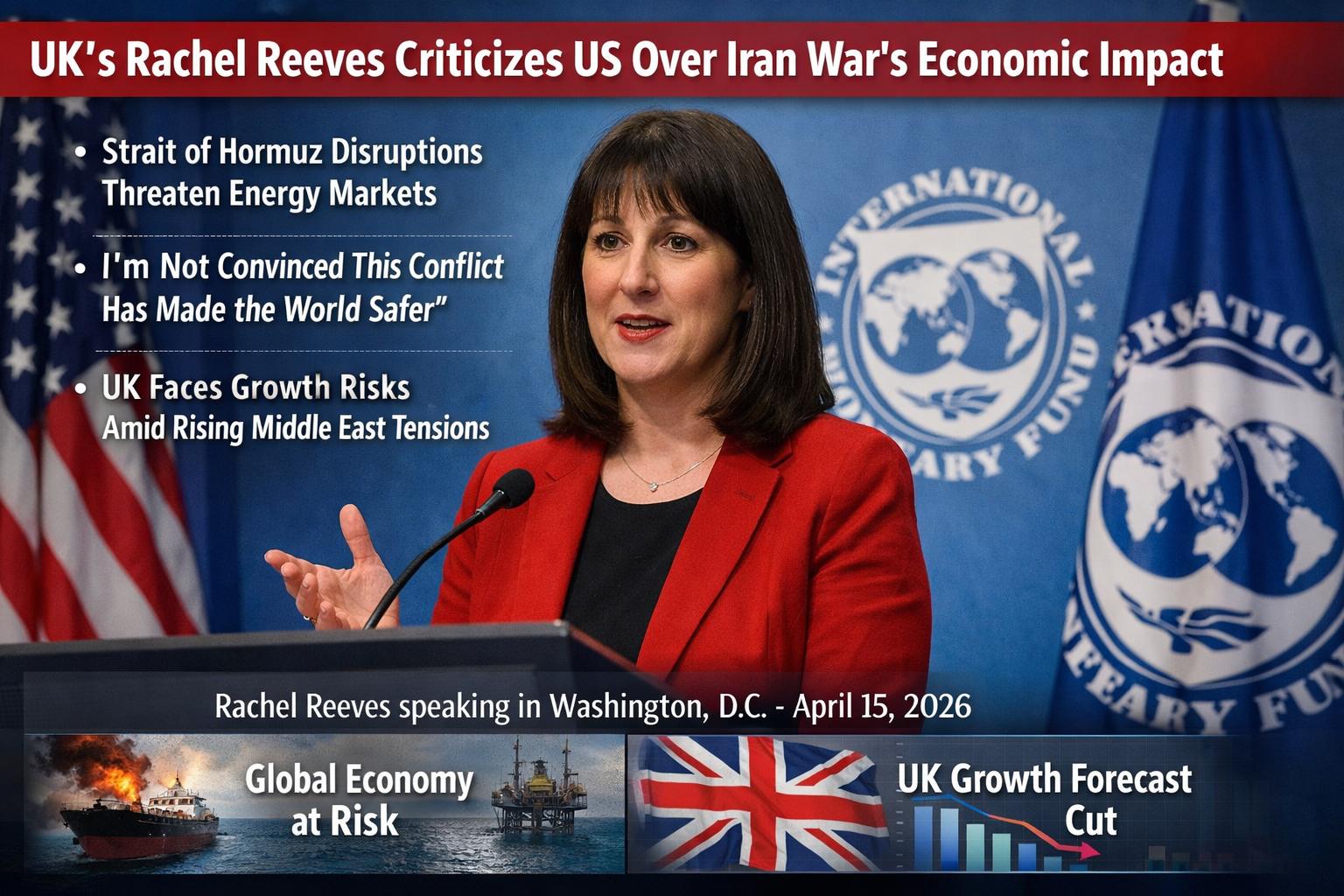
U.K. Finance Minister Rachel Reeves on Wednesday, April 15, 2026, called for immediate de-escalation of the Iran war, warning that the conflict is posing significant risks to global economic stability and expressing concern over the approach taken by the United States. Speaking at a forum in Washington, D.C., Reeves highlighted the economic consequences of disruptions in the Strait of Hormuz, a key global energy shipping route. She warned that ongoing instability in the region is incr
UK finance chief criticizes US over Iran war economic fallout
U.K. Finance Minister Rachel Reeves on Wednesday, April 15, 2026, called for immediate de-escalation of the Iran war, warning that the conflict is posing significant risks to global economic stability and expressing concern over the approach taken by the United States. Speaking at a forum in Washington, D.C., Reeves highlighted the economic consequences of disruptions in the Strait of Hormuz, a key global energy shipping route. She warned that ongoing instability in the region is incr
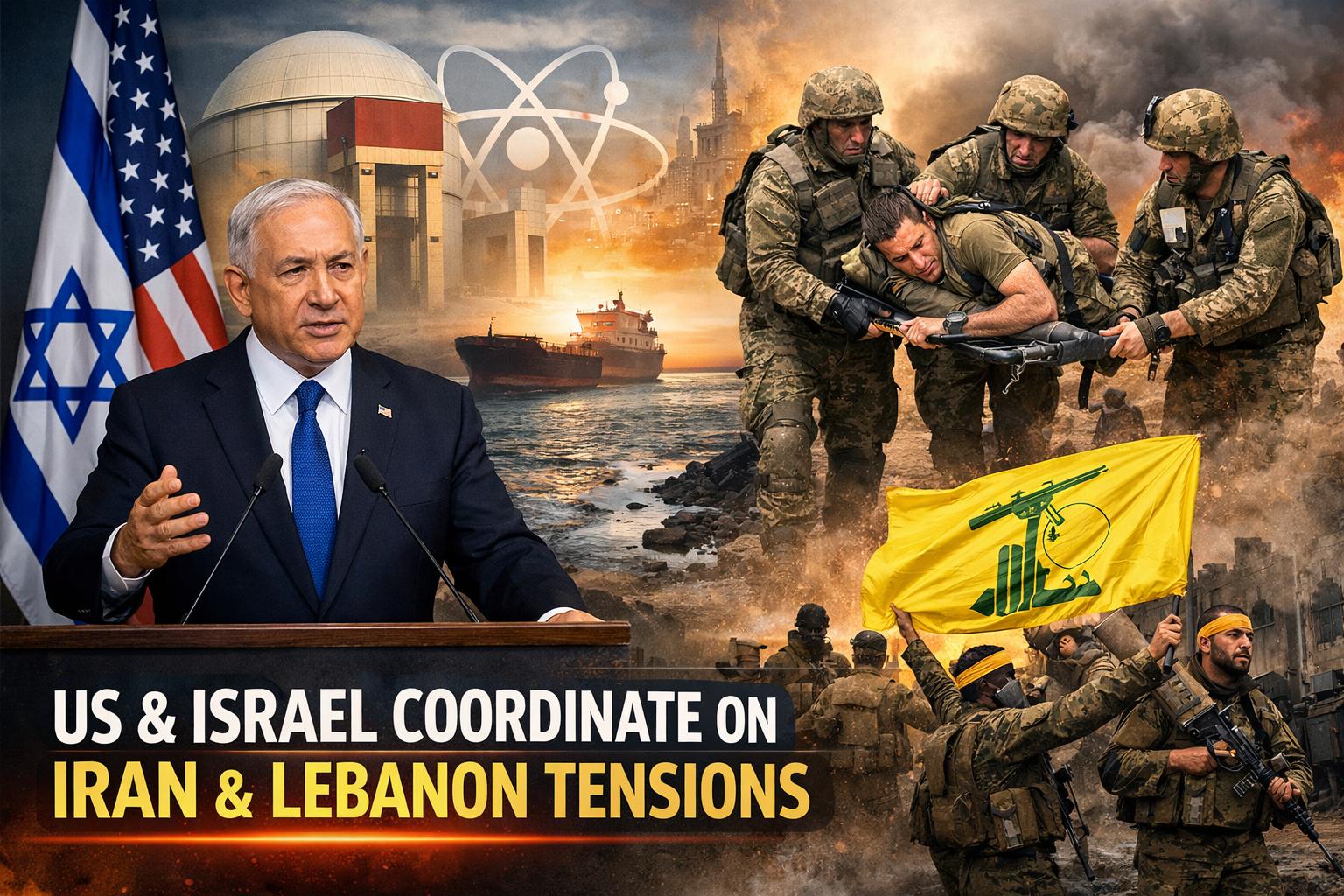
US and Israel share identical goals on Iran, Netanyahu says
Israeli Prime Minister Benjamin Netanyahu said on Wednesday, April 15, 2026, that Israel and the United States are closely aligned in their approach toward Iran, emphasizing shared strategic objectives and ongoing coordination. In a televised address, Netanyahu stated that U.S. officials continue to keep Israel informed about their diplomatic engagements with Tehran, underscoring the depth of cooperation between the two allies. “Our American friends keep us constantly updated on the
US and Israel share identical goals on Iran, Netanyahu says
Israeli Prime Minister Benjamin Netanyahu said on Wednesday, April 15, 2026, that Israel and the United States are closely aligned in their approach toward Iran, emphasizing shared strategic objectives and ongoing coordination. In a televised address, Netanyahu stated that U.S. officials continue to keep Israel informed about their diplomatic engagements with Tehran, underscoring the depth of cooperation between the two allies. “Our American friends keep us constantly updated on the
India maintains oil imports strategy as West Asia conflict disrupts global shipping routes
India reaffirmed its strategy of sourcing oil from a wide range of suppliers to safeguard its energy needs amid ongoing geopolitical tensions affecting global trade routes. Speaking at an inter-ministerial briefing in New Delhi on Wednesday, April 15, 2026, at 6:29 PM IST, Ministry of External Affairs spokesperson Randhir Jaiswal emphasized that the country’s approach is guided by the need to ensure energy security for its population of 1.4 billion while adapting to evolving internati
India maintains oil imports strategy as West Asia conflict disrupts global shipping routes
India reaffirmed its strategy of sourcing oil from a wide range of suppliers to safeguard its energy needs amid ongoing geopolitical tensions affecting global trade routes. Speaking at an inter-ministerial briefing in New Delhi on Wednesday, April 15, 2026, at 6:29 PM IST, Ministry of External Affairs spokesperson Randhir Jaiswal emphasized that the country’s approach is guided by the need to ensure energy security for its population of 1.4 billion while adapting to evolving internati
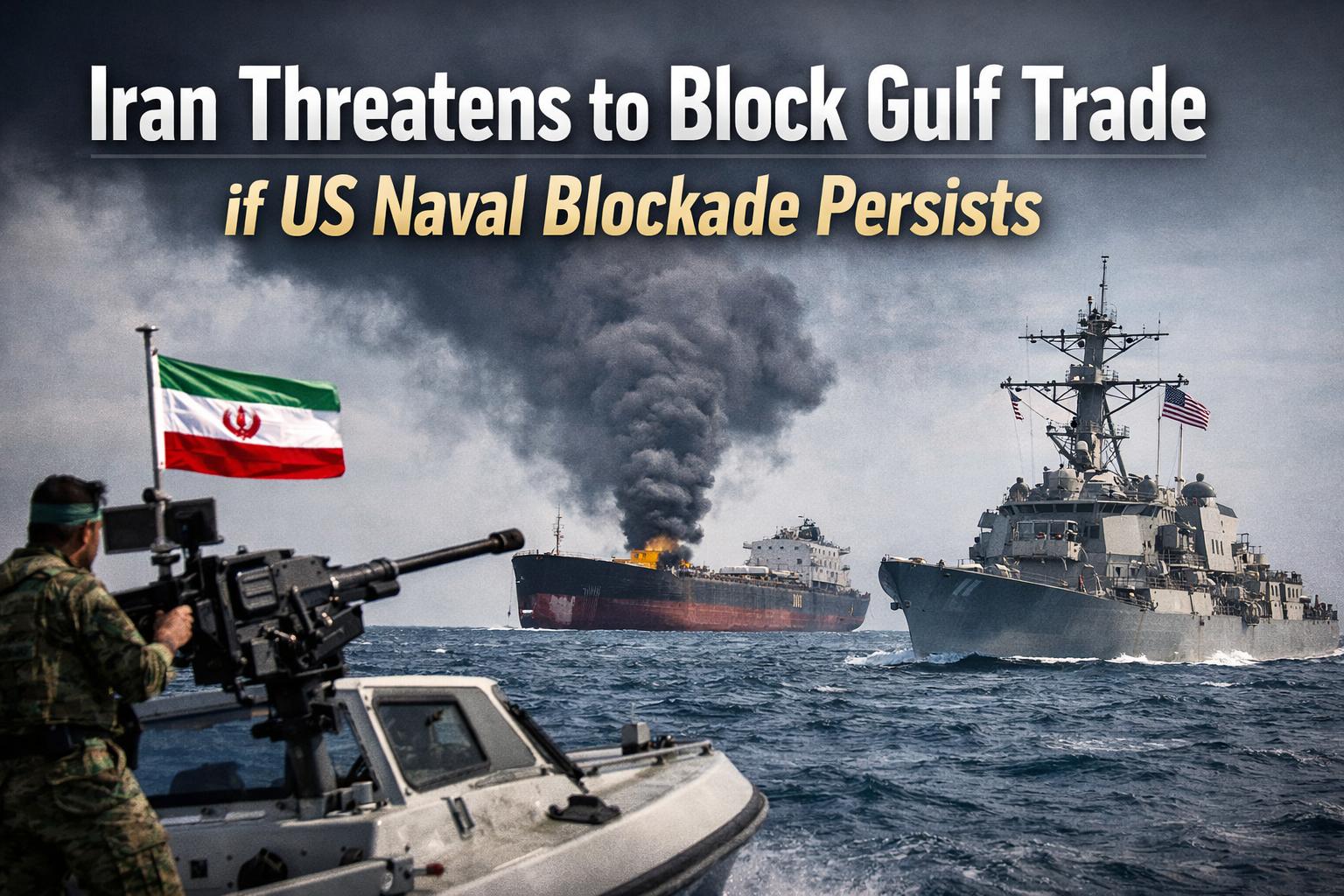
Iran threatens to halt Gulf trade if US naval blockade continues
Iran has issued a warning that it may escalate tensions with the United States by blocking major international shipping routes if a US naval blockade targeting its vessels continues. The statement, broadcast on state television, came from Ali Abdollahi, commander of the Khatam al-Anbiya Central Headquarters,
Iran threatens to halt Gulf trade if US naval blockade continues
Iran has issued a warning that it may escalate tensions with the United States by blocking major international shipping routes if a US naval blockade targeting its vessels continues. The statement, broadcast on state television, came from Ali Abdollahi, commander of the Khatam al-Anbiya Central Headquarters,
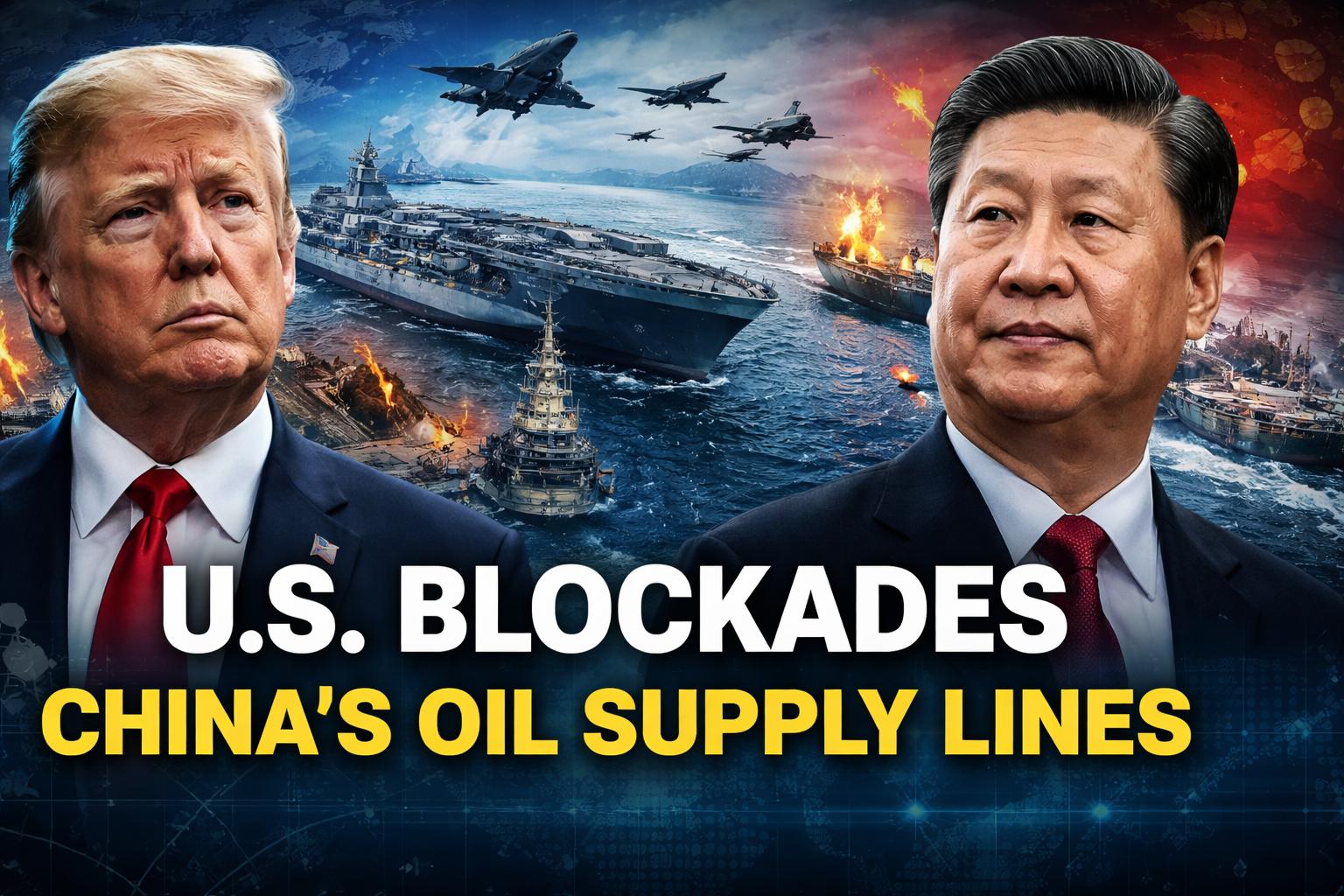
Venezuela, Hormuz, Malacca: The US-China energy conflict intensifies in 2026
The geopolitical struggle for control over global oil supply routes escalated in early 2026, as the United States moved to strategically target key energy chokepoints in an attempt to disrupt China’s oil flow. With major oil reserves located in Venezuela, the strategic Strait of Hormuz, and the Malacca Strait, the US appears to be building a complex energy blockade aimed at China, using military force and economic pressure to shift the balance of power. In January 2026, the US took a bold step by moving its military presence to Venezuela, home to the world’s largest proven oil reserves. The operation involved an elite force that captured former Venezuelan President Nicolas Maduro, potentially altering the country’s political landscape and controlling access to its vast oil reserves. With an estimated 303 billion barrels of oil at stake, Venezuela became the first of many critical points in this evolving global energy chess game. The next move came in February 2026, when the US extended its reach into the Strait of Hormuz. This chokepoint, through which 20 to 25 percent of the world’s seaborne crude oil passes, became a target as the US launched air strikes on Iranian military and energy infrastructure. The subsequent blockade of Hormuz raised the stakes even higher, as China, a major oil importer, relies heavily on this route for its energy needs. Despite Trump’s assertion that the US no longer needed Hormuz oil due to domestic production, the global impact was undeniable, with oil prices rising sharply. By March 2026, the US had expanded its strategy to the Malacca Strait, one of the world’s busiest shipping lanes and a vital route for Chinese oil imports. Through a new deal with Indonesia, the US gained increased access to the region’s airspace, strengthening its surveillance and control capabilities. This move escalated the geopolitical pressure on China, which had already been preparing for such scenarios by building overland pipeline infrastructure to mitigate risks associated with maritime routes. China’s response to these strategic moves has been multifaceted. In Venezuela, it quickly adapted to the US military action, tapping into shadow fleets and using alternative routes to maintain its crude supply. Furthermore, China’s vast reserves, along with its investments in Russian and Iranian oil, have provided it with a buffer to withstand the pressure from the US blockade. With over 1.3 billion barrels in emergency reserves, China has the capacity to play the waiting game, absorbing the initial shocks to its oil supply. As the US tightens its grip on these strategic chokepoints, the geopolitical chessboard continues to shift. China’s ability to reroute oil through its vast pipeline network and shadow tanker fleet provides a buffer, but it remains to be seen which side will blink first in this high-stakes game. While the US hopes to achieve its goals through escalating energy denial, China’s resilience and strategic planning indicate that this global oil conflict is far from over. The Malacca Strait, a vital point in this strategic maneuvering, serves as the final battleground. With its ability to influence both regional and global shipping routes, the US’s efforts to control this chokepoint may prove pivotal. However, China’s efforts to secure alternative oil sources and protect its interests in the region suggest that the true outcome of this energy conflict will depend on the endurance and tactical flexibility of both superpowers.
Venezuela, Hormuz, Malacca: The US-China energy conflict intensifies in 2026
The geopolitical struggle for control over global oil supply routes escalated in early 2026, as the United States moved to strategically target key energy chokepoints in an attempt to disrupt China’s oil flow. With major oil reserves located in Venezuela, the strategic Strait of Hormuz, and the Malacca Strait, the US appears to be building a complex energy blockade aimed at China, using military force and economic pressure to shift the balance of power. In January 2026, the US took a bold step by moving its military presence to Venezuela, home to the world’s largest proven oil reserves. The operation involved an elite force that captured former Venezuelan President Nicolas Maduro, potentially altering the country’s political landscape and controlling access to its vast oil reserves. With an estimated 303 billion barrels of oil at stake, Venezuela became the first of many critical points in this evolving global energy chess game. The next move came in February 2026, when the US extended its reach into the Strait of Hormuz. This chokepoint, through which 20 to 25 percent of the world’s seaborne crude oil passes, became a target as the US launched air strikes on Iranian military and energy infrastructure. The subsequent blockade of Hormuz raised the stakes even higher, as China, a major oil importer, relies heavily on this route for its energy needs. Despite Trump’s assertion that the US no longer needed Hormuz oil due to domestic production, the global impact was undeniable, with oil prices rising sharply. By March 2026, the US had expanded its strategy to the Malacca Strait, one of the world’s busiest shipping lanes and a vital route for Chinese oil imports. Through a new deal with Indonesia, the US gained increased access to the region’s airspace, strengthening its surveillance and control capabilities. This move escalated the geopolitical pressure on China, which had already been preparing for such scenarios by building overland pipeline infrastructure to mitigate risks associated with maritime routes. China’s response to these strategic moves has been multifaceted. In Venezuela, it quickly adapted to the US military action, tapping into shadow fleets and using alternative routes to maintain its crude supply. Furthermore, China’s vast reserves, along with its investments in Russian and Iranian oil, have provided it with a buffer to withstand the pressure from the US blockade. With over 1.3 billion barrels in emergency reserves, China has the capacity to play the waiting game, absorbing the initial shocks to its oil supply. As the US tightens its grip on these strategic chokepoints, the geopolitical chessboard continues to shift. China’s ability to reroute oil through its vast pipeline network and shadow tanker fleet provides a buffer, but it remains to be seen which side will blink first in this high-stakes game. While the US hopes to achieve its goals through escalating energy denial, China’s resilience and strategic planning indicate that this global oil conflict is far from over. The Malacca Strait, a vital point in this strategic maneuvering, serves as the final battleground. With its ability to influence both regional and global shipping routes, the US’s efforts to control this chokepoint may prove pivotal. However, China’s efforts to secure alternative oil sources and protect its interests in the region suggest that the true outcome of this energy conflict will depend on the endurance and tactical flexibility of both superpowers.
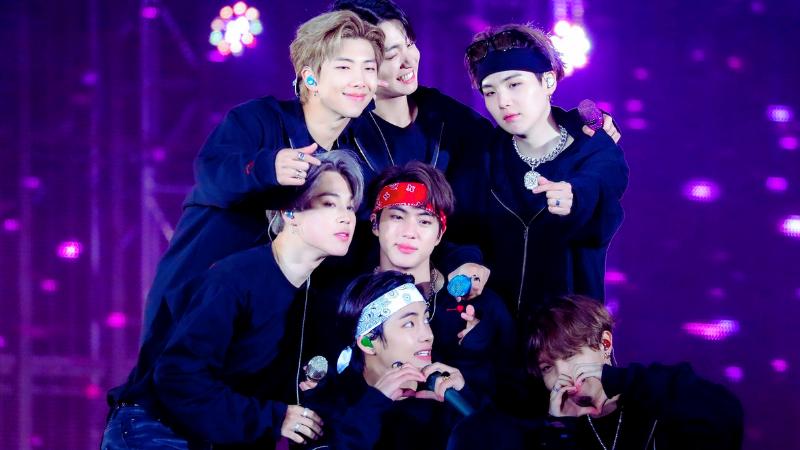
BTS Hooligan Crosses 100 Million Streams, Arirang Tour Earns ₩27.5 Billion
BTS continues to dominate the global music scene with their latest album, Arirang, setting new benchmarks across streaming platforms. Their track Hooligan has officially surpassed 100 million streams on Spotify, making BTS one of

BTS Hooligan Crosses 100 Million Streams, Arirang Tour Earns ₩27.5 Billion
BTS continues to dominate the global music scene with their latest album, Arirang, setting new benchmarks across streaming platforms. Their track Hooligan has officially surpassed 100 million streams on Spotify, making BTS one of

Trump signals possible resumption of US-Iran talks in Pakistan within days
U.S. President Donald Trump indicated that negotiations between the United States and Iran could resume within the next two days following a recent breakdown in talks held in Pakistan. Speaking in an interview publi
Trump signals possible resumption of US-Iran talks in Pakistan within days
U.S. President Donald Trump indicated that negotiations between the United States and Iran could resume within the next two days following a recent breakdown in talks held in Pakistan. Speaking in an interview publi