








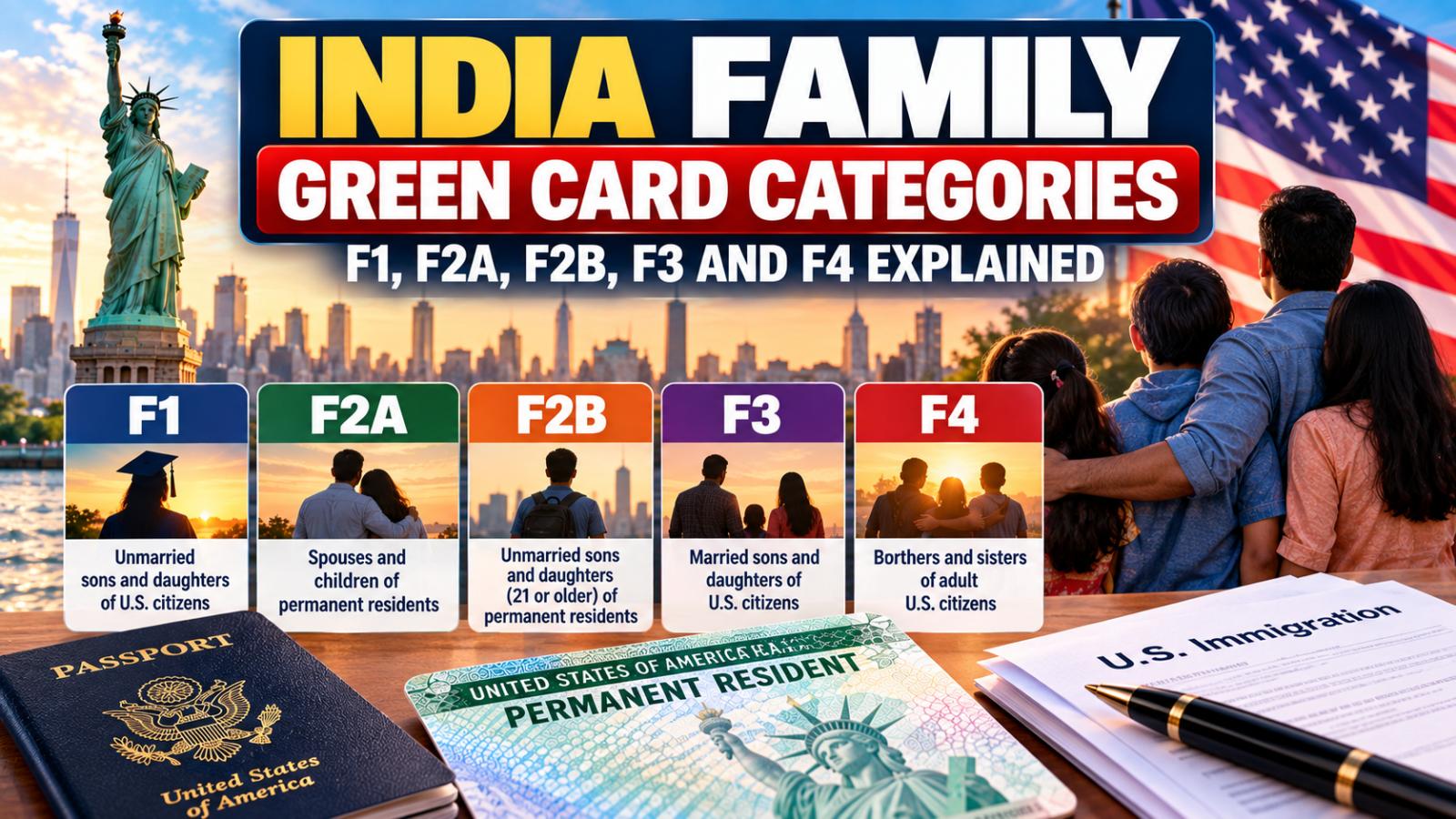
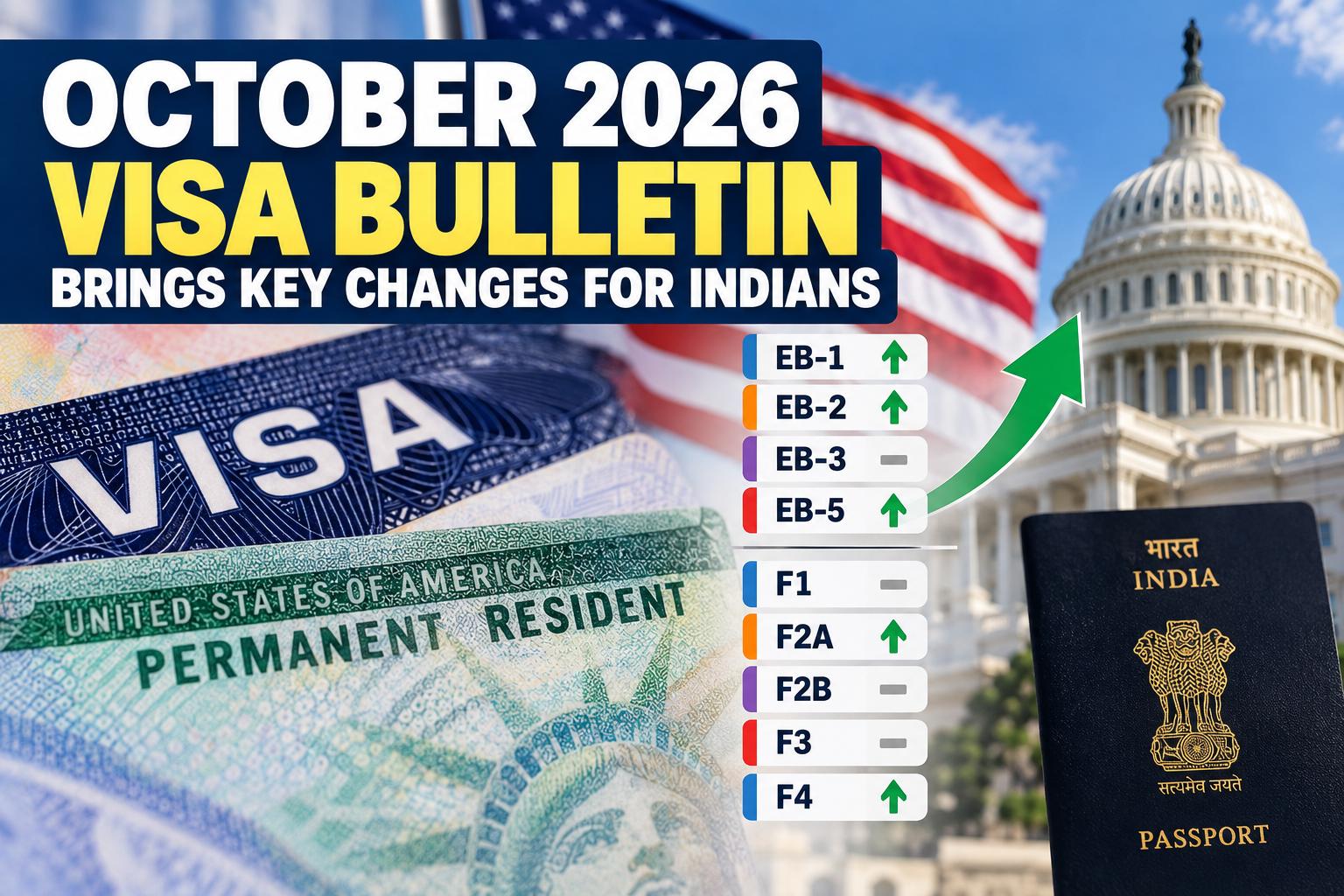















India family green card applicants may fall under F1, F2A, F2B, F3 or F4 depending on their relationship to a U.S. citizen or permanent resident. Each category has separate annual limits, priority dates and Visa Bulletin cutoffs. The U.S. family-sponsored green card system divides certain relatives into preference categories known as F1, F2A, F2B, F3 and F4. For applicants chargeable to India, these categories can have very different Visa Bulletin c
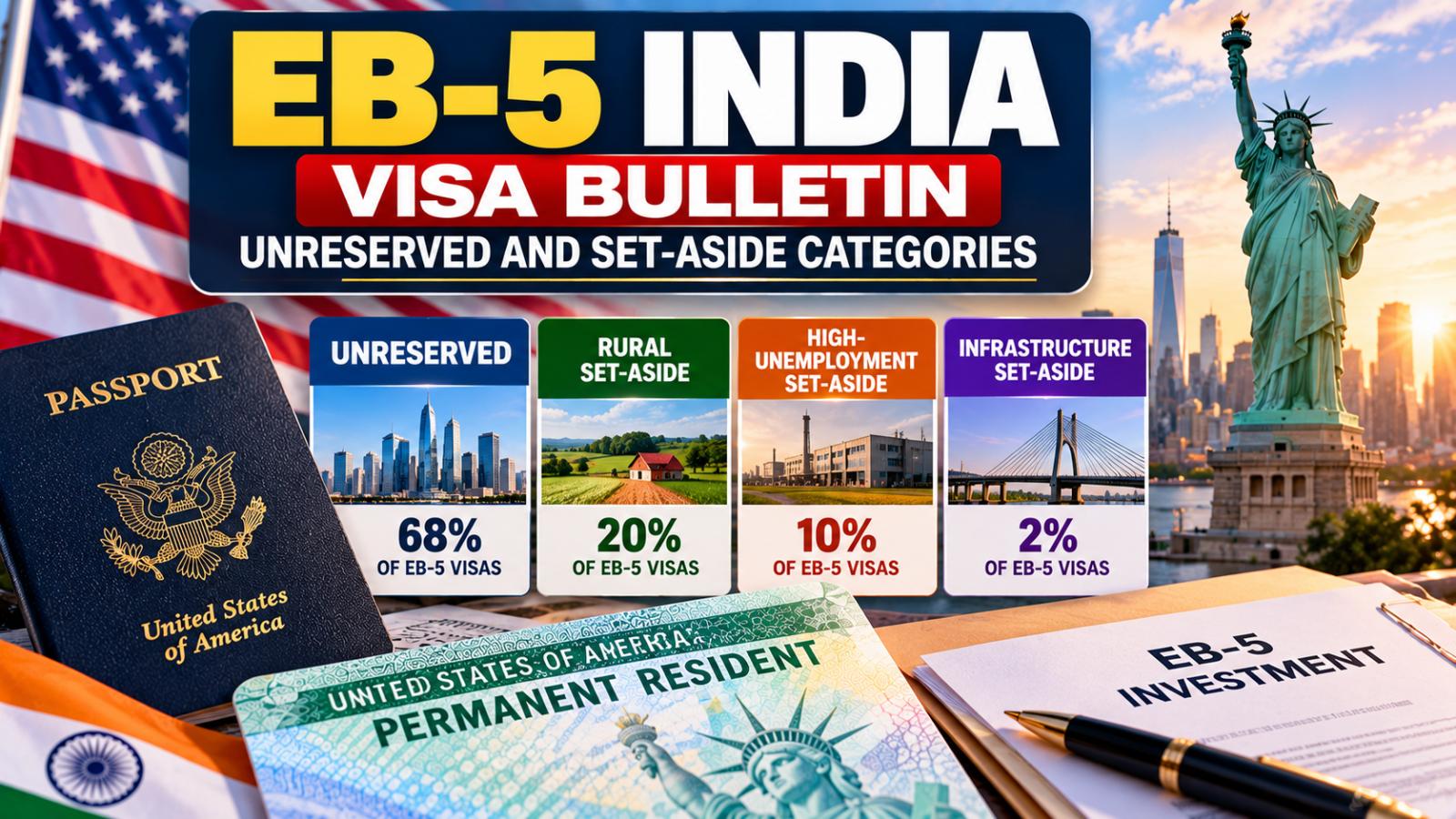
The EB-5 India Visa Bulletin separates unreserved investor visas from rural, high-unemployment and infrastructure set-asides. Indian applicants can face a cut-off date in the unreserved category while reserved categories remain current. The EB-5 India Visa Bulletin can look different from other employment-based green card categories because EB-5 visas are divided between unreserved visas and several set-aside categories
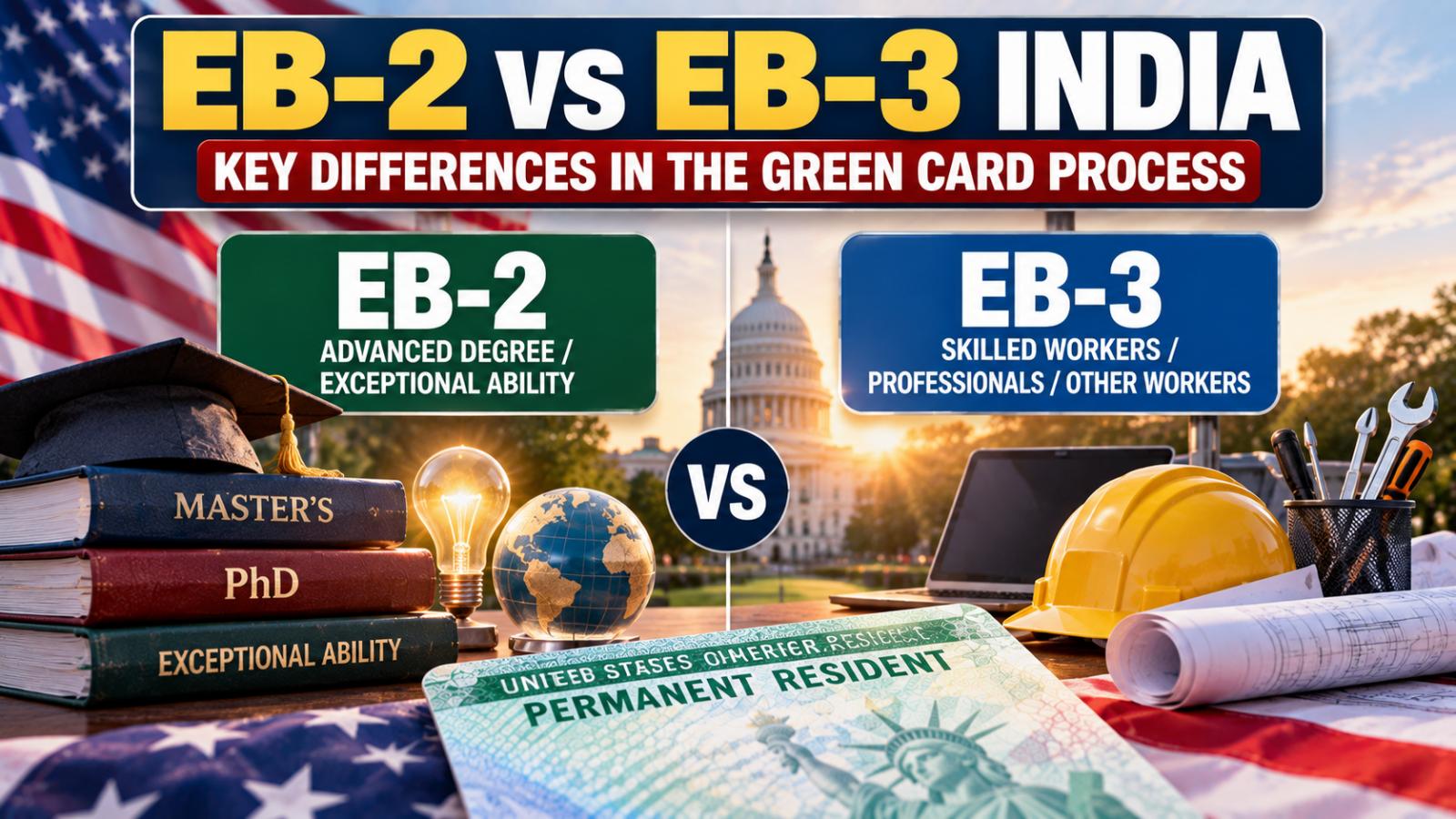
EB-2 and EB-3 are major employment-based green card categories used by Indian professionals. Eligibility standards differ, while priority dates, labor certification and monthly Visa Bulletin cutoffs determine when applicants may move toward permanent residence. EB-2 vs EB-3 India is an important comparison for employment-based green card applicants because the two categories have different eligibility standards and can have different Visa Bulletin c
The EB-2 India green card backlog affects advanced-degree professionals and people of exceptional ability seeking permanent residence in the United States. Visa limits, high demand and priority-date cutoffs determine when applicants may move toward final approval. The EB-2 India green card backlog reflects the large number of applicants competing for a limited annual supply of employment-based immigrant visas. The EB-2 category is availabl
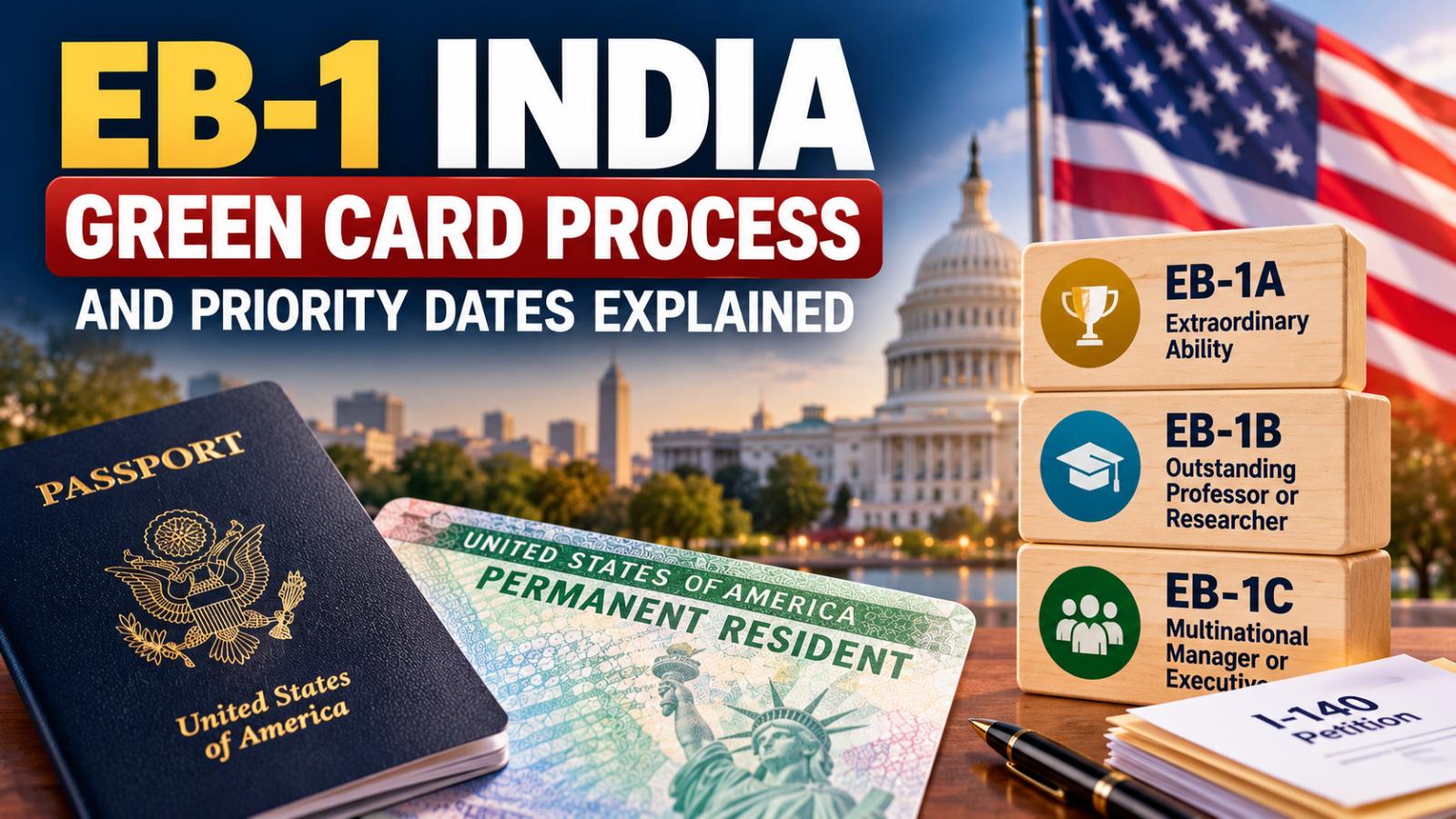
The EB-1 India green card category covers extraordinary ability workers, outstanding professors or researchers and certain multinational executives or managers. Indian applicants must also track their priority date and the monthly Visa Bulletin before final green card approval. The EB-1 India green card route is the first preference category for certain highly qualified employment-based immigrants. USCIS divides EB-1 into three groups: people with e
The US Visa Bulletin contains two important charts: Final Action Dates and Dates for Filing. Understanding how each works, how a green card priority date is compared with them and which chart USCIS permits applicants to use can help prevent filing mistakes. The U.S. Department of State publishes two key charts in its monthly Visa Bulletin: Final Action Dates and Dates for Filing. For applicants waiting in numerically limited employm
The October 2026 Visa Bulletin brings major changes for India as FY 2027 begins, advancing EB-1 and restoring Final Action Dates for EB-2 and EB-5 unreserved while keeping EB-3 unchanged and moving some family-sponsored dates forward. The U.S. Department of State’s October 2026 Visa Bulletin opens fiscal year 2027 with renewed visa availability and several important changes for applicants chargeable to India. EB-1 advances, while EB-2 and EB-5 unr
Infosys has disclosed that the U.S. Department of Justice (DOJ) is investigating how the company classified certain employees holding H-1B visas in immigration documents submitted to U.S. government authorities. The investigation was disclosed by Infosys in its financial filings, with the company stating that it is in discussions with the DOJ and is also conducting its own internal inquiry. Infosys has said that it is currently unable to predict the outcome of the investigat
Hyderabad has emerged as the Indian US visa post with the longest current wait for B1/B2 visitor visa appointments. The latest US Department of State data shows a next available appointment wait of around 12 months, with an average wait of 11.5 months. The article explains the differences across Indian visa posts, recent changes to interview-waiver rules, and why Hyderabad’s longer wait cannot
The Air India Express student discount offer gives eligible students 10% off domestic fares, while the Air India Express student baggage allowance rises to 25 kg and direct bookings get a Rs 99 date-change option. Air India Express student fare discount adds more savings Air India Express has introduced a special st
US Secretary of State Marco Rubio has announced new US birth tourism visa restrictions targeting foreign nationals who knowingly participate in or facilitate commercial schemes designed to secure US citizenship for children born in the country. The policy was unveiled on September 23, hours before Chinese President Xi Jinping arrived in Washington for his state visit. Rubio said the restrictions can apply not only to travelers but also to operators of birth
H-1B workers can pursue permanent residence without giving up H-1B status. The common employment-based Green Card path involves PERM labor certification, Form I-140, waiting for the priority date to become eligible and filing Form I-485 for permanent residence. Can an H-1B worker apply for a Green Card? Yes. H-1B permits dual intent, meaning a worker can pursue lawful permanent
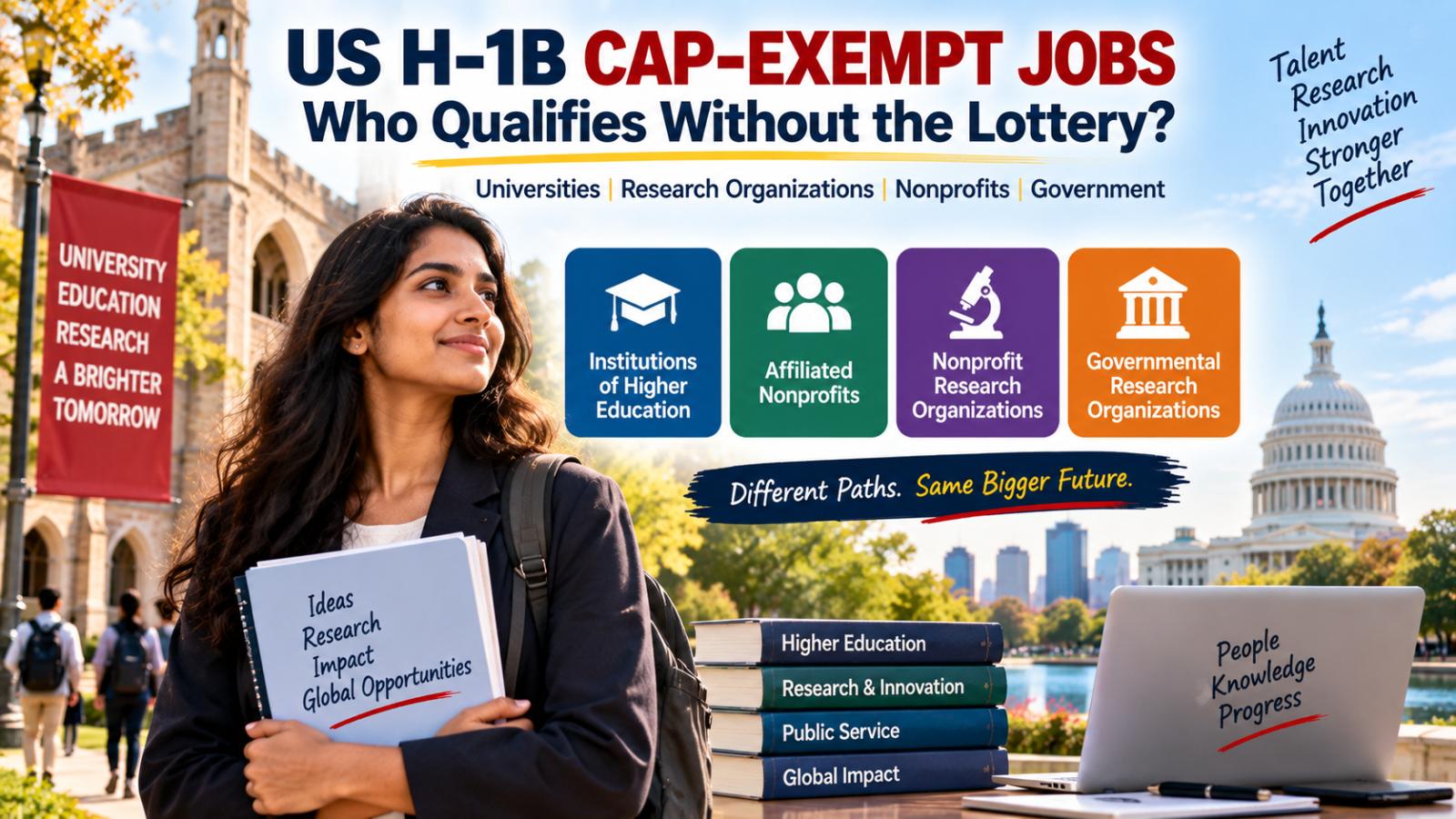
Cap-exempt H-1B jobs can allow qualifying workers to avoid the annual H-1B lottery when employed by certain universities, affiliated nonprofits, nonprofit research organizations or governmental research organizations. This guide explains eligibility and employer changes. What does cap-exempt H-1B mean? Most new cap-subject H-1B cases fall under annual limits of 65,
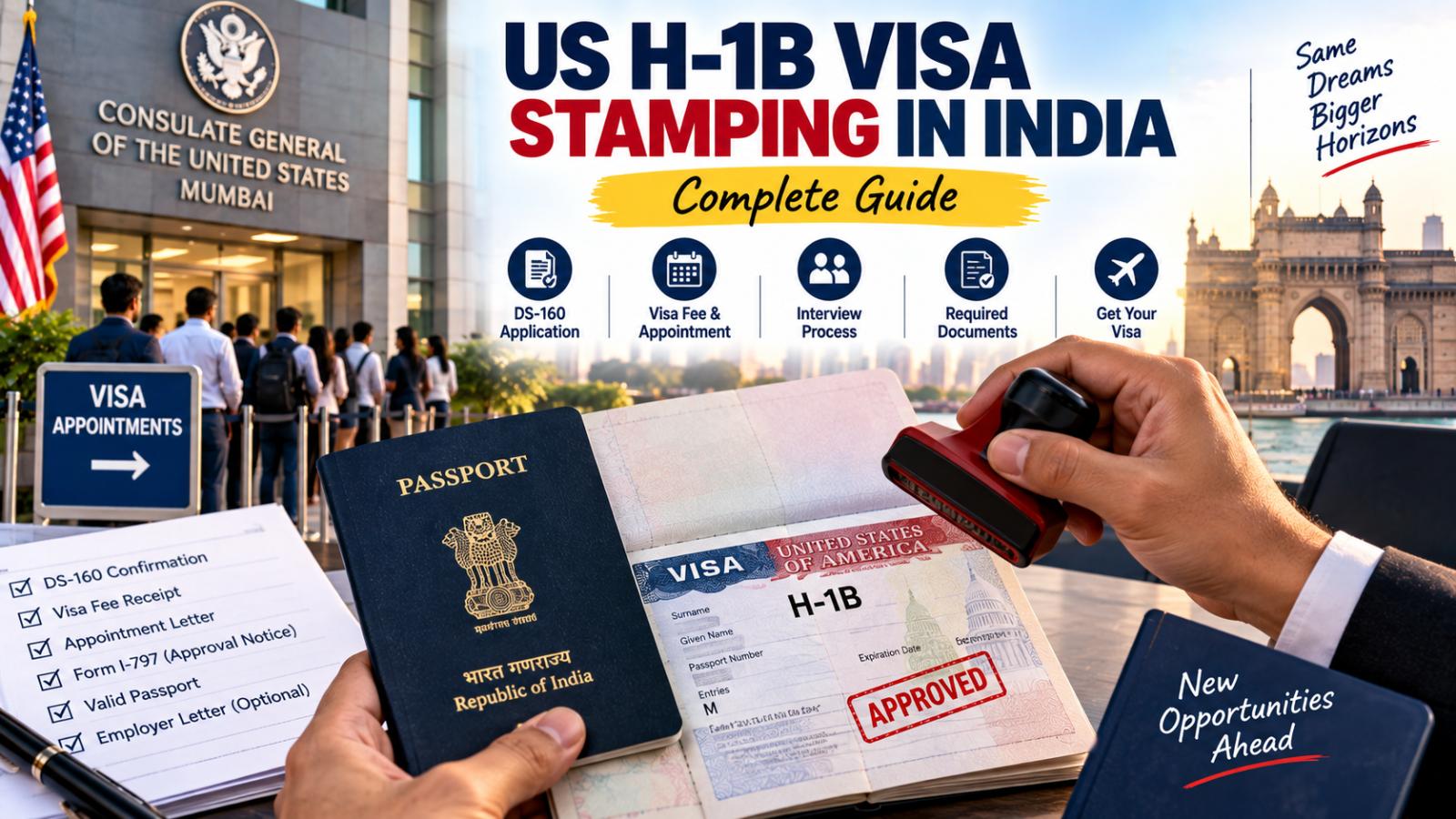
H-1B visa stamping in India requires a DS-160, visa application fee, appointment and supporting documents. Most H-1B applicants now generally require an in-person interview. This guide explains the process, documents, current interview rules and possible 221(g) processing. How H-1B visa stamping in India works H-1B workers who need a new visa stamp generally begin by completing Form DS-
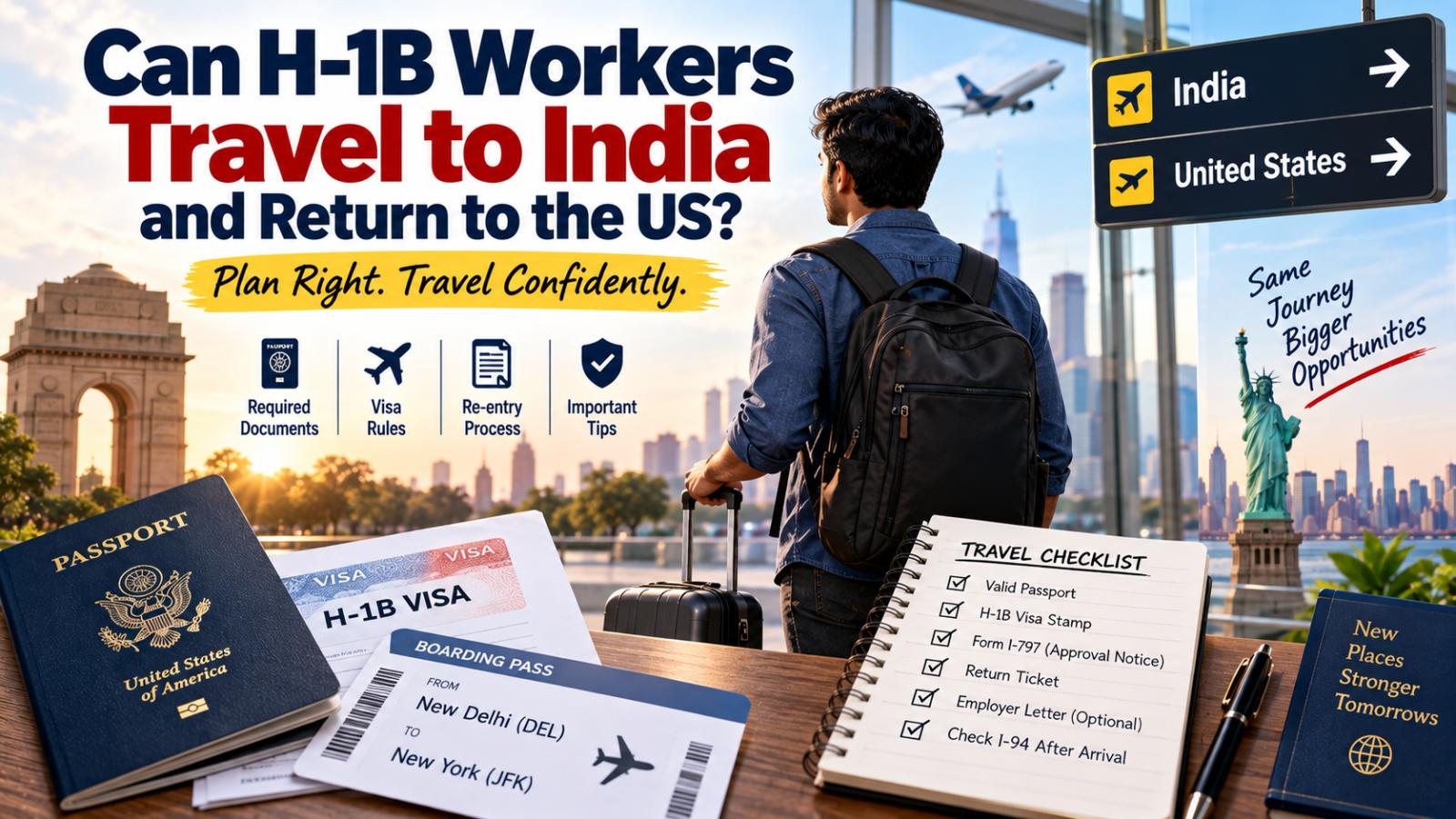
H-1B workers can travel to India, but returning to the US generally requires a valid passport, H-1B visa and approved petition. This guide explains re-entry documents, expired visa situations, I-94 checks and what workers should verify before traveling. H-1B travel to India is generally permitted H-1B workers can generally leave the United States for a trip to India and seek re-entry while thei
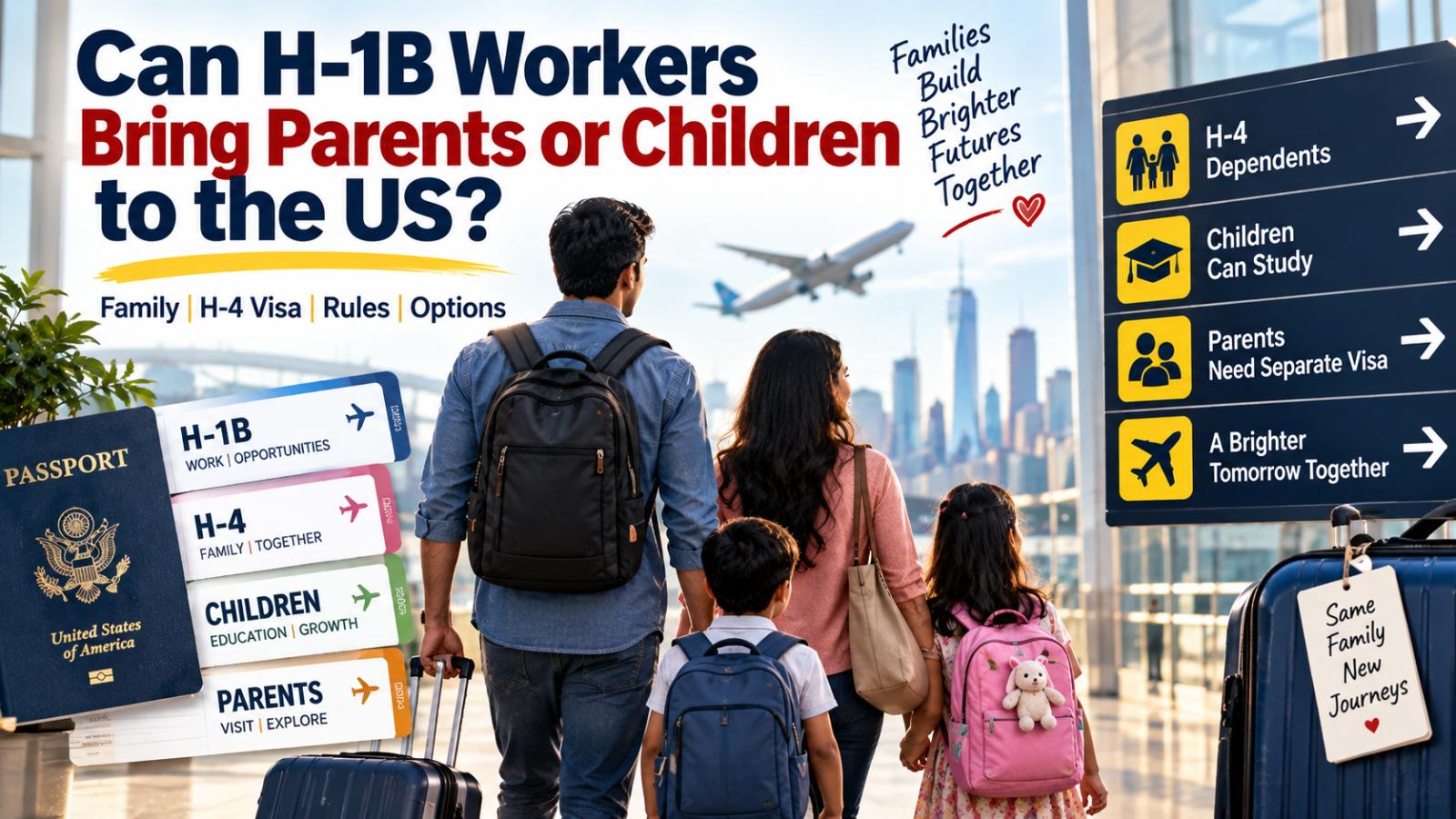
H-1B workers can bring a spouse and unmarried children under 21 to the US in H-4 status, but parents do not qualify as H-4 dependents. This guide explains H-4 eligibility, children's schooling, the age-21 limit and the separate visa options parents must use. Which family members qualify for H-4 status? An H-1B worker's spouse and unmarried children under age 21 can generally accompany or
Certain spouses of H-1B workers can obtain H-4 work authorization in the US, but H-4 status alone does not permit employment. Eligibility generally depends on the H-1B spouse having an approved I-140 or qualifying for an H-1B extension under AC21. Who qualifies for H-4 work authorization? An H-4 spouse is not automatically authorized to work simply because their husband or wife
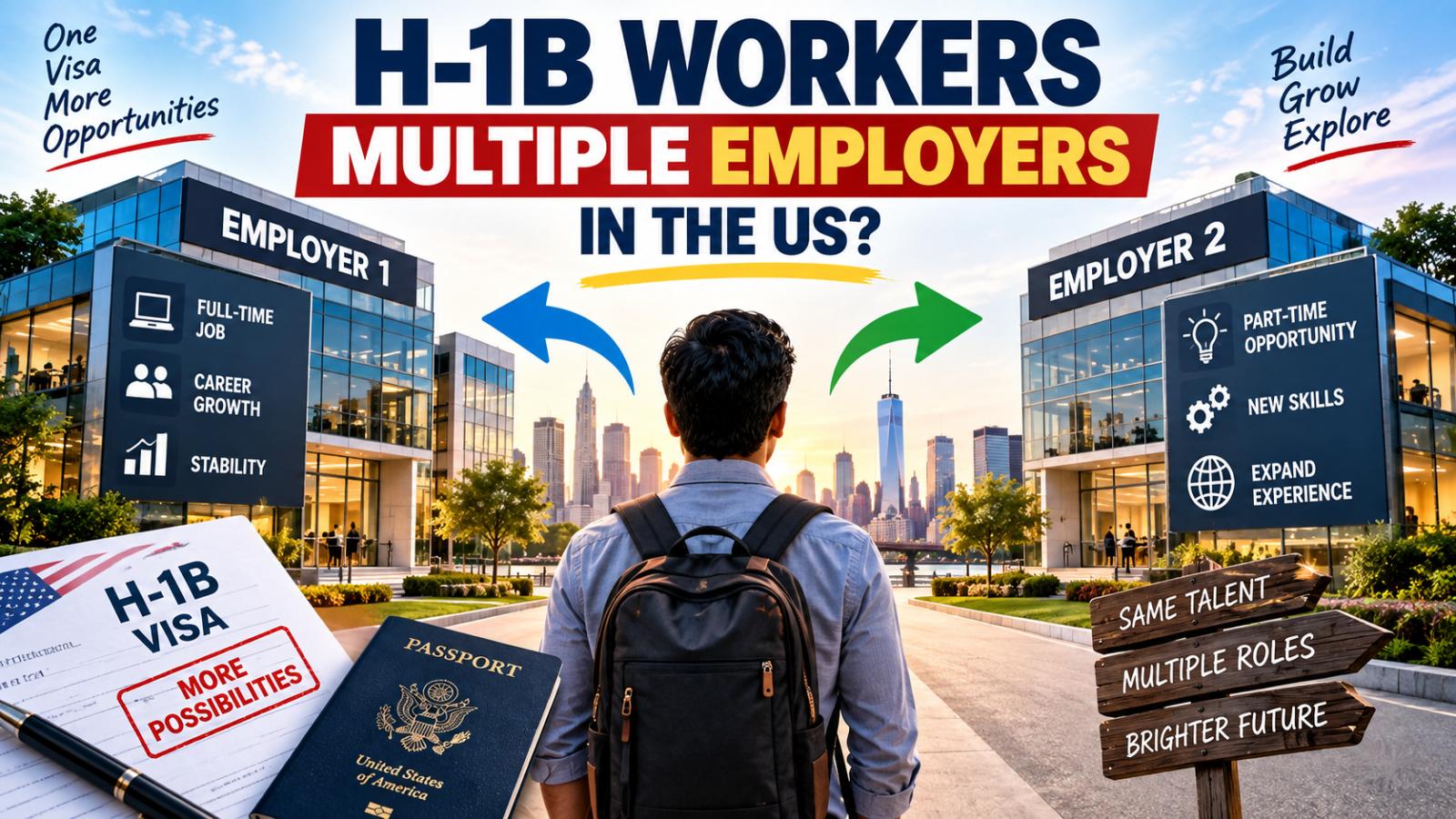
H-1B workers can work for more than one US employer, but they cannot simply take an unrestricted second job. Each employer generally must file its own H-1B petition and Labor Condition Application. This guide explains concurrent employment and job changes. How concurrent H-1B employment works An H-1B worker can legally work for more than one US emp
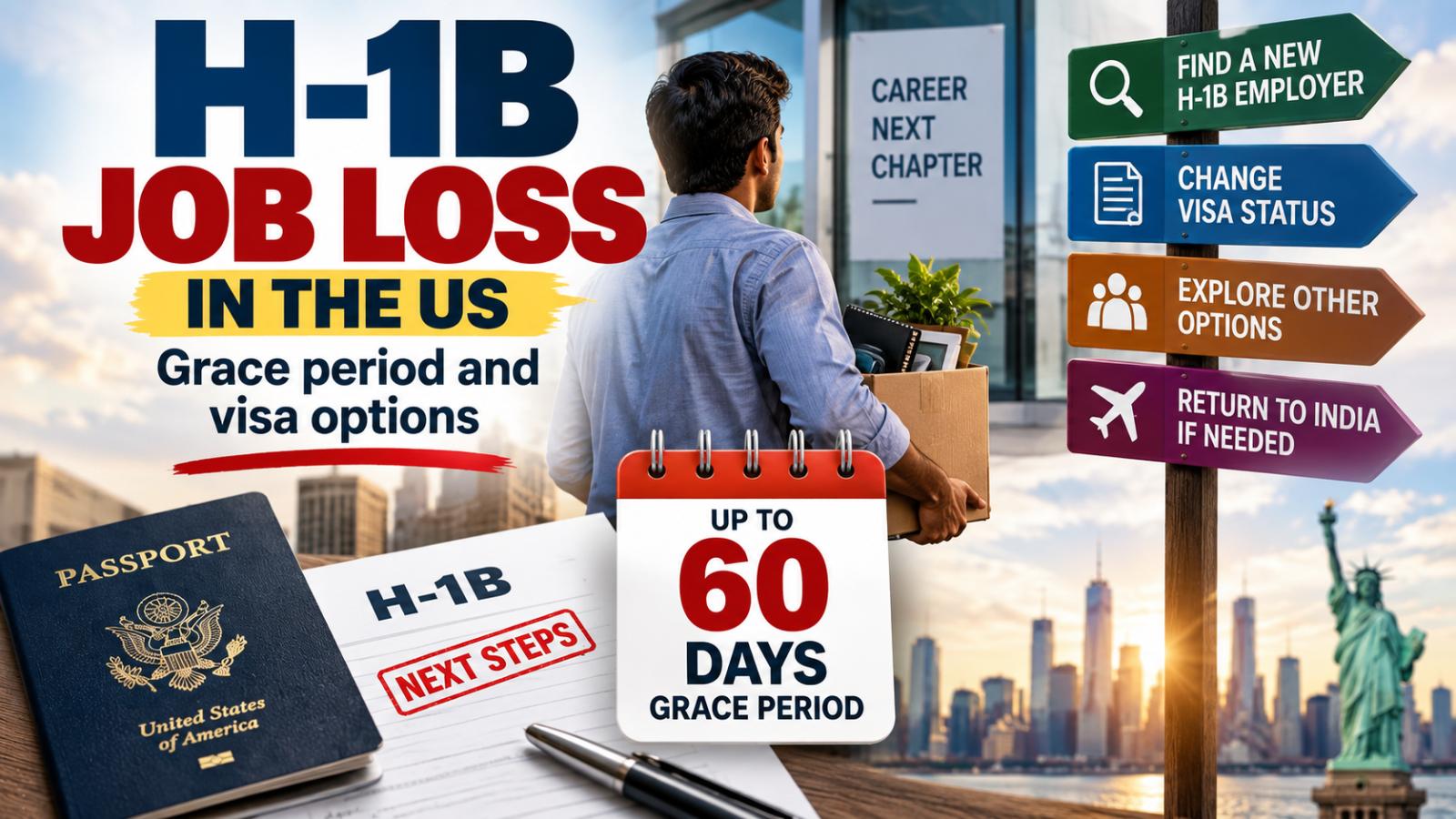
H-1B workers who lose a US job may qualify for an up-to-60-day grace period to take immigration action. This guide explains the current rule, changing employers, changing status, employer obligations and a new DHS proposal that could eliminate the grace period. How the H-1B grace period works When H-1B employment ends, either voluntarily or involuntarily, federal regulations currently allow an
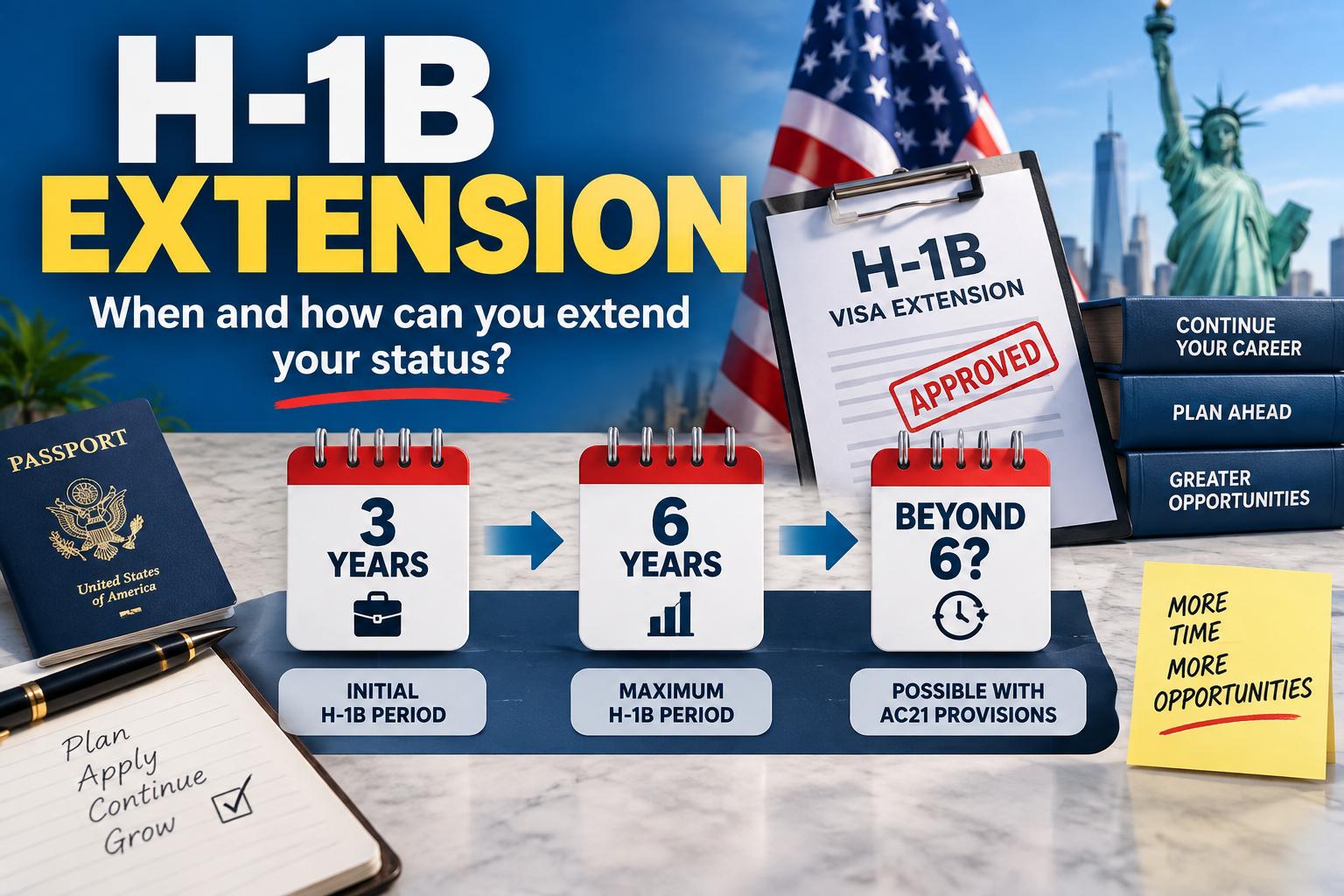
H-1B workers can generally receive extensions within a six-year maximum, while some qualify for additional time through AC21 or recaptured time abroad. This guide explains Form I-129 extensions, continued work while a case is pending and the major exceptions to the six-year limit. How the H-1B extension process works H-1B status is generally granted for periods of up to three years. An employer