




















Iran Continues US Talks Despite Military Pressure
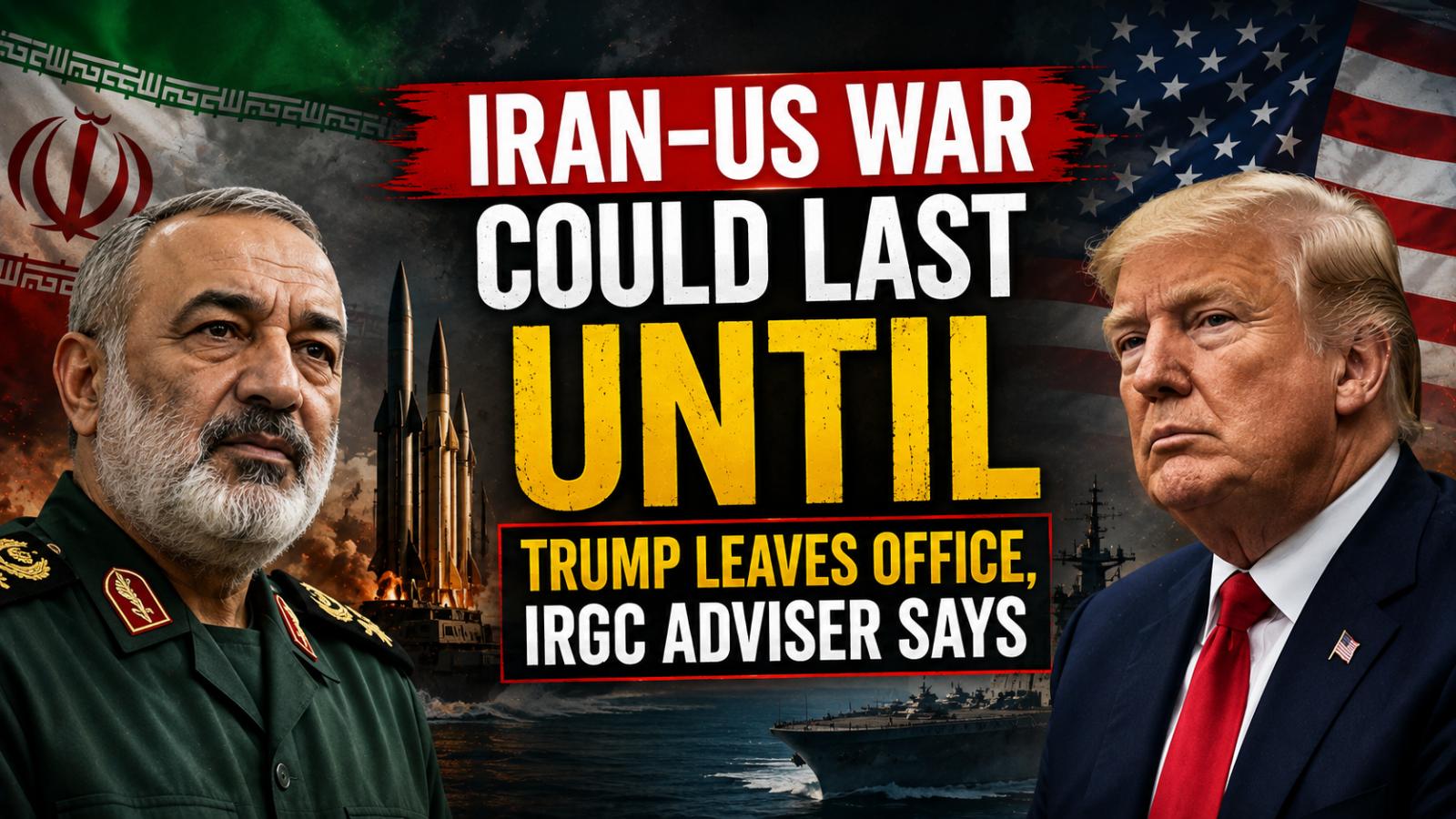
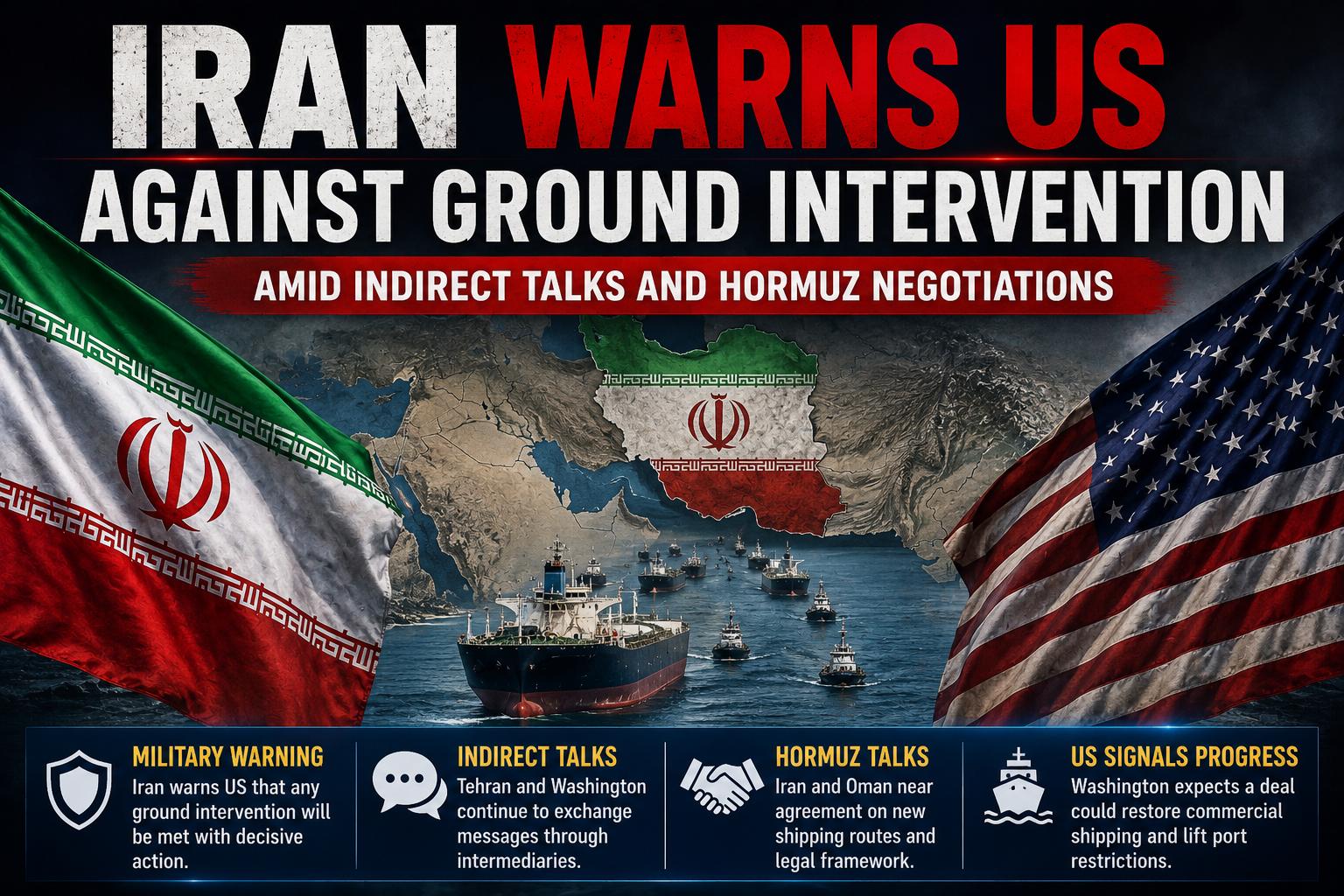
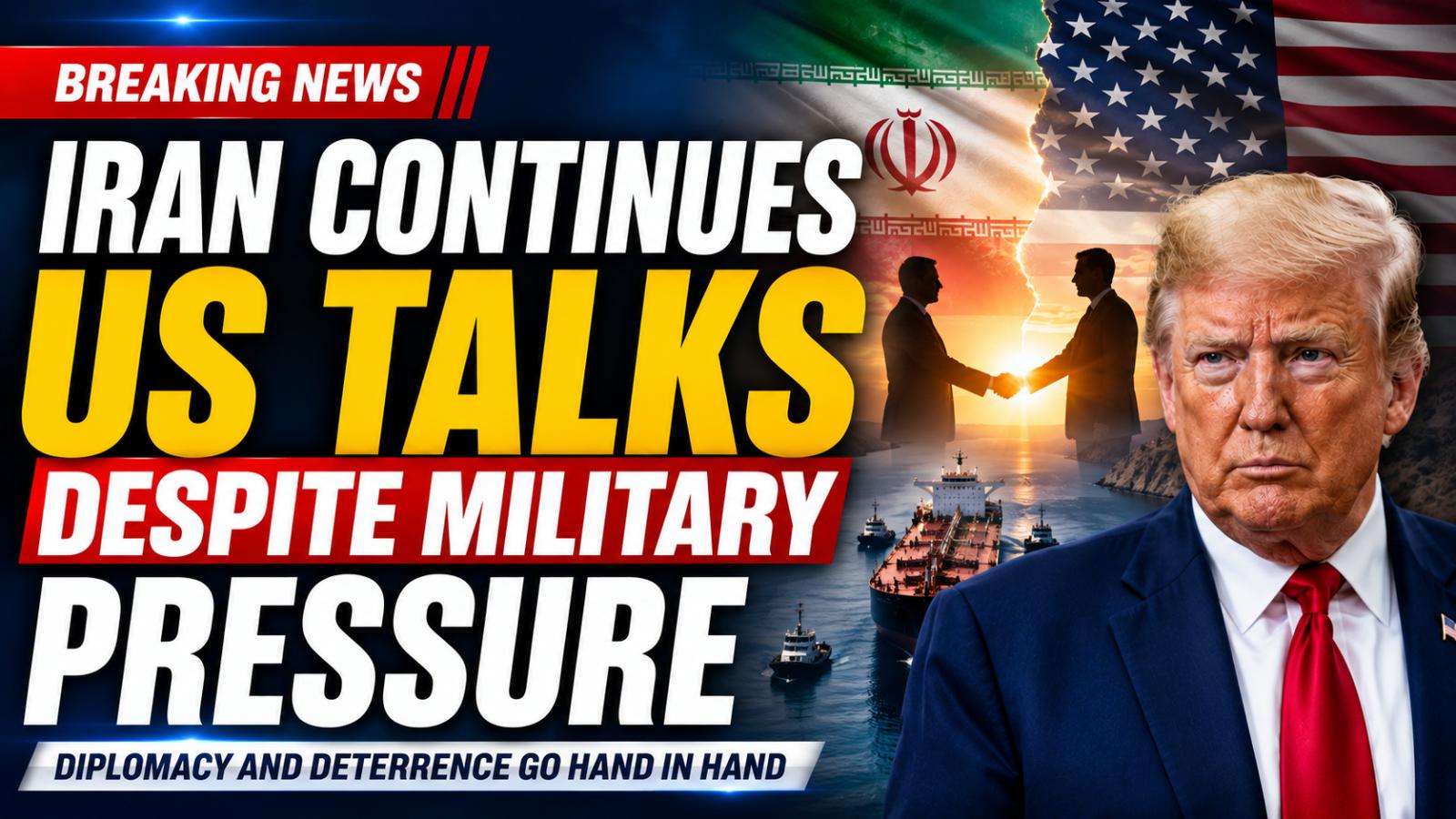
Iran continues US talks despite military pressure, according to the White House, which says Tehran remains interested in reaching an agreement with Washington. Officials also stressed that the Trump administration will continue protecting international shipping while pursuing diplomacy alongside military deterrence. Iran Continues US Talks Despite Military Pre
Iran Continues US Talks Despite Military Pressure
Iran continues US talks despite military pressure, according to the White House, which says Tehran remains interested in reaching an agreement with Washington. Officials also stressed that the Trump administration will continue protecting international shipping while pursuing diplomacy alongside military deterrence. Iran Continues US Talks Despite Military Pre
US Strikes Near Iran Hospital Force Patient Evacuation
Patients, including children receiving cancer treatment, were evacuated from a hospital in southwestern Iran on Thursday after missiles reportedly struck nearby. Iranian state media said the explosions near Shahid Baghaei Hospital in Ahvaz forced staff to move vulnerable patients as fresh US strikes intensified the conflict. Ahvaz Hospital Evacuation Iran’s Mehr news agency reported that missiles hit the area
US Strikes Near Iran Hospital Force Patient Evacuation
Patients, including children receiving cancer treatment, were evacuated from a hospital in southwestern Iran on Thursday after missiles reportedly struck nearby. Iranian state media said the explosions near Shahid Baghaei Hospital in Ahvaz forced staff to move vulnerable patients as fresh US strikes intensified the conflict. Ahvaz Hospital Evacuation Iran’s Mehr news agency reported that missiles hit the area
Iran US MoU at Risk as Tehran Warns Washington
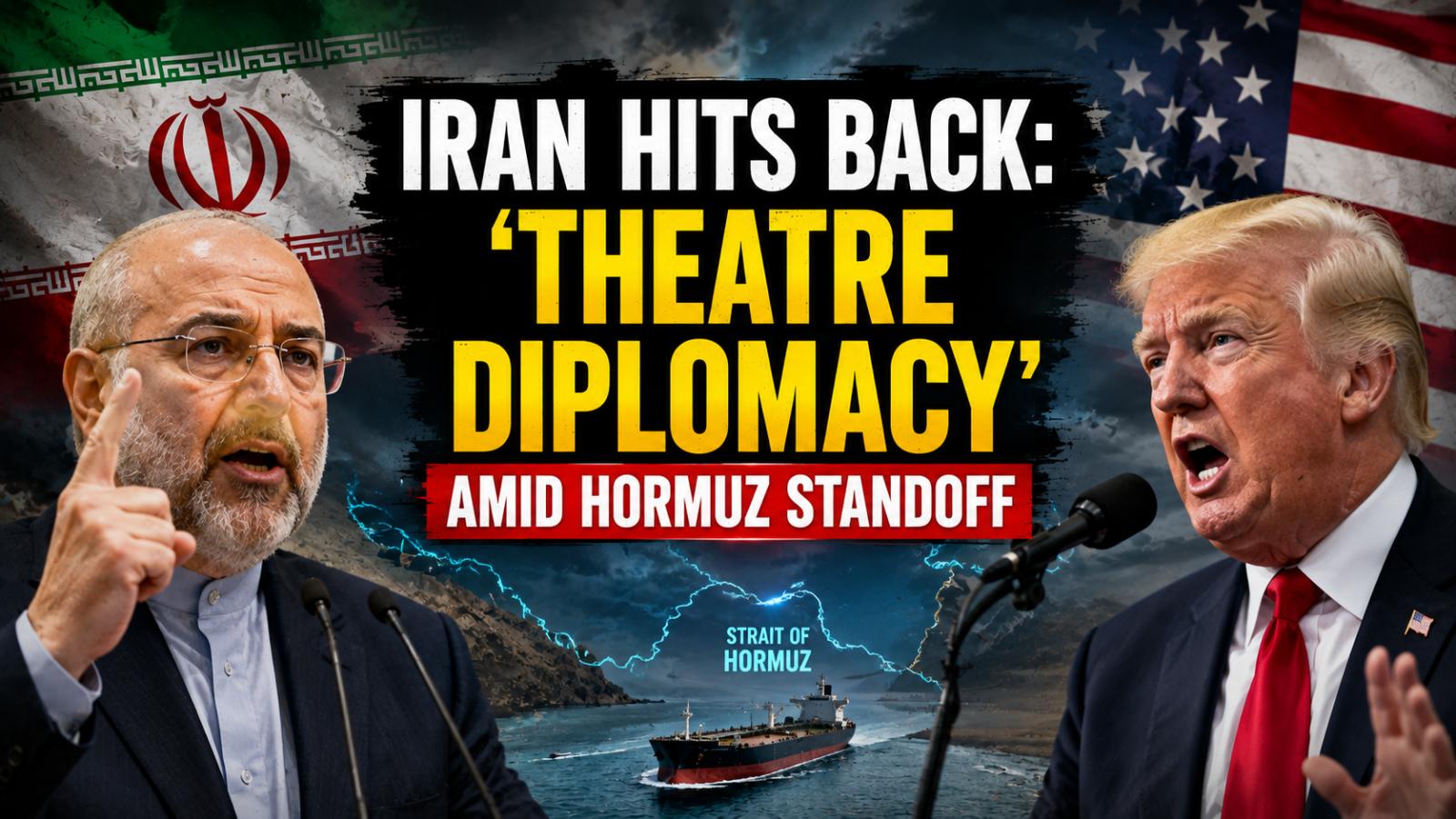
Iran has warned that continued US violations could release Tehran from its commitments under the Iran US MoU. The dispute involves the Islamabad MoU, Strait of Hormuz navigation, maritime security and wider tensions between Tehran and Washington. Iran warning targets alleged US violations Iran has warned that it may no longer consider itself bound by its memorandum of understanding with the United States if Was
Iran US MoU at Risk as Tehran Warns Washington
Iran has warned that continued US violations could release Tehran from its commitments under the Iran US MoU. The dispute involves the Islamabad MoU, Strait of Hormuz navigation, maritime security and wider tensions between Tehran and Washington. Iran warning targets alleged US violations Iran has warned that it may no longer consider itself bound by its memorandum of understanding with the United States if Was
Iran US Talks Denied as Qatar Steps Up Mediation
Iran has denied requesting negotiations with the United States, although officials confirmed that a Qatari mediator visited Mashhad to discuss regional tensions. The statement highlights Tehran’s cautious diplomatic stance and its continuing distrust of Washington. Iran US talks denied by Tehran Iran said it had not approached the United States seeking fresh negotiations, challenging reports that Tehran and W
Iran US Talks Denied as Qatar Steps Up Mediation
Iran has denied requesting negotiations with the United States, although officials confirmed that a Qatari mediator visited Mashhad to discuss regional tensions. The statement highlights Tehran’s cautious diplomatic stance and its continuing distrust of Washington. Iran US talks denied by Tehran Iran said it had not approached the United States seeking fresh negotiations, challenging reports that Tehran and W
US–Europe trade tensions rise as Trump targets digital services taxes
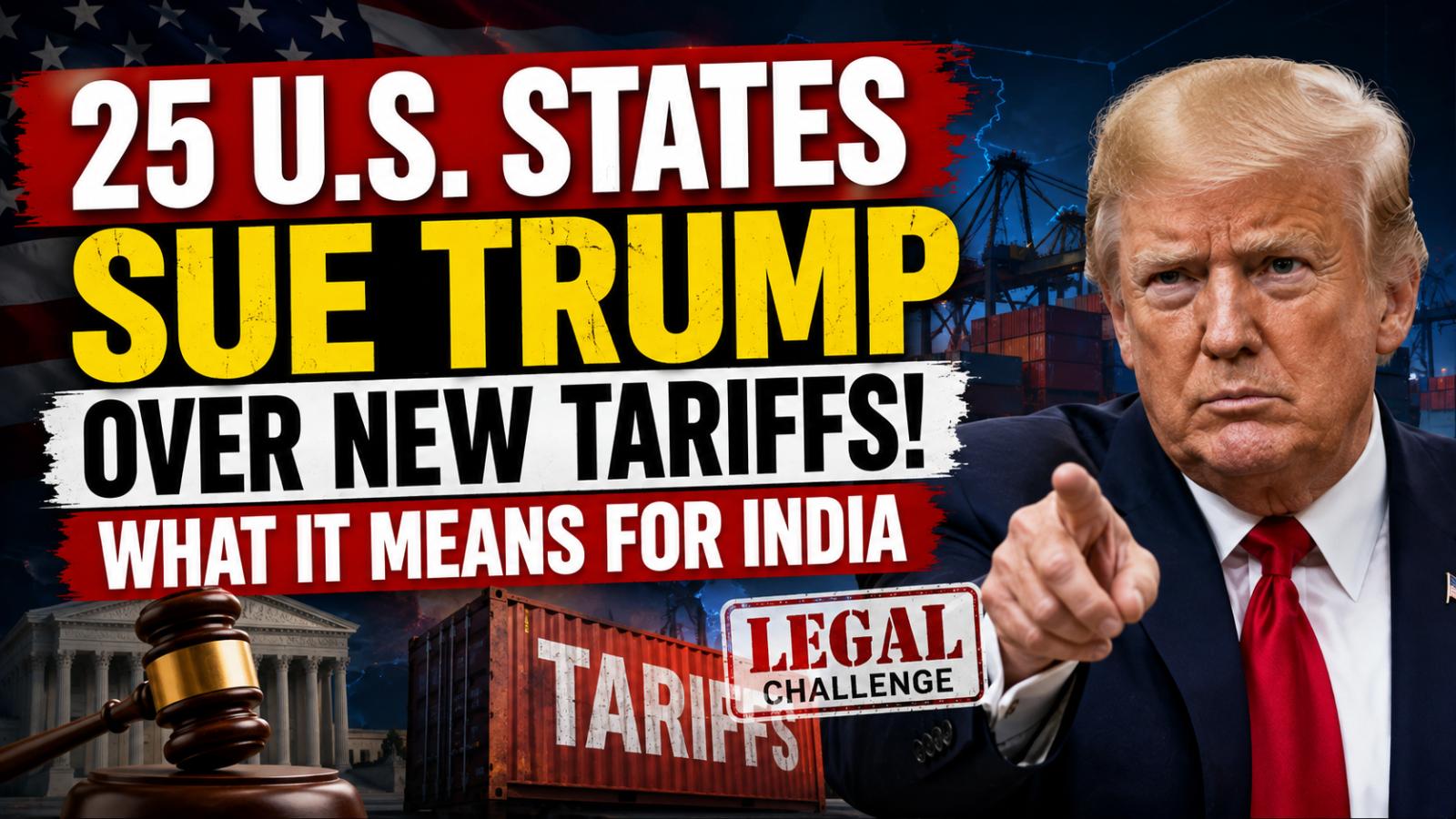
US–Europe tensions escalate over digital taxation dispute US President Donald Trump has renewed tariff threats against European countries over proposed Digital Services Taxes targeting large technology companies. In a statement posted on his social media platform, he warned that nations introducing such taxes could face tariffs of up to 100 percent on goods exported
US–Europe trade tensions rise as Trump targets digital services taxes
US–Europe tensions escalate over digital taxation dispute US President Donald Trump has renewed tariff threats against European countries over proposed Digital Services Taxes targeting large technology companies. In a statement posted on his social media platform, he warned that nations introducing such taxes could face tariffs of up to 100 percent on goods exported
Public sentiment shifts as US founders poll shows concern
A recent Gallup survey points to a noticeable shift in how Americans view the country’s long-term direction. A large majority of respondents believe the original founders of the United States would not be satisfied with how the nation has developed as it moves closer to 250 years of independence. The findings highlight a broader sense of uncertainty around civic direction and institutional confidence. Strong majority signals dissatisfaction According to the survey results, roughly 77% of adults feel that the nation has drifted away from the principles associated with its founding era. Only a small portion believe the founders would view the country positively today. The imbalance in responses reflects a clear dominance of dissatisfaction rather than divided optimism. Political identity shapes perception The responses vary significantly depending on political affiliation. People aligned with Republican views show relatively higher optimism compared to others, while Democrats are more likely to express disappointment in current national conditions. Independent respondents fall between the two groups, but overall sentiment across all categories leans toward concern rather than approval. This suggests that dissatisfaction is not confined to a single ideological group but is spread across the spectrum. Younger adults show sharper criticism Age plays an equally important role in shaping opinions. Younger adults are more likely to question whether the country has fulfilled its founding ideals, while older groups tend to express slightly more confidence in national progress over time. This generational gap highlights a difference in expectations, with younger respondents showing lower trust in institutional outcomes. Mixed perception of national progress Despite the dominant view of disappointment, a portion of respondents still acknowledge measurable progress over time. Some believe the country has achieved at least a fair level of alignment with its founding principles, even if perfection remains out of reach. However, this recognition does not outweigh the broader concern reflected in the overall numbers. Broader implications of the findings The results point toward a country navigating contrasting perceptions of identity and progress. While historical pride remains present, it is increasingly accompanied by questions about direction, governance, and shared national values. The survey reflects not just political opinion, but a wider conversation about trust, expectations, and the future trajectory of American civic life.
Public sentiment shifts as US founders poll shows concern
A recent Gallup survey points to a noticeable shift in how Americans view the country’s long-term direction. A large majority of respondents believe the original founders of the United States would not be satisfied with how the nation has developed as it moves closer to 250 years of independence. The findings highlight a broader sense of uncertainty around civic direction and institutional confidence. Strong majority signals dissatisfaction According to the survey results, roughly 77% of adults feel that the nation has drifted away from the principles associated with its founding era. Only a small portion believe the founders would view the country positively today. The imbalance in responses reflects a clear dominance of dissatisfaction rather than divided optimism. Political identity shapes perception The responses vary significantly depending on political affiliation. People aligned with Republican views show relatively higher optimism compared to others, while Democrats are more likely to express disappointment in current national conditions. Independent respondents fall between the two groups, but overall sentiment across all categories leans toward concern rather than approval. This suggests that dissatisfaction is not confined to a single ideological group but is spread across the spectrum. Younger adults show sharper criticism Age plays an equally important role in shaping opinions. Younger adults are more likely to question whether the country has fulfilled its founding ideals, while older groups tend to express slightly more confidence in national progress over time. This generational gap highlights a difference in expectations, with younger respondents showing lower trust in institutional outcomes. Mixed perception of national progress Despite the dominant view of disappointment, a portion of respondents still acknowledge measurable progress over time. Some believe the country has achieved at least a fair level of alignment with its founding principles, even if perfection remains out of reach. However, this recognition does not outweigh the broader concern reflected in the overall numbers. Broader implications of the findings The results point toward a country navigating contrasting perceptions of identity and progress. While historical pride remains present, it is increasingly accompanied by questions about direction, governance, and shared national values. The survey reflects not just political opinion, but a wider conversation about trust, expectations, and the future trajectory of American civic life.
US Iran talks in Switzerland focus on Qatar, Pakistan role
US Iran peace talks in Switzerland have drawn fresh attention as Qatar and Pakistan take a more visible role in efforts to reduce regional tensions. The discussions, held near Lake Lucerne, brought together senior representatives linked to Washington, Tehran, Doha and Islamabad at a time when the Middle East remains under pressure from nuclear concerns, shipping risks and ceasefire disputes. The talks are being watched closely because they
US Iran talks in Switzerland focus on Qatar, Pakistan role
US Iran peace talks in Switzerland have drawn fresh attention as Qatar and Pakistan take a more visible role in efforts to reduce regional tensions. The discussions, held near Lake Lucerne, brought together senior representatives linked to Washington, Tehran, Doha and Islamabad at a time when the Middle East remains under pressure from nuclear concerns, shipping risks and ceasefire disputes. The talks are being watched closely because they
US-Iran talks set 60-day roadmap after Swiss summit
US-Iran talks in Switzerland have ended with cautious progress after senior officials from Washington and Tehran agreed to continue discussions through a 60-day roadmap. The meeting, supported by Pakistan and Qatar as mediators, did not deliver a final agreement, but it gave both sides a structured process to address sanctions, nuclear concerns, regional security and the safety of shipping through the Strait of Hormuz. The talks were held
US-Iran talks set 60-day roadmap after Swiss summit
US-Iran talks in Switzerland have ended with cautious progress after senior officials from Washington and Tehran agreed to continue discussions through a 60-day roadmap. The meeting, supported by Pakistan and Qatar as mediators, did not deliver a final agreement, but it gave both sides a structured process to address sanctions, nuclear concerns, regional security and the safety of shipping through the Strait of Hormuz. The talks were held
Indian-Origin Man Gurbhej Singh Killed in Southall London Stabbing
Indian-Origin Man Gurbhej Singh Killed in Southall Stabbing, London Police Launch Murder Probe On Wednesday, June 10, 2026, a 26-year-old Indian-origin man, Gurbhej Singh, was stabbed to death in Southall, west London. The Metropolitan Police have launched a murder investigation and appealed to the public for witnesses, CCTV footage and any information that could help detectives establish what happened. The incident took place on North Road, near the junction with
Indian-Origin Man Gurbhej Singh Killed in Southall London Stabbing
Indian-Origin Man Gurbhej Singh Killed in Southall Stabbing, London Police Launch Murder Probe On Wednesday, June 10, 2026, a 26-year-old Indian-origin man, Gurbhej Singh, was stabbed to death in Southall, west London. The Metropolitan Police have launched a murder investigation and appealed to the public for witnesses, CCTV footage and any information that could help detectives establish what happened. The incident took place on North Road, near the junction with
Rajasthan Sandstorm: Visibility Drops In Churu And Bikaner After Heavy Dust Storm
May 30, 2026: Churu-Bikaner Dust Storm Update A severe sandstorm swept across parts of Rajasthan, especially Churu and Bikaner, reducing visibility and disrupting normal movement. The dust storm was followed by rain in some areas, bringing sudden weather changes and safety concerns for residents and commuters. Heavy Sandstorm Hits Rajasthan A powerful sandstorm swept through parts of Rajasthan, cr
Rajasthan Sandstorm: Visibility Drops In Churu And Bikaner After Heavy Dust Storm
May 30, 2026: Churu-Bikaner Dust Storm Update A severe sandstorm swept across parts of Rajasthan, especially Churu and Bikaner, reducing visibility and disrupting normal movement. The dust storm was followed by rain in some areas, bringing sudden weather changes and safety concerns for residents and commuters. Heavy Sandstorm Hits Rajasthan A powerful sandstorm swept through parts of Rajasthan, cr
Carney Calls For New Canada-US Partnership Amid Trade Strains
Carney Calls For New Partnership Canadian Prime Minister Mark Carney called for a new partnership with the United States during a speech in New York on Thursday, saying closer cooperation could help strengthen both countries. Carney said the global economy is going through a major rupture as the United States changes its commercial relationships, but argued that Canada and the US could still work together in key sectors such as aluminum, automobiles and critical minerals. His remarks came as trade tensions between the two neighbors continue to shape diplomatic and economic discussions. Trade Tensions Shape Message Carney has pledged to double Canadian exports to markets outside the United States over the next decade, while also signing more than 20 economic and security agreements in the past year. At the same time, US trade officials were in Mexico City for discussions on overhauling the US-Mexico-Canada Agreement, though Canada was not part of the current round of talks. The exclusion adds pressure to Ottawa as it tries to protect its position in North American trade while reducing dependence on the US market. Canada Looks To Diversify The prime minister has previously described Canada’s close ties with the United States as vulnerabilities that must be corrected, especially after President Donald Trump threatened to annex Canada as the 51st state. Carney also criticized what he called American hegemony earlier this year, warning that deeper integration with major powers can create weaknesses that may be exploited. His government has moved to diversify partnerships, including a recent decision to buy military planes from Sweden instead of relying only on American manufacturers. In New York, however, Carney adopted a more conciliatory tone. He described the United States as dynamic, resilient and inventive, and said its founding values of liberty, democracy, justice and openness should continue to guide its future and the world. The message reflected a careful balancing act: Canada wants to reduce economic risk and expand global exports, but it also recognizes that cooperation with Washington on trade, security, autos, aluminum and critical minerals remains central to its long-term strategy.
Carney Calls For New Canada-US Partnership Amid Trade Strains
Carney Calls For New Partnership Canadian Prime Minister Mark Carney called for a new partnership with the United States during a speech in New York on Thursday, saying closer cooperation could help strengthen both countries. Carney said the global economy is going through a major rupture as the United States changes its commercial relationships, but argued that Canada and the US could still work together in key sectors such as aluminum, automobiles and critical minerals. His remarks came as trade tensions between the two neighbors continue to shape diplomatic and economic discussions. Trade Tensions Shape Message Carney has pledged to double Canadian exports to markets outside the United States over the next decade, while also signing more than 20 economic and security agreements in the past year. At the same time, US trade officials were in Mexico City for discussions on overhauling the US-Mexico-Canada Agreement, though Canada was not part of the current round of talks. The exclusion adds pressure to Ottawa as it tries to protect its position in North American trade while reducing dependence on the US market. Canada Looks To Diversify The prime minister has previously described Canada’s close ties with the United States as vulnerabilities that must be corrected, especially after President Donald Trump threatened to annex Canada as the 51st state. Carney also criticized what he called American hegemony earlier this year, warning that deeper integration with major powers can create weaknesses that may be exploited. His government has moved to diversify partnerships, including a recent decision to buy military planes from Sweden instead of relying only on American manufacturers. In New York, however, Carney adopted a more conciliatory tone. He described the United States as dynamic, resilient and inventive, and said its founding values of liberty, democracy, justice and openness should continue to guide its future and the world. The message reflected a careful balancing act: Canada wants to reduce economic risk and expand global exports, but it also recognizes that cooperation with Washington on trade, security, autos, aluminum and critical minerals remains central to its long-term strategy.
Iran Peace Proposal: US Troop Exit, Lebanon Ceasefire, Sanctions Lift
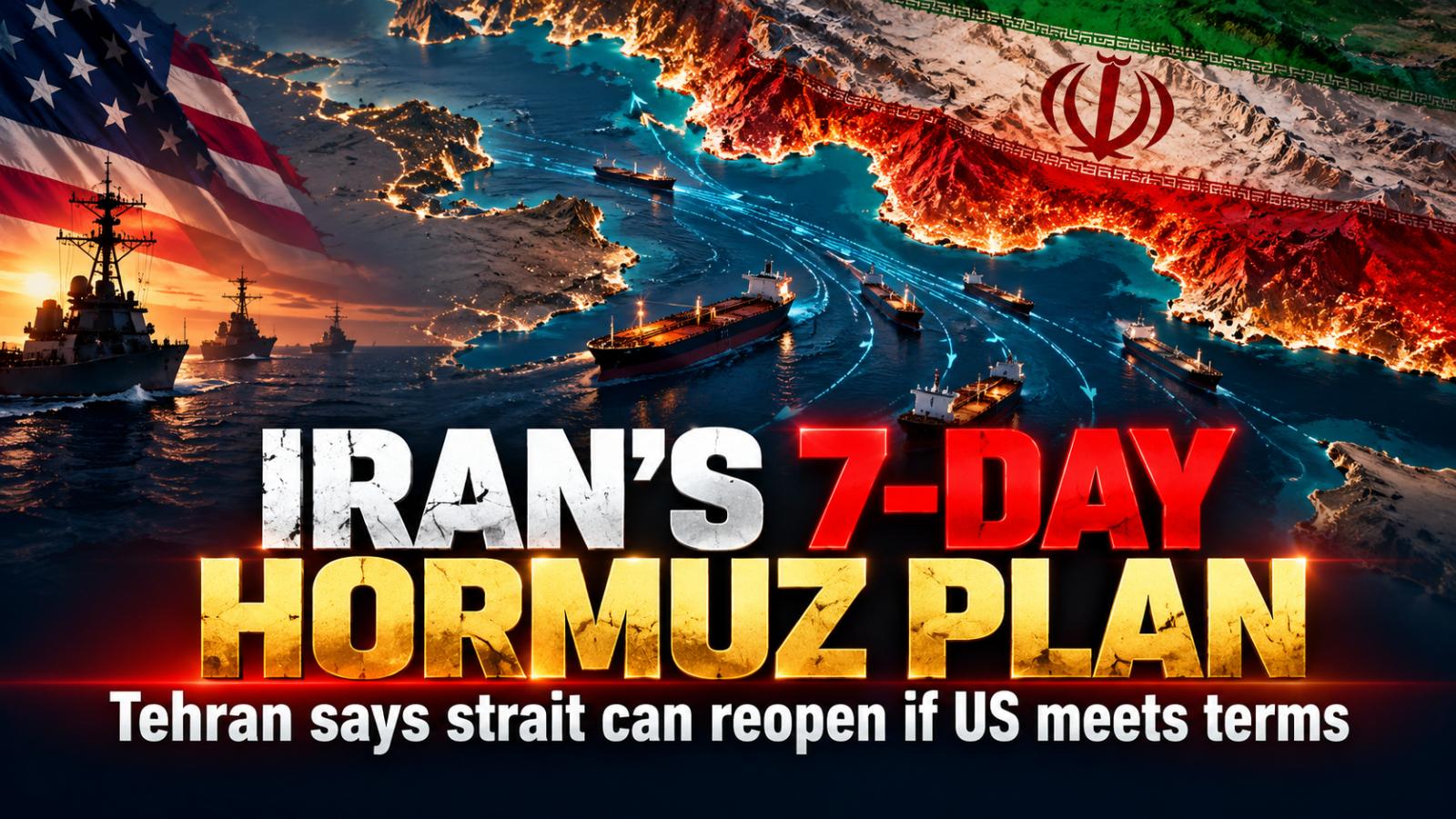
Iran has presented a comprehensive peace plan to the United States, aiming to end hostilities in Lebanon and across the region. The proposal calls for the withdrawal of US forces near Iranian borders, reparations for conflict damages, lifting of economic sanctions, release of frozen funds, and the removal of the US naval blockade from Iranian ports. Deputy Foreign Minister Kazem Gharibabadi highlighted that Tehran’s plan is designed to foster lasting peace in West Asia through diplomacy and
Iran Peace Proposal: US Troop Exit, Lebanon Ceasefire, Sanctions Lift
Iran has presented a comprehensive peace plan to the United States, aiming to end hostilities in Lebanon and across the region. The proposal calls for the withdrawal of US forces near Iranian borders, reparations for conflict damages, lifting of economic sanctions, release of frozen funds, and the removal of the US naval blockade from Iranian ports. Deputy Foreign Minister Kazem Gharibabadi highlighted that Tehran’s plan is designed to foster lasting peace in West Asia through diplomacy and
US pushes global coalition for Strait of Hormuz as Iran conflict disrupts oil trade
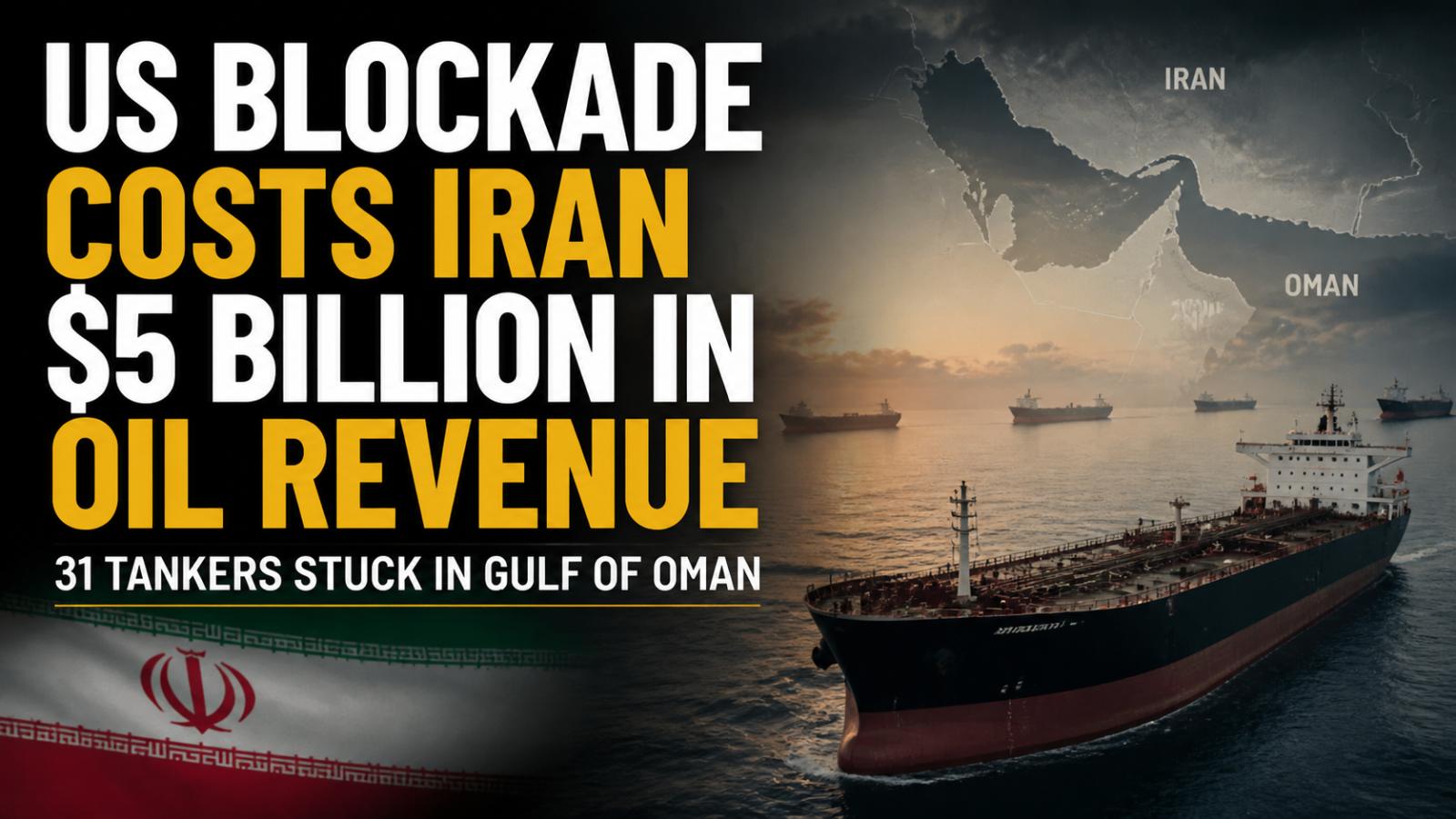
The United States is accelerating efforts to form a global coalition to secure the Strait of Hormuz, as the ongoing US-Iran conflict continues to disrupt critical shipping routes and drive volatility in global oil trade. The initiative, known as the Maritime Freedom Construct, aims to coordinate international maritime security, sanctions policy, and intelligence sharing to ensure safe navigation through one of the world’s most strategic waterways. The Strait of Hormuz, a narrow pa
US pushes global coalition for Strait of Hormuz as Iran conflict disrupts oil trade
The United States is accelerating efforts to form a global coalition to secure the Strait of Hormuz, as the ongoing US-Iran conflict continues to disrupt critical shipping routes and drive volatility in global oil trade. The initiative, known as the Maritime Freedom Construct, aims to coordinate international maritime security, sanctions policy, and intelligence sharing to ensure safe navigation through one of the world’s most strategic waterways. The Strait of Hormuz, a narrow pa
Why did Trump cancel envoy trip? Talks with Iran continue remotely
Talks with Iran continue remotely Diplomatic efforts to bridge differences between the United States and Iran remain active despite setbacks, including the cancellation of a planned envoy visit by President Donald Trump. Developments reported on Monday, April 27, 2026, indicate that negotiations are continuing through indirect channels, with Pakistan playing a mediating role. Iran proposes phased approach delaying nuclear negotiations According to sources familiar with the discussions, Iran has introduced a proposal that restructures the negotiation timeline. The plan would prioritize ending the ongoing conflict and resolving disputes over shipping in the Strait of Hormuz before addressing Iran’s nuclear program. This phased approach is expected to face resistance from Washington, which has consistently maintained that nuclear issues must be addressed at the outset of any agreement. Iranian Foreign Minister Abbas Araqchi has been actively engaged in shuttle diplomacy, traveling between Islamabad, Oman, and Russia over the weekend and into Monday, April 27, 2026. In Moscow, Araqchi met with Vladimir Putin, signaling continued support from Russia. Pakistan facilitates remote negotiations after canceled meetings Plans for face-to-face talks in Islamabad were abandoned after Trump called off a visit by his envoys, including Steve Witkoff and Jared Kushner. The cancellation followed what Trump described as an insufficient Iranian proposal. As a result, Pakistan has shifted to facilitating remote negotiations, with officials indicating that in-person meetings will only occur once substantial progress is made toward a draft agreement. Oil markets react as tensions persist in the Gulf The ongoing standoff has had immediate economic implications, particularly in global energy markets. Oil prices rose when trading resumed on Monday, April 27, 2026, with Brent crude increasing by approximately 2.5% to around $108 per barrel. The volatility reflects concerns over restricted shipping through the Strait of Hormuz, a critical route for global oil supplies. Since the conflict began, Iran has limited access to the waterway, while the United States has imposed a blockade on Iranian shipping. These actions have heightened fears of prolonged disruption, contributing to inflationary pressures and uncertainty in global economic growth. Domestic and geopolitical pressures shape next steps Trump faces increasing domestic pressure to resolve the conflict as approval ratings decline, while Iran continues to leverage its control over regional shipping routes. Despite a ceasefire that has paused active strikes since February 28, 2026, no comprehensive agreement has been reached to formally end hostilities. The gap between the two sides remains significant, particularly over nuclear restrictions and regional security. With both nations appearing prepared for a prolonged negotiation process, analysts suggest the outcome may depend on which side can withstand the economic and political pressures longer.
Why did Trump cancel envoy trip? Talks with Iran continue remotely
Talks with Iran continue remotely Diplomatic efforts to bridge differences between the United States and Iran remain active despite setbacks, including the cancellation of a planned envoy visit by President Donald Trump. Developments reported on Monday, April 27, 2026, indicate that negotiations are continuing through indirect channels, with Pakistan playing a mediating role. Iran proposes phased approach delaying nuclear negotiations According to sources familiar with the discussions, Iran has introduced a proposal that restructures the negotiation timeline. The plan would prioritize ending the ongoing conflict and resolving disputes over shipping in the Strait of Hormuz before addressing Iran’s nuclear program. This phased approach is expected to face resistance from Washington, which has consistently maintained that nuclear issues must be addressed at the outset of any agreement. Iranian Foreign Minister Abbas Araqchi has been actively engaged in shuttle diplomacy, traveling between Islamabad, Oman, and Russia over the weekend and into Monday, April 27, 2026. In Moscow, Araqchi met with Vladimir Putin, signaling continued support from Russia. Pakistan facilitates remote negotiations after canceled meetings Plans for face-to-face talks in Islamabad were abandoned after Trump called off a visit by his envoys, including Steve Witkoff and Jared Kushner. The cancellation followed what Trump described as an insufficient Iranian proposal. As a result, Pakistan has shifted to facilitating remote negotiations, with officials indicating that in-person meetings will only occur once substantial progress is made toward a draft agreement. Oil markets react as tensions persist in the Gulf The ongoing standoff has had immediate economic implications, particularly in global energy markets. Oil prices rose when trading resumed on Monday, April 27, 2026, with Brent crude increasing by approximately 2.5% to around $108 per barrel. The volatility reflects concerns over restricted shipping through the Strait of Hormuz, a critical route for global oil supplies. Since the conflict began, Iran has limited access to the waterway, while the United States has imposed a blockade on Iranian shipping. These actions have heightened fears of prolonged disruption, contributing to inflationary pressures and uncertainty in global economic growth. Domestic and geopolitical pressures shape next steps Trump faces increasing domestic pressure to resolve the conflict as approval ratings decline, while Iran continues to leverage its control over regional shipping routes. Despite a ceasefire that has paused active strikes since February 28, 2026, no comprehensive agreement has been reached to formally end hostilities. The gap between the two sides remains significant, particularly over nuclear restrictions and regional security. With both nations appearing prepared for a prolonged negotiation process, analysts suggest the outcome may depend on which side can withstand the economic and political pressures longer.
Trump criticizes NATO support amid tensions over Iran conflict
Trump criticized NATO for lack of support during the Iran conflict, highlighting growing US-alliance tensions and potential policy consequences for member states. A growing rift between the United States and NATO allies intensified after President Donald Trump voiced disappointment over support during the Iran conflict and broader security concerns. Amid escalating tensions between the United States and its allies, Donald Trump said on Sunday April 26, 2026 that he was “very disappointed” with NATO, accusing the alliance of failing to support Washington during a critical period. His remarks followed heightened security concerns earlier that day at the White House Correspondents’ Dinner. In an interview with Fox News, Trump emphasized the scale of US financial contributions to NATO, arguing that the alliance depends heavily on American resources. He said the United States has invested trillions of dollars to protect Europe from threats such as Russia and suggested that NATO members have not reciprocated adequately. The comments come as the Trump administration faces frustration with Western allies over their reluctance to back US actions in the ongoing Iran conflict. During the same interview, Trump shifted focus to Iran, asserting that the United States holds a strategic advantage despite stalled negotiations. He claimed US forces had significantly weakened Iran’s naval and air capabilities and described a blockade as highly effective. Tensions with NATO have been building since Trump returned to office, particularly as he has pushed member nations to increase defense spending. Disagreements intensified after several NATO countries declined to support US military operations in Iran or allow the use of their bases. The strain deepened further after a controversial email from the United States Department of Defense outlined potential actions against NATO allies perceived as unsupportive. Among the measures discussed was the possible suspension of Spain from NATO, a move officials indicated would carry symbolic significance but limited operational impact. Officials said the communication reflected growing frustration within the US government, describing what it characterized as a sense of entitlement among European partners. The developments underscore widening divisions within the alliance as geopolitical and military priorities diverge.
Trump criticizes NATO support amid tensions over Iran conflict
Trump criticized NATO for lack of support during the Iran conflict, highlighting growing US-alliance tensions and potential policy consequences for member states. A growing rift between the United States and NATO allies intensified after President Donald Trump voiced disappointment over support during the Iran conflict and broader security concerns. Amid escalating tensions between the United States and its allies, Donald Trump said on Sunday April 26, 2026 that he was “very disappointed” with NATO, accusing the alliance of failing to support Washington during a critical period. His remarks followed heightened security concerns earlier that day at the White House Correspondents’ Dinner. In an interview with Fox News, Trump emphasized the scale of US financial contributions to NATO, arguing that the alliance depends heavily on American resources. He said the United States has invested trillions of dollars to protect Europe from threats such as Russia and suggested that NATO members have not reciprocated adequately. The comments come as the Trump administration faces frustration with Western allies over their reluctance to back US actions in the ongoing Iran conflict. During the same interview, Trump shifted focus to Iran, asserting that the United States holds a strategic advantage despite stalled negotiations. He claimed US forces had significantly weakened Iran’s naval and air capabilities and described a blockade as highly effective. Tensions with NATO have been building since Trump returned to office, particularly as he has pushed member nations to increase defense spending. Disagreements intensified after several NATO countries declined to support US military operations in Iran or allow the use of their bases. The strain deepened further after a controversial email from the United States Department of Defense outlined potential actions against NATO allies perceived as unsupportive. Among the measures discussed was the possible suspension of Spain from NATO, a move officials indicated would carry symbolic significance but limited operational impact. Officials said the communication reflected growing frustration within the US government, describing what it characterized as a sense of entitlement among European partners. The developments underscore widening divisions within the alliance as geopolitical and military priorities diverge.
Who gives more death sentences, India or the U.S.? India ranks much higher
Global death penalty data shows executions remain concentrated in a few countries, while India issues far more death sentences than the U.S. The global death penalty remains in force in a limited number of countries, but recent figures show that its use is still concentrated in a small group of states. In 2024, Amnesty International recorded 2,087 new death sentences across 46 countries and 1,518 executions in 15 countries, the highest execution total since 2015. The
Who gives more death sentences, India or the U.S.? India ranks much higher
Global death penalty data shows executions remain concentrated in a few countries, while India issues far more death sentences than the U.S. The global death penalty remains in force in a limited number of countries, but recent figures show that its use is still concentrated in a small group of states. In 2024, Amnesty International recorded 2,087 new death sentences across 46 countries and 1,518 executions in 15 countries, the highest execution total since 2015. The
Russia’s Lavrov accuses US of targeting oil resources in foreign policy
Russia’s foreign minister accuses the US of pursuing oil-driven interventions in Iran and Venezuela, raising concerns over global energy dominance and geopolitical tensions. Russian Foreign Minister Sergei Lavrov has accused the United States of pursuing foreign interventions to secure control over global oil and energy resources, escalating rhetoric between Moscow and
Russia’s Lavrov accuses US of targeting oil resources in foreign policy
Russia’s foreign minister accuses the US of pursuing oil-driven interventions in Iran and Venezuela, raising concerns over global energy dominance and geopolitical tensions. Russian Foreign Minister Sergei Lavrov has accused the United States of pursuing foreign interventions to secure control over global oil and energy resources, escalating rhetoric between Moscow and
Lavrov criticizes US foreign policy over oil and energy dominance
Russian Foreign Minister Sergei Lavrov has accused the United States of pursuing oil-driven policies in Iran and Venezuela, claiming that control over global energy resources is a central goal of Washington’s foreign strategy. Speaking in a televised interview, Lavrov said the US focuses primarily on its own interests and is willing to use extreme methods to secure access to oil and energy assets in resource-rich nations. Lavrov alleged that US actions in countries such as Iran and Venezuela are not hidden, but openly tied to securing influence over energy markets. According to him, Washington’s approach reflects a broader ambition to dominate global energy supply chains. He argued that such policies show a shift away from international legal norms, suggesting that decisions are increasingly shaped by power rather than agreed rules. The Russian minister also criticized the US for what he described as inconsistent diplomacy. He urged Washington to prioritize dialogue, stating that the US has a pattern of withdrawing from agreements instead of maintaining stable international commitments. His remarks come as American envoys prepare for discussions in Pakistan, signaling ongoing diplomatic engagement in the region. The White House has indicated openness to negotiations with Iran, while maintaining that it will not act under pressure. Meanwhile, Iran’s Foreign Minister Abbas Araghchi has begun a regional visit, adding to the ongoing diplomatic activity surrounding the issue. Lavrov further linked US foreign policy to developments in Europe, particularly in the context of the Ukraine conflict. He accused Washington of encouraging European nations to reduce dependence on Russian gas, framing this as part of a broader geopolitical strategy. According to Lavrov, such moves resemble attempts to reshape global energy dynamics in a way that benefits US interests, raising concerns about a return to power-based international relations.
Lavrov criticizes US foreign policy over oil and energy dominance
Russian Foreign Minister Sergei Lavrov has accused the United States of pursuing oil-driven policies in Iran and Venezuela, claiming that control over global energy resources is a central goal of Washington’s foreign strategy. Speaking in a televised interview, Lavrov said the US focuses primarily on its own interests and is willing to use extreme methods to secure access to oil and energy assets in resource-rich nations. Lavrov alleged that US actions in countries such as Iran and Venezuela are not hidden, but openly tied to securing influence over energy markets. According to him, Washington’s approach reflects a broader ambition to dominate global energy supply chains. He argued that such policies show a shift away from international legal norms, suggesting that decisions are increasingly shaped by power rather than agreed rules. The Russian minister also criticized the US for what he described as inconsistent diplomacy. He urged Washington to prioritize dialogue, stating that the US has a pattern of withdrawing from agreements instead of maintaining stable international commitments. His remarks come as American envoys prepare for discussions in Pakistan, signaling ongoing diplomatic engagement in the region. The White House has indicated openness to negotiations with Iran, while maintaining that it will not act under pressure. Meanwhile, Iran’s Foreign Minister Abbas Araghchi has begun a regional visit, adding to the ongoing diplomatic activity surrounding the issue. Lavrov further linked US foreign policy to developments in Europe, particularly in the context of the Ukraine conflict. He accused Washington of encouraging European nations to reduce dependence on Russian gas, framing this as part of a broader geopolitical strategy. According to Lavrov, such moves resemble attempts to reshape global energy dynamics in a way that benefits US interests, raising concerns about a return to power-based international relations.
US warns Iran of strikes on energy infrastructure ahead of cease-fire deadline
Defense Secretary Pete Hegseth issued a stark warning on Thursday, April 16, 2026, from the Pentagon, stating that the United States could target Iran’s energy infrastructure if its leadership does not agree to a peace deal before a temporary cease-fire expires in the coming days. The remarks underscore escalating tensions as Washington intensifies pressure on
US warns Iran of strikes on energy infrastructure ahead of cease-fire deadline
Defense Secretary Pete Hegseth issued a stark warning on Thursday, April 16, 2026, from the Pentagon, stating that the United States could target Iran’s energy infrastructure if its leadership does not agree to a peace deal before a temporary cease-fire expires in the coming days. The remarks underscore escalating tensions as Washington intensifies pressure on
Iran threatens to halt Gulf trade if US naval blockade continues
Iran has issued a warning that it may escalate tensions with the United States by blocking major international shipping routes if a US naval blockade targeting its vessels continues. The statement, broadcast on state television, came from Ali Abdollahi, commander of the Khatam al-Anbiya Central Headquarters,
Iran threatens to halt Gulf trade if US naval blockade continues
Iran has issued a warning that it may escalate tensions with the United States by blocking major international shipping routes if a US naval blockade targeting its vessels continues. The statement, broadcast on state television, came from Ali Abdollahi, commander of the Khatam al-Anbiya Central Headquarters,


