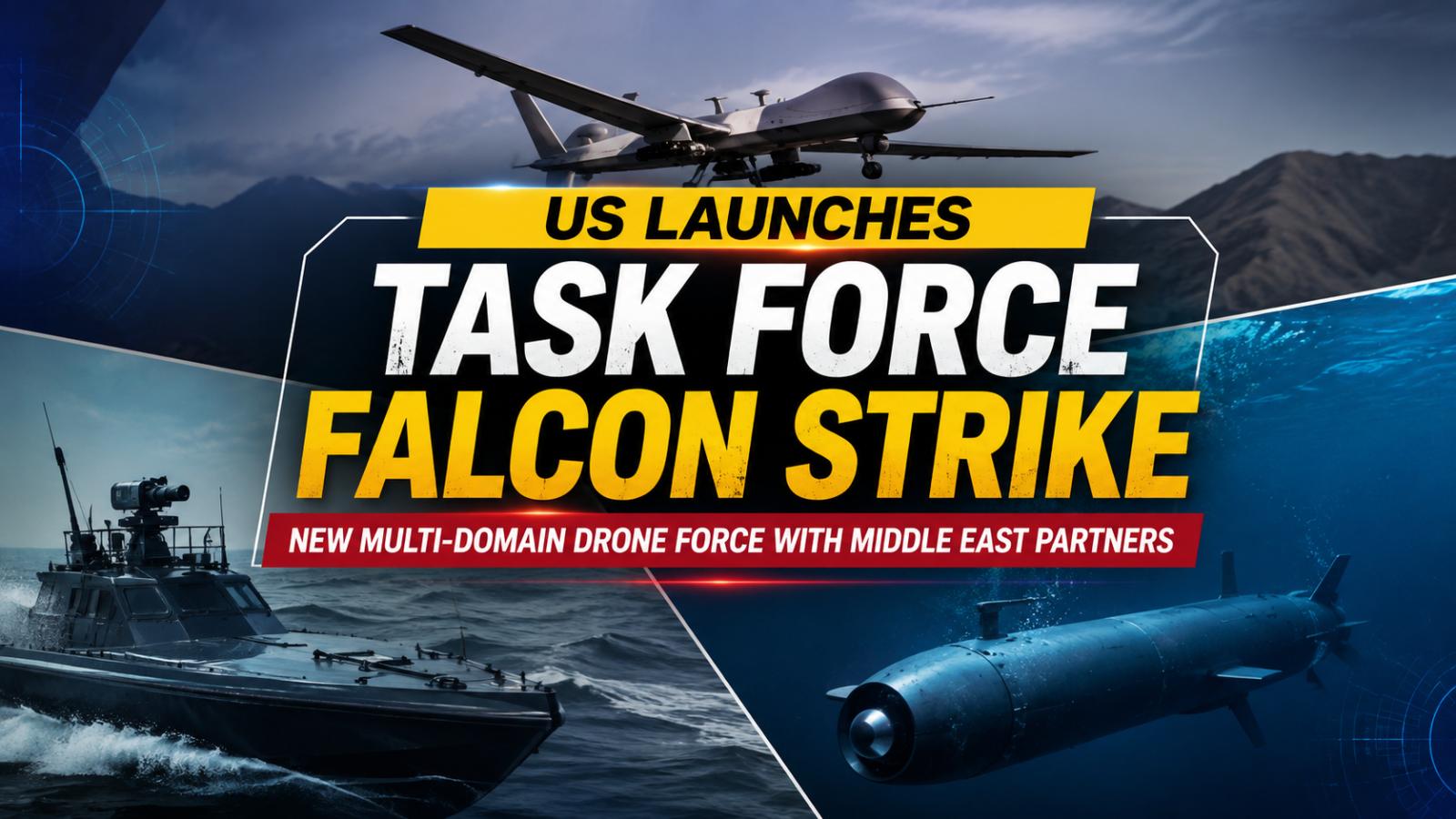
Task Force Falcon Strike Expands US Drone Power in Middle East
The United States has launched Task Force Falcon Strike, a new multinational attack drone initiative designed to operate unmanned systems above, on and below the sea. CENTCOM says the force will combine US capabilities with regional partners as Washington expands drone warfare across the Middle East. Attack drone force expands across multiple domains U.S. Central Command announced Task Force Fa
Task Force Falcon Strike Expands US Drone Power in Middle East
The United States has launched Task Force Falcon Strike, a new multinational attack drone initiative designed to operate unmanned systems above, on and below the sea. CENTCOM says the force will combine US capabilities with regional partners as Washington expands drone warfare across the Middle East. Attack drone force expands across multiple domains U.S. Central Command announced Task Force Fa
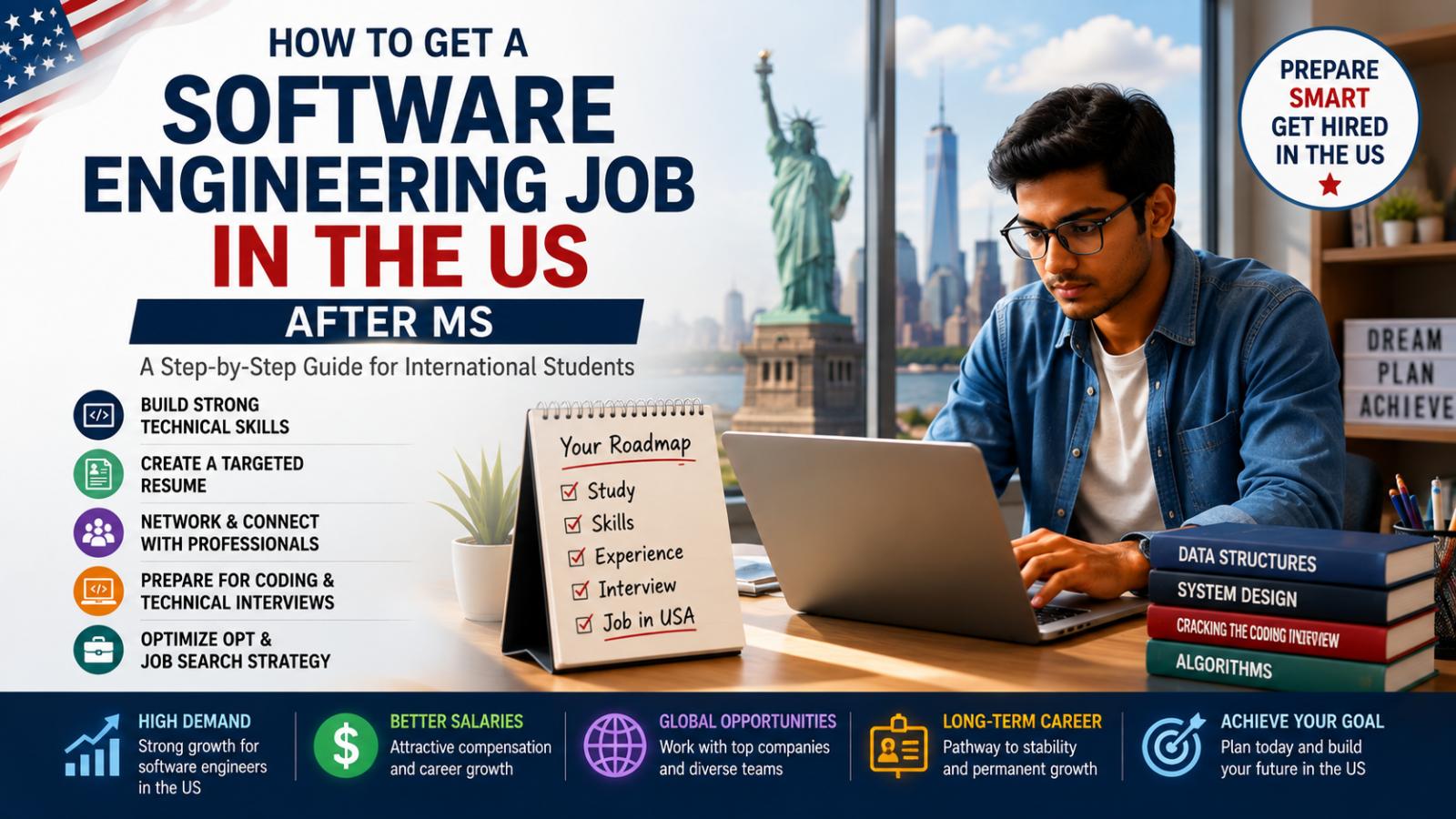
How to get a software engineering job in the US after MS
Getting a software engineering job in the US after MS requires more than a graduate degree. International students can improve their prospects through strong coding skills, practical projects, internships, focused resumes, networking, interview preparation and careful OPT planning. Start preparing before graduation Getting a software engineering job in the US after MS usually requires preparation well before graduation. A master’s degr
How to get a software engineering job in the US after MS
Getting a software engineering job in the US after MS requires more than a graduate degree. International students can improve their prospects through strong coding skills, practical projects, internships, focused resumes, networking, interview preparation and careful OPT planning. Start preparing before graduation Getting a software engineering job in the US after MS usually requires preparation well before graduation. A master’s degr
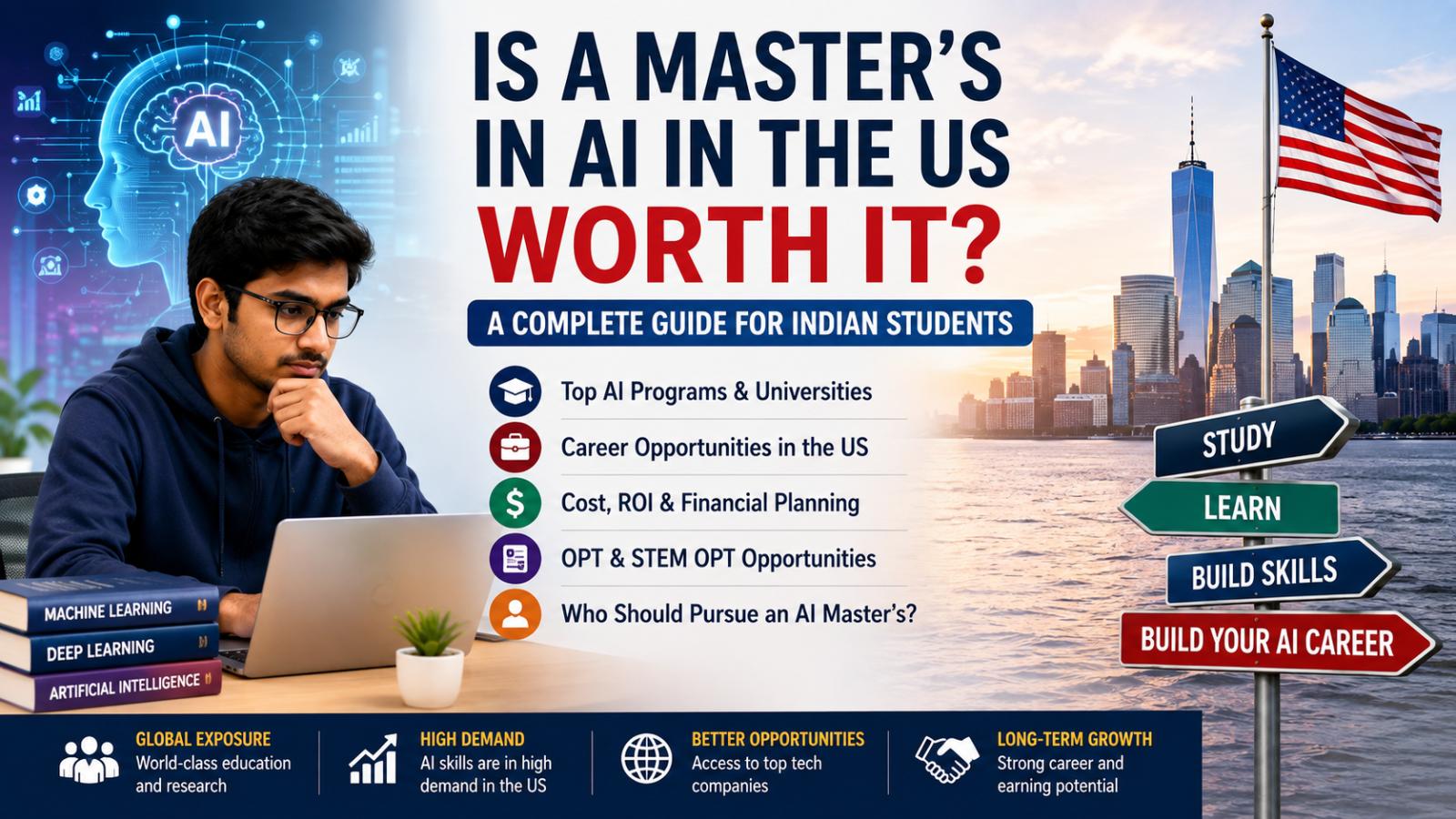
Is a master’s in AI in the US worth it for Indian students?
A master’s in AI in the US can provide Indian students with specialized skills and access to a large technology job market, but the decision requires careful evaluation of tuition, career goals, university quality and post-study work eligibility such as OPT and STEM OPT. Is a US master’s in AI worth the investment? Artificial intelligence has become an in
Is a master’s in AI in the US worth it for Indian students?
A master’s in AI in the US can provide Indian students with specialized skills and access to a large technology job market, but the decision requires careful evaluation of tuition, career goals, university quality and post-study work eligibility such as OPT and STEM OPT. Is a US master’s in AI worth the investment? Artificial intelligence has become an in
Trump OPT Proposal Could Cost Indian Students $100,000
Trump OPT Proposal Could Cost Indian Students $100,000 The Trump OPT proposal could dramatically increase the cost of studying in the United States by introducing a reported $100,000 fee for post-study work authorization. While the proposal has not been officially announced, it has raised concerns among Indian students, universities and employers because of the OPT programme's importance. US OPT Programme F
Trump OPT Proposal Could Cost Indian Students $100,000
Trump OPT Proposal Could Cost Indian Students $100,000 The Trump OPT proposal could dramatically increase the cost of studying in the United States by introducing a reported $100,000 fee for post-study work authorization. While the proposal has not been officially announced, it has raised concerns among Indian students, universities and employers because of the OPT programme's importance. US OPT Programme F
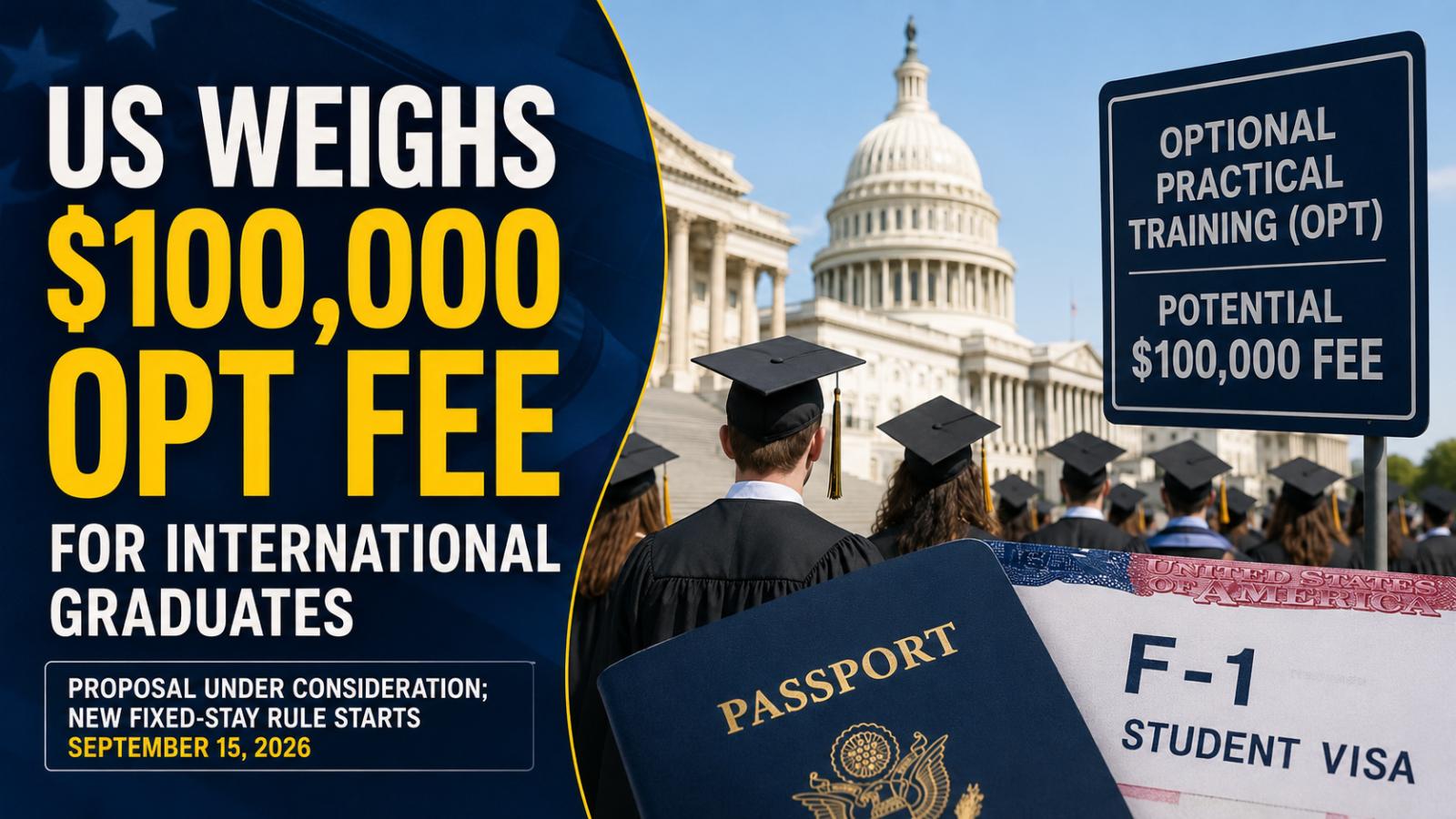
US weighs $100,000 OPT fee for international graduates
The US is considering a $100,000 OPT fee for international graduates, though no formal policy has been issued. The proposal comes as a separate DHS rule ending duration of status for many F, J and I visa holders takes effect on September 15, 2026, nationwide. The Trump administration is considering a $100,000 fee connected to Optional Practical Training, according to a Wall Street Journal report published Thursday, July 30
US weighs $100,000 OPT fee for international graduates
The US is considering a $100,000 OPT fee for international graduates, though no formal policy has been issued. The proposal comes as a separate DHS rule ending duration of status for many F, J and I visa holders takes effect on September 15, 2026, nationwide. The Trump administration is considering a $100,000 fee connected to Optional Practical Training, according to a Wall Street Journal report published Thursday, July 30
F-1 grace period: Who gets 30 days and who gets 60?
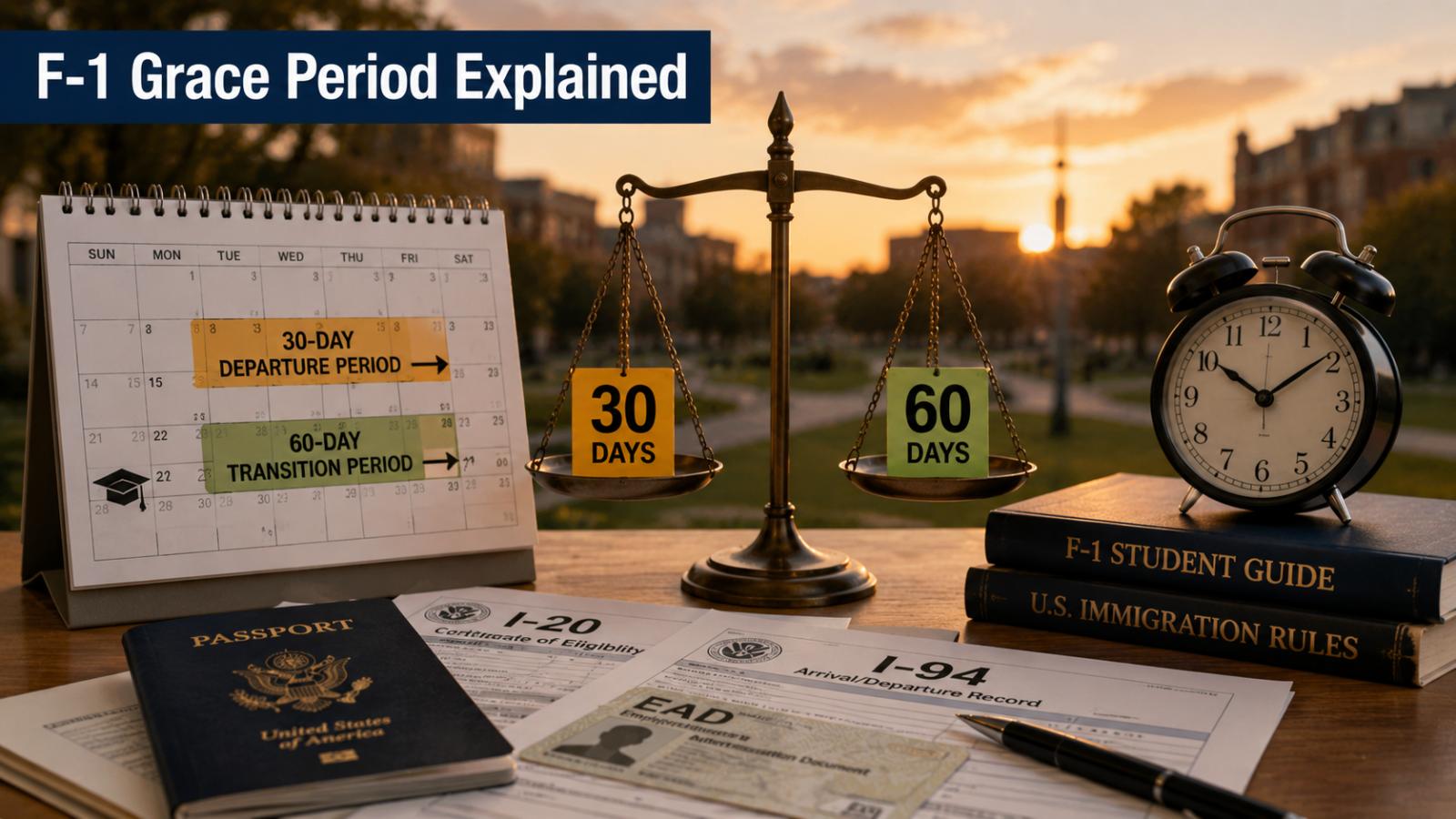
The F-1 grace period will generally fall from 60 days to 30 days under the DHS fixed-stay rule effective September 15, 2026. Qualifying students protected by the transition provisions may retain 60 days after their Form I-20 or EAD end date, subject to the rule’s limits. The Department of Homeland Security’s final fixed-stay rule will reduce the standard F-1 departure period from 60 days to 30 days for students admitted un
F-1 grace period: Who gets 30 days and who gets 60?
The F-1 grace period will generally fall from 60 days to 30 days under the DHS fixed-stay rule effective September 15, 2026. Qualifying students protected by the transition provisions may retain 60 days after their Form I-20 or EAD end date, subject to the rule’s limits. The Department of Homeland Security’s final fixed-stay rule will reduce the standard F-1 departure period from 60 days to 30 days for students admitted un
F-1 student travel after September 15: What changes
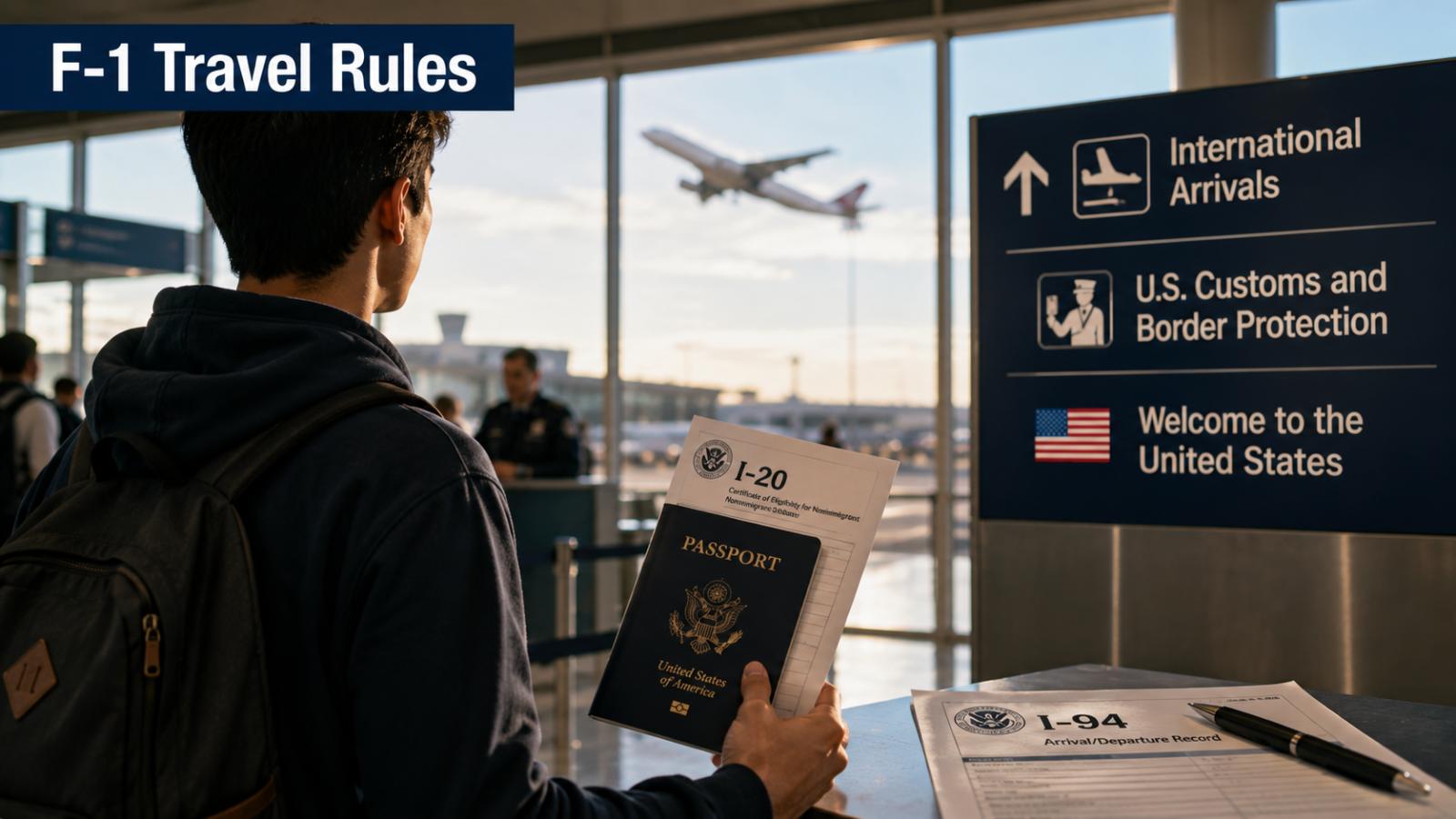
F-1 student travel after September 15, 2026, may lead to a fixed admission period at reentry. Students should check the new Form I-94, understand how travel affects transition protection, and review risks involving OPT, STEM OPT and pending extension applications. The Department of Homeland Security’s final fixed-stay rule will change what happens when some F-1 students return to the United States after international travel. Published on Friday, July 17, 2026, it
F-1 student travel after September 15: What changes
F-1 student travel after September 15, 2026, may lead to a fixed admission period at reentry. Students should check the new Form I-94, understand how travel affects transition protection, and review risks involving OPT, STEM OPT and pending extension applications. The Department of Homeland Security’s final fixed-stay rule will change what happens when some F-1 students return to the United States after international travel. Published on Friday, July 17, 2026, it
OPT under new F-1 rule: When Form I-539 is required
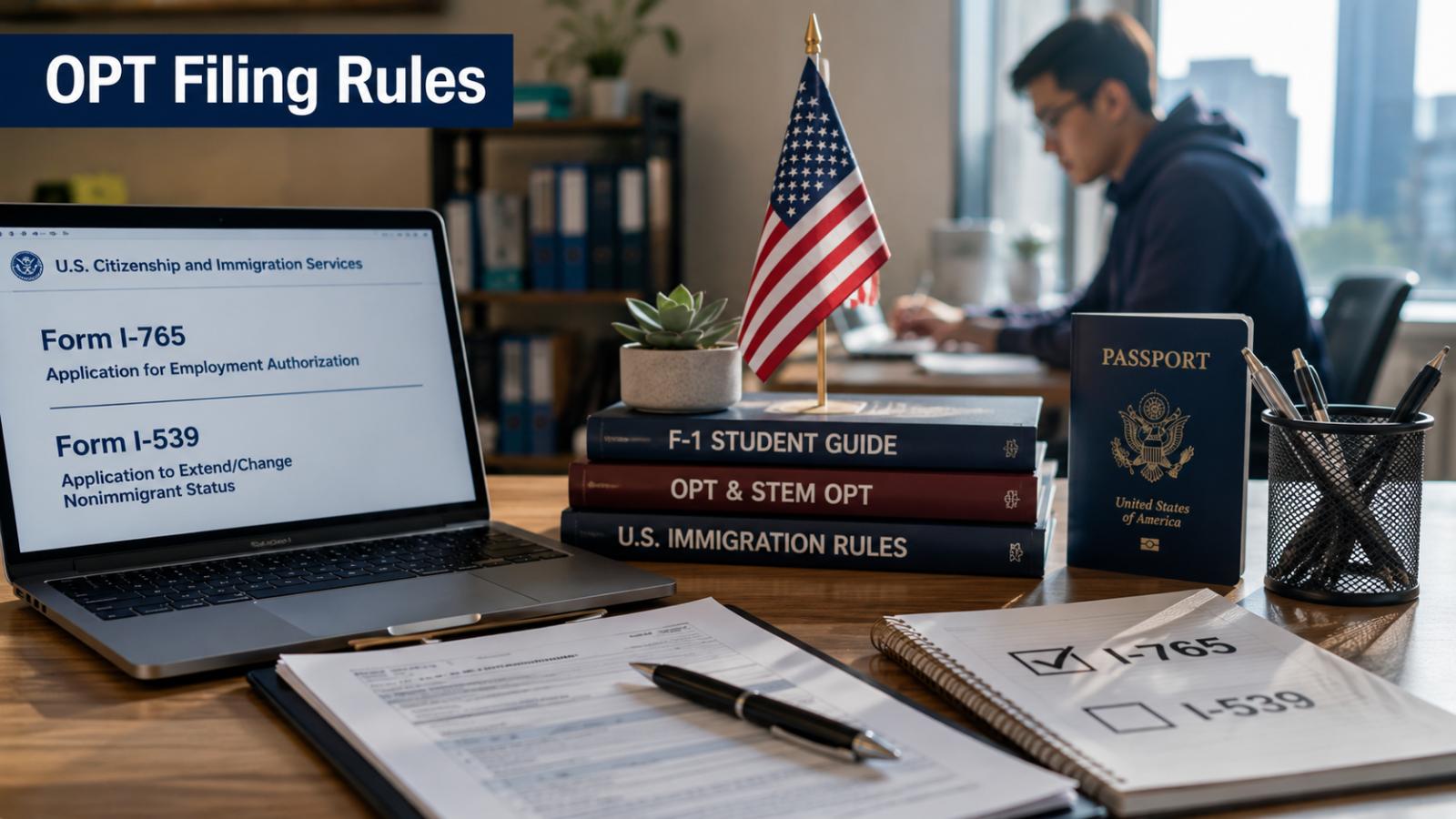
The OPT under new F-1 rule creates a temporary Form I-539 exemption for qualifying students who file Form I-765 by March 18, 2027. Other post-completion OPT and STEM OPT applicants may need separate employment authorization and extension-of-stay filings. The Department of Homeland Security’s fixed-stay rule changes how some F-1 students will request post-completion Optional Practical Training and STEM OPT. Published on Friday, July 17, 2026, it takes effect on Tue
OPT under new F-1 rule: When Form I-539 is required
The OPT under new F-1 rule creates a temporary Form I-539 exemption for qualifying students who file Form I-765 by March 18, 2027. Other post-completion OPT and STEM OPT applicants may need separate employment authorization and extension-of-stay filings. The Department of Homeland Security’s fixed-stay rule changes how some F-1 students will request post-completion Optional Practical Training and STEM OPT. Published on Friday, July 17, 2026, it takes effect on Tue
DHS ends F-1 duration of status under new fixed-stay rule
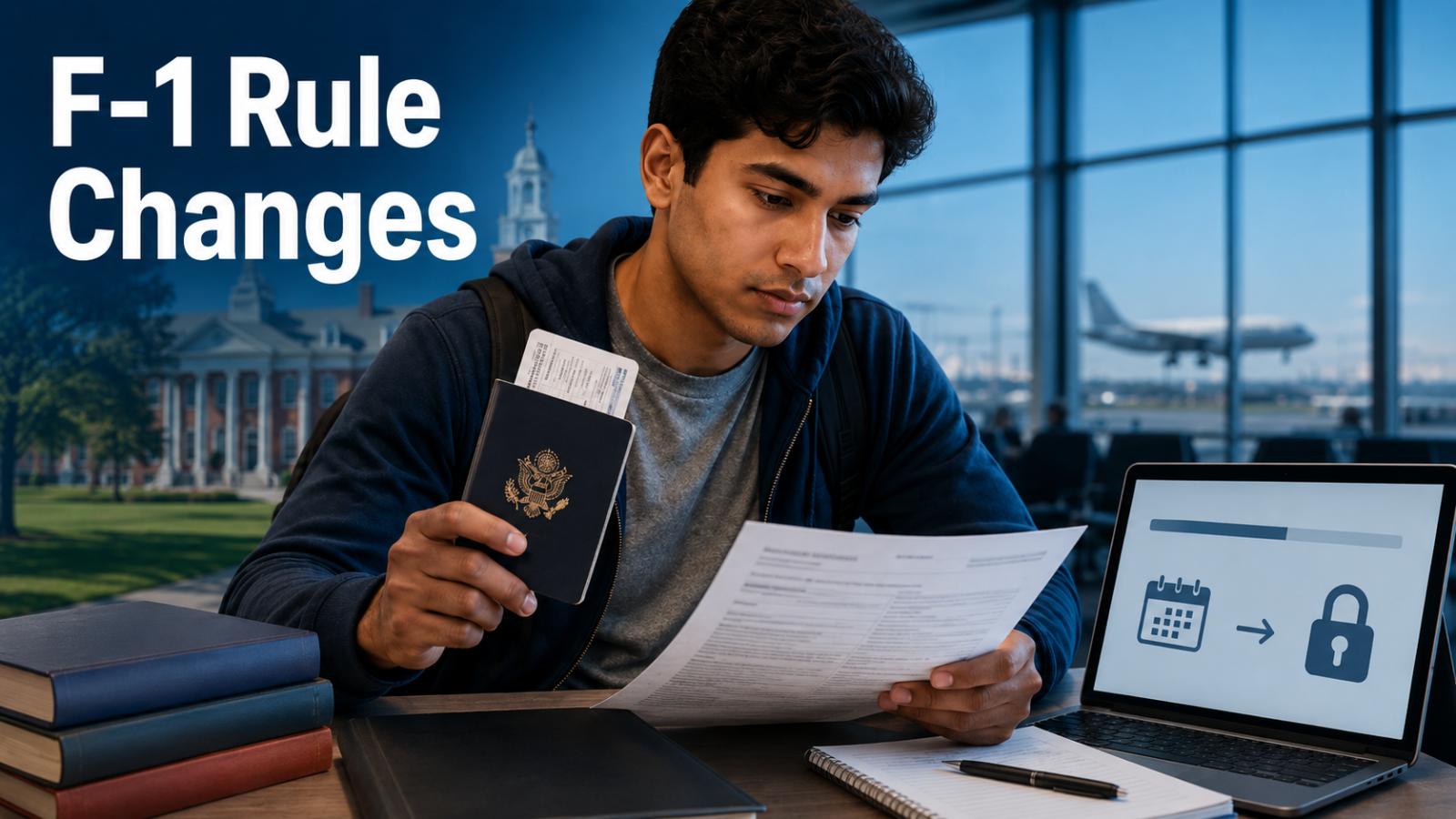
The DHS F-1 duration of status rule takes effect September 15, 2026, replacing open-ended D/S admission with fixed stays. New students may receive up to four years, while eligible students already in the U.S. receive transition protection and new extension filing requirements. The Department of Homeland Security has finalized a rule ending the “duration of status,” or D/S, admission system for F-1 students. Published on Friday, July 17, 2026, the rule takes effe
DHS ends F-1 duration of status under new fixed-stay rule
The DHS F-1 duration of status rule takes effect September 15, 2026, replacing open-ended D/S admission with fixed stays. New students may receive up to four years, while eligible students already in the U.S. receive transition protection and new extension filing requirements. The Department of Homeland Security has finalized a rule ending the “duration of status,” or D/S, admission system for F-1 students. Published on Friday, July 17, 2026, the rule takes effe
Trump Student Visa Rule Sets Four-Year Admission Limit
The Trump student visa rule would replace duration of status with fixed admission periods of up to four years. F-1 and J-1 students may face new USCIS extension filings, shorter departure periods, travel effects and tighter limits on school or program changes. WASHINGTON — The Department of Homeland Security published a final rule on Friday, July 17, 2026, replacing the “duration of status” system for F-1 students, J
Trump Student Visa Rule Sets Four-Year Admission Limit
The Trump student visa rule would replace duration of status with fixed admission periods of up to four years. F-1 and J-1 students may face new USCIS extension filings, shorter departure periods, travel effects and tighter limits on school or program changes. WASHINGTON — The Department of Homeland Security published a final rule on Friday, July 17, 2026, replacing the “duration of status” system for F-1 students, J
US Saudi Arms Deal Approves $1.96 Billion Precision Weapons
The United States has approved a potential $1.96 billion precision-weapons sale to Saudi Arabia as the kingdom faces renewed missile and drone threats from Yemen’s Houthi movement. The proposed package includes Advanced Precision Kill Weapon Systems designed to improve Saudi air defence and regional military coordination. Saudi defence receives major US weapons boost The US State Department approved the possi
US Saudi Arms Deal Approves $1.96 Billion Precision Weapons
The United States has approved a potential $1.96 billion precision-weapons sale to Saudi Arabia as the kingdom faces renewed missile and drone threats from Yemen’s Houthi movement. The proposed package includes Advanced Precision Kill Weapon Systems designed to improve Saudi air defence and regional military coordination. Saudi defence receives major US weapons boost The US State Department approved the possi
Two Arrested in Chino Hills BAPS Temple Burglary Investigation
CHINO HILLS, Calif. — Two men have been arrested in the Chino Hills BAPS temple burglary investigation, the San Bernardino County Sheriff’s Department announced on Wednesday, June 24, 2026. David Sanchez, 48, and Joseph Hernandez, 32, both of Chino Hills, are accused of entering the BAPS Shri Swaminarayan Mandir earlier in June and stealing property from the temple, according to investigators. What investigators found in the C
Two Arrested in Chino Hills BAPS Temple Burglary Investigation
CHINO HILLS, Calif. — Two men have been arrested in the Chino Hills BAPS temple burglary investigation, the San Bernardino County Sheriff’s Department announced on Wednesday, June 24, 2026. David Sanchez, 48, and Joseph Hernandez, 32, both of Chino Hills, are accused of entering the BAPS Shri Swaminarayan Mandir earlier in June and stealing property from the temple, according to investigators. What investigators found in the C
Indian Space Startups Build NavIC Support Layer For Defence And Navigation
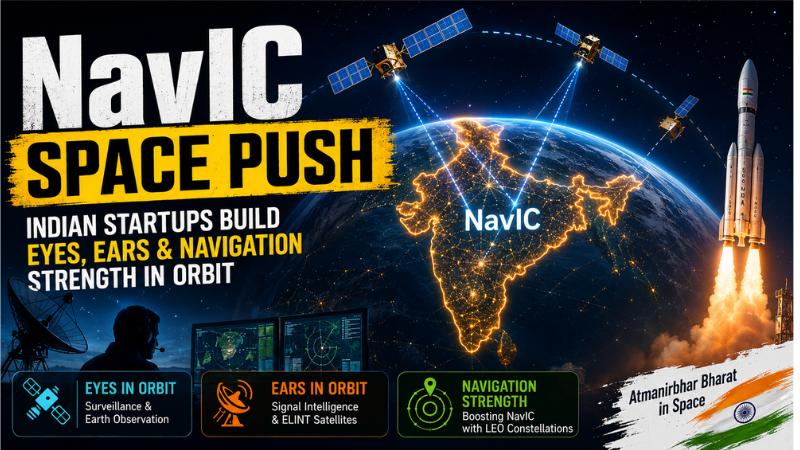
Indian Space Startups Strengthen NavIC Push With Eyes And Ears In Orbit India’s private space companies are no longer just supporting Isro — they are building satellites that could help the country watch borders, track signals, and strengthen NavIC. At the India Space Congress 2026 in New Delhi, several Indian firms showcased satellite technologies focused on surveillance, si
Indian Space Startups Build NavIC Support Layer For Defence And Navigation
Indian Space Startups Strengthen NavIC Push With Eyes And Ears In Orbit India’s private space companies are no longer just supporting Isro — they are building satellites that could help the country watch borders, track signals, and strengthen NavIC. At the India Space Congress 2026 in New Delhi, several Indian firms showcased satellite technologies focused on surveillance, si
Agentic ai in 2026 reshapes automation and digital work
In 2026, agentic ai is changing how people use technology in daily life. It is a system where AI does not only answer questions but also completes full tasks. This means users can give one simple goal, and the AI handles everything needed to finish it. From booking flights to managing emails and schedules, agentic ai works like a digital worker instead of a simple chatbot. How Agentic AI works Un
Agentic ai in 2026 reshapes automation and digital work
In 2026, agentic ai is changing how people use technology in daily life. It is a system where AI does not only answer questions but also completes full tasks. This means users can give one simple goal, and the AI handles everything needed to finish it. From booking flights to managing emails and schedules, agentic ai works like a digital worker instead of a simple chatbot. How Agentic AI works Un
IAI radar unit in Tamil Nadu to begin production by 2027
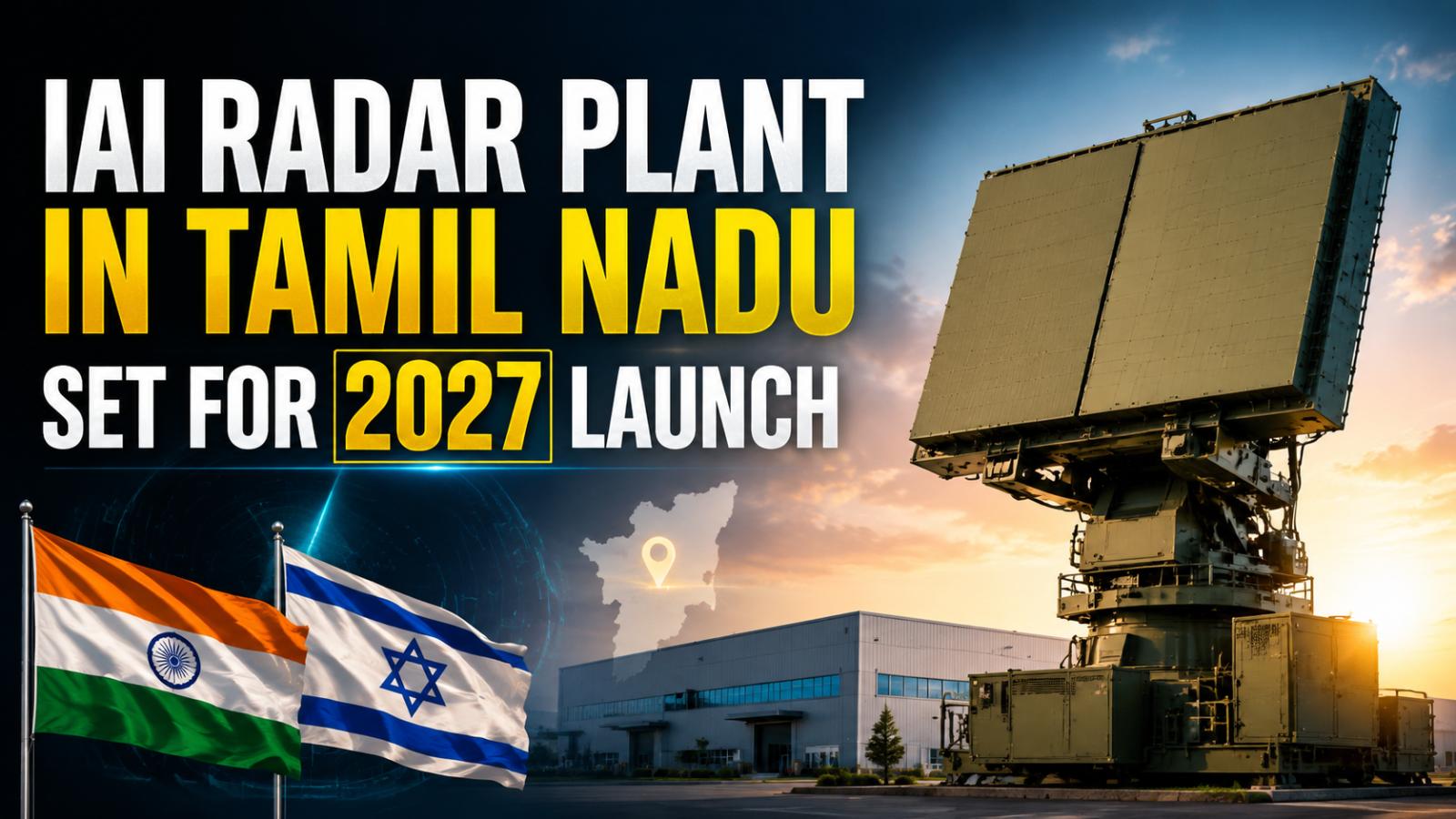
A new defence manufacturing project is taking shape in Tamil Nadu, where an advanced radar production and integration facility is planned to go operational by 2027. The initiative brings together Israel Aerospace Industries (IAI), DCX Systems, and ELTX Systems Pvt. Ltd., marking a structured push toward localised defence electronics production in India. The upcoming facility is expected to be developed in the Shoolagiri region of Krishnagiri district, an area increasingly positioned as a defence manufacturing cluster. The project reflects a shift from import-heavy procurement to domestic production of high-end radar systems used in surveillance and air defence operations. Strategic push toward domestic defence capability The core objective of the project is to strengthen India’s radar manufacturing ecosystem under the broader Make in India framework. Instead of relying solely on imported systems, the facility aims to support indigenous assembly, integration, and eventual production of advanced radar technologies. These systems are expected to serve multiple defence requirements, including aerial surveillance, threat detection, and battlefield monitoring. The collaboration is also designed to create a supply chain within India for critical electronic defence components, reducing external dependency over time. Role of ELTX Systems and DCX Systems ELTX Systems Pvt. Ltd. is expected to function as the operational platform for technology transfer and local manufacturing. This structure is intended to allow gradual absorption of complex radar design and production capabilities within India. DCX Systems Ltd., which already operates in the defence electronics space, is expected to support integration, manufacturing workflows, and supply chain execution. The collaboration model is focused on moving beyond simple assembly lines toward deeper engineering involvement within India’s defence sector. Industrial cluster development in Krishnagiri The Shoolagiri region is being positioned as part of a wider defence electronics corridor in Tamil Nadu. With multiple private and public collaborations in the pipeline, the area is gradually emerging as a manufacturing node for high-value defence technologies. The radar facility is expected to contribute not only to defence production but also to local industrial growth, including vendor ecosystems, component suppliers, and skilled employment opportunities. While official investment figures vary across early estimates, the project is widely seen as a long-term infrastructure push rather than a short-term manufacturing unit. Long-term impact on India–Israel defence cooperation Israel Aerospace Industries has already established multiple partnerships in India across defence systems, maintenance, and technology collaboration. This radar project adds another layer to that cooperation, focusing specifically on production localisation. By 2027, the facility is expected to play a role in both domestic supply and potential export opportunities, depending on regulatory approvals and production scale. The broader direction indicates a gradual deepening of India’s defence manufacturing independence while maintaining strategic foreign partnerships.
IAI radar unit in Tamil Nadu to begin production by 2027
A new defence manufacturing project is taking shape in Tamil Nadu, where an advanced radar production and integration facility is planned to go operational by 2027. The initiative brings together Israel Aerospace Industries (IAI), DCX Systems, and ELTX Systems Pvt. Ltd., marking a structured push toward localised defence electronics production in India. The upcoming facility is expected to be developed in the Shoolagiri region of Krishnagiri district, an area increasingly positioned as a defence manufacturing cluster. The project reflects a shift from import-heavy procurement to domestic production of high-end radar systems used in surveillance and air defence operations. Strategic push toward domestic defence capability The core objective of the project is to strengthen India’s radar manufacturing ecosystem under the broader Make in India framework. Instead of relying solely on imported systems, the facility aims to support indigenous assembly, integration, and eventual production of advanced radar technologies. These systems are expected to serve multiple defence requirements, including aerial surveillance, threat detection, and battlefield monitoring. The collaboration is also designed to create a supply chain within India for critical electronic defence components, reducing external dependency over time. Role of ELTX Systems and DCX Systems ELTX Systems Pvt. Ltd. is expected to function as the operational platform for technology transfer and local manufacturing. This structure is intended to allow gradual absorption of complex radar design and production capabilities within India. DCX Systems Ltd., which already operates in the defence electronics space, is expected to support integration, manufacturing workflows, and supply chain execution. The collaboration model is focused on moving beyond simple assembly lines toward deeper engineering involvement within India’s defence sector. Industrial cluster development in Krishnagiri The Shoolagiri region is being positioned as part of a wider defence electronics corridor in Tamil Nadu. With multiple private and public collaborations in the pipeline, the area is gradually emerging as a manufacturing node for high-value defence technologies. The radar facility is expected to contribute not only to defence production but also to local industrial growth, including vendor ecosystems, component suppliers, and skilled employment opportunities. While official investment figures vary across early estimates, the project is widely seen as a long-term infrastructure push rather than a short-term manufacturing unit. Long-term impact on India–Israel defence cooperation Israel Aerospace Industries has already established multiple partnerships in India across defence systems, maintenance, and technology collaboration. This radar project adds another layer to that cooperation, focusing specifically on production localisation. By 2027, the facility is expected to play a role in both domestic supply and potential export opportunities, depending on regulatory approvals and production scale. The broader direction indicates a gradual deepening of India’s defence manufacturing independence while maintaining strategic foreign partnerships.
DRDO Tests BMD Shield And Naval Strike Missile
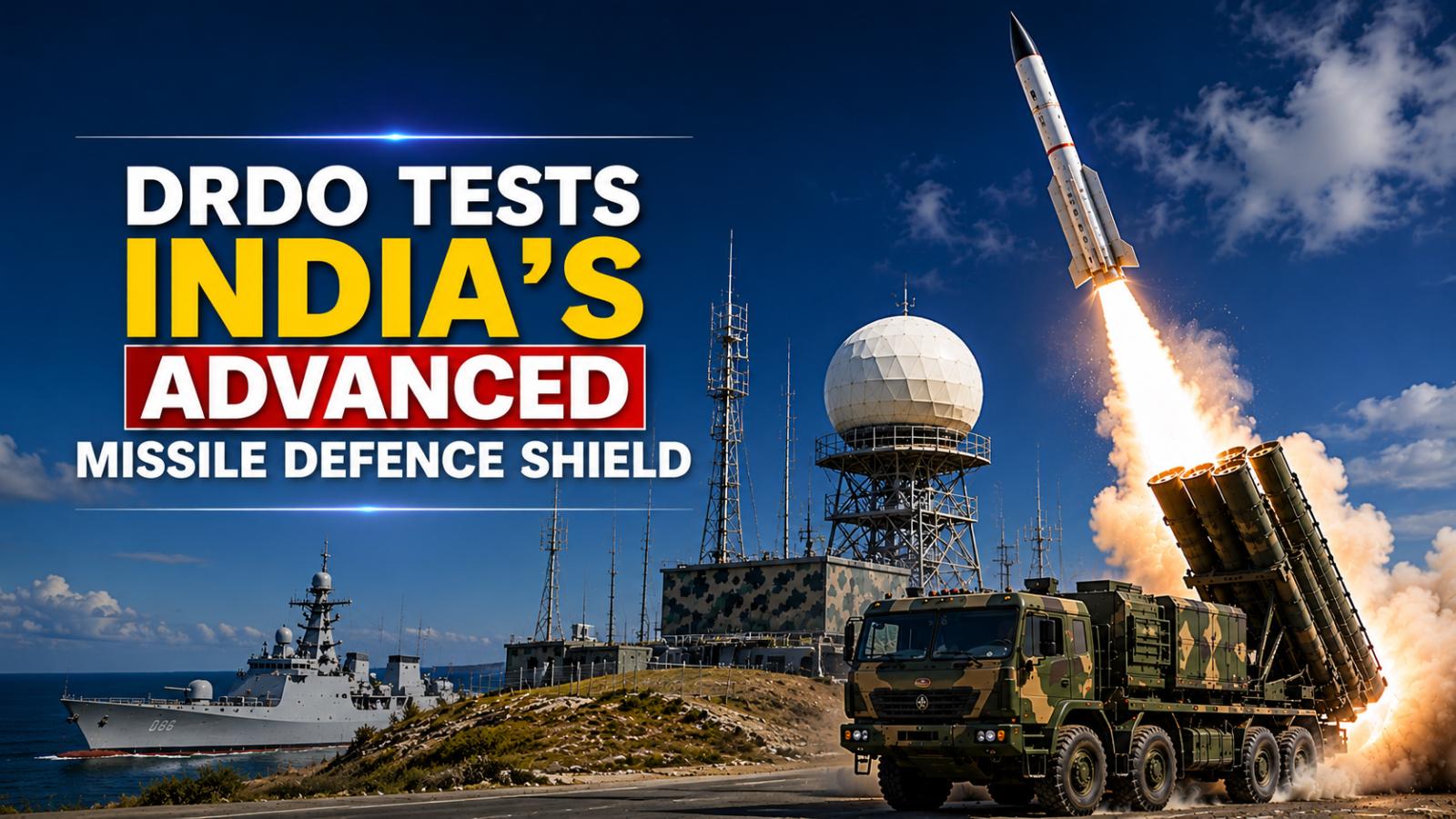
India has achieved a major milestone in defence technology after the Defence Research and Development Organisation successfully tested a multi-layered Ballistic Missile Defence system and conducted the maiden flight test of the Naval Anti-Ship Missile-Medium Range. The successful trials are being seen as a strong boost to India’s indigenous defence programme and long-term strategic preparedness. According to the Ministry of Defence, the

DRDO Tests BMD Shield And Naval Strike Missile
India has achieved a major milestone in defence technology after the Defence Research and Development Organisation successfully tested a multi-layered Ballistic Missile Defence system and conducted the maiden flight test of the Naval Anti-Ship Missile-Medium Range. The successful trials are being seen as a strong boost to India’s indigenous defence programme and long-term strategic preparedness. According to the Ministry of Defence, the

BrahMos System Boosts India’s Defense Exports in Southeast Asia
India’s BrahMos coastal defense system is becoming a key part of the country’s rise as a defense exporter, as several Asian nations look for stronger maritime protection. India’s defense exports reached a record Rs 38,424 crore in fiscal year 2025-26, according to the figures provided in the article. That was Rs 14,802 crore higher than the previous fiscal year, a rise of 62.66 percent. BrahMos Coastal Defense System Draws Southeast Asian Interest
BrahMos System Boosts India’s Defense Exports in Southeast Asia
India’s BrahMos coastal defense system is becoming a key part of the country’s rise as a defense exporter, as several Asian nations look for stronger maritime protection. India’s defense exports reached a record Rs 38,424 crore in fiscal year 2025-26, according to the figures provided in the article. That was Rs 14,802 crore higher than the previous fiscal year, a rise of 62.66 percent. BrahMos Coastal Defense System Draws Southeast Asian Interest
BRICS DRR Summit in Puri Strengthens Global Disaster Resilience Cooperation
BRICS DRR Meet 2026: Strengthening Global Disaster Resilience The second technical meeting of the BRICS Disaster Risk Reduction (DRR) Working Group commenced on Wednesday in Puri, Odisha, bringing together high-level delegates from 11 nations under India’s 2026 BRICS Presidency. Representatives from Brazil, Russia, India, China, South Africa, Saudi Arabia, Egypt, the United Arab Emirates, Ethiopia, Iran, and Indonesia are participating in the three-day deliberatio
BRICS DRR Summit in Puri Strengthens Global Disaster Resilience Cooperation
BRICS DRR Meet 2026: Strengthening Global Disaster Resilience The second technical meeting of the BRICS Disaster Risk Reduction (DRR) Working Group commenced on Wednesday in Puri, Odisha, bringing together high-level delegates from 11 nations under India’s 2026 BRICS Presidency. Representatives from Brazil, Russia, India, China, South Africa, Saudi Arabia, Egypt, the United Arab Emirates, Ethiopia, Iran, and Indonesia are participating in the three-day deliberatio
Merlin Labs Tests AI Flight System to Assist Pilots and Reduce Cockpit Workload
Artificial intelligence is slowly moving from phones, offices and cars into one of the most sensitive areas of modern transport: aviation. Merlin Labs, a US-based aviation technology company, has tested an AI flight system known as Merlin Pilot during an experimental aircraft demonstration. The system is not designed to remove pilots from aircraft. Instead, it is being developed to assist trained pilots by handling selected flight-related tasks after proper approval. This makes the test important because aviation is already dealing with growing pilot workload, pressure on air traffic control systems and a rising need for smarter safety tools. What happened during the Merlin Pilot test During the demonstration, a trained test pilot remained inside the aircraft and continued to supervise the flight. The AI system handled certain approved tasks, including responding to instructions and helping adjust the aircraft’s course. The aircraft used for the test was marked as experimental. This means it was used for research and testing, not for regular passenger service. That point matters because AI-assisted aviation is still in a careful development stage. Commercial passenger flights without pilots are not expected anytime soon. The test showed how AI could become a useful cockpit assistant, especially in situations where pilots need to process several instructions quickly and accurately. How Merlin Pilot helps pilots Merlin Pilot uses natural language flight control. In simple terms, it can listen to spoken instructions, understand the meaning and help the aircraft respond based on approved commands. This kind of system could reduce repetitive workload for pilots. For example, during busy flight operations, pilots must listen to air traffic control, confirm instructions, monitor instruments, adjust the aircraft and stay alert for unexpected situations. An AI pilot assistant could help manage routine actions while the human pilot focuses on judgment, safety and decision-making. This is where AI has real value. The strongest use case is not replacing humans, but reducing pressure on them. Why this matters for aviation The aviation industry is facing serious challenges. Pilot shortages, increasing air traffic and pressure on air traffic controllers are creating demand for better support systems. AI flight automation could help improve efficiency if it is introduced carefully and safely. A system like Merlin Pilot may help pilots handle communication, navigation-related tasks and routine cockpit actions. It may also help reduce errors caused by fatigue or workload overload. But aviation cannot afford blind trust in technology. Any AI system used in aircraft must be tested deeply, monitored closely and approved by regulators before it becomes part of normal flight operations. Can AI replace pilots? No, not in the near future. Passenger aviation still depends on trained pilots for safety, responsibility and emergency decision-making. AI can process information quickly, but it does not replace human experience, accountability and real-world judgment. Aviation safety depends on people who can respond to unexpected problems. Weather changes, technical failures, passenger emergencies and unusual flight conditions still require human decision-making. That is why AI systems like Merlin Pilot are currently better understood as pilot support tools, not pilot replacements. The most practical future is a cockpit where humans and AI work together. AI and air traffic control AI is also being discussed in air traffic control modernization. Busy airports and crowded airspace require faster communication and better coordination. Artificial intelligence could help organize information, detect possible conflicts and support controllers in managing traffic more efficiently. However, just like in the cockpit, AI should assist human controllers rather than replace them. Air traffic control involves real-time decisions, safety responsibility and human coordination. AI can help with speed and accuracy, but final responsibility must remain with trained professionals. What this means for passengers For passengers, AI-assisted aviation could eventually mean smoother flights, better route management and improved safety support. If AI can reduce pilot workload and help avoid communication errors, it may become a valuable part of future aircraft systems. But passengers should not assume pilotless commercial planes are coming soon. The safer and more realistic direction is AI-supported flying, where pilots remain in command and technology works in the background to assist them. The future of AI-assisted aviation The Merlin Pilot test shows where aviation technology may be heading. AI could become part of the cockpit, helping pilots manage routine tasks, understand commands and respond faster during busy operations. Still, the future of AI in aviation will depend on trust, testing, regulation and safety performance. Aircraft systems must prove they can work reliably in real-world conditions before they are used widely. For now, Merlin Pilot represents an important step toward AI-assisted aviation. It shows that artificial intelligence may help reduce pilot workload and support safer flight operations, but the human pilot remains the most important decision-maker in the cockpit.
Merlin Labs Tests AI Flight System to Assist Pilots and Reduce Cockpit Workload
Artificial intelligence is slowly moving from phones, offices and cars into one of the most sensitive areas of modern transport: aviation. Merlin Labs, a US-based aviation technology company, has tested an AI flight system known as Merlin Pilot during an experimental aircraft demonstration. The system is not designed to remove pilots from aircraft. Instead, it is being developed to assist trained pilots by handling selected flight-related tasks after proper approval. This makes the test important because aviation is already dealing with growing pilot workload, pressure on air traffic control systems and a rising need for smarter safety tools. What happened during the Merlin Pilot test During the demonstration, a trained test pilot remained inside the aircraft and continued to supervise the flight. The AI system handled certain approved tasks, including responding to instructions and helping adjust the aircraft’s course. The aircraft used for the test was marked as experimental. This means it was used for research and testing, not for regular passenger service. That point matters because AI-assisted aviation is still in a careful development stage. Commercial passenger flights without pilots are not expected anytime soon. The test showed how AI could become a useful cockpit assistant, especially in situations where pilots need to process several instructions quickly and accurately. How Merlin Pilot helps pilots Merlin Pilot uses natural language flight control. In simple terms, it can listen to spoken instructions, understand the meaning and help the aircraft respond based on approved commands. This kind of system could reduce repetitive workload for pilots. For example, during busy flight operations, pilots must listen to air traffic control, confirm instructions, monitor instruments, adjust the aircraft and stay alert for unexpected situations. An AI pilot assistant could help manage routine actions while the human pilot focuses on judgment, safety and decision-making. This is where AI has real value. The strongest use case is not replacing humans, but reducing pressure on them. Why this matters for aviation The aviation industry is facing serious challenges. Pilot shortages, increasing air traffic and pressure on air traffic controllers are creating demand for better support systems. AI flight automation could help improve efficiency if it is introduced carefully and safely. A system like Merlin Pilot may help pilots handle communication, navigation-related tasks and routine cockpit actions. It may also help reduce errors caused by fatigue or workload overload. But aviation cannot afford blind trust in technology. Any AI system used in aircraft must be tested deeply, monitored closely and approved by regulators before it becomes part of normal flight operations. Can AI replace pilots? No, not in the near future. Passenger aviation still depends on trained pilots for safety, responsibility and emergency decision-making. AI can process information quickly, but it does not replace human experience, accountability and real-world judgment. Aviation safety depends on people who can respond to unexpected problems. Weather changes, technical failures, passenger emergencies and unusual flight conditions still require human decision-making. That is why AI systems like Merlin Pilot are currently better understood as pilot support tools, not pilot replacements. The most practical future is a cockpit where humans and AI work together. AI and air traffic control AI is also being discussed in air traffic control modernization. Busy airports and crowded airspace require faster communication and better coordination. Artificial intelligence could help organize information, detect possible conflicts and support controllers in managing traffic more efficiently. However, just like in the cockpit, AI should assist human controllers rather than replace them. Air traffic control involves real-time decisions, safety responsibility and human coordination. AI can help with speed and accuracy, but final responsibility must remain with trained professionals. What this means for passengers For passengers, AI-assisted aviation could eventually mean smoother flights, better route management and improved safety support. If AI can reduce pilot workload and help avoid communication errors, it may become a valuable part of future aircraft systems. But passengers should not assume pilotless commercial planes are coming soon. The safer and more realistic direction is AI-supported flying, where pilots remain in command and technology works in the background to assist them. The future of AI-assisted aviation The Merlin Pilot test shows where aviation technology may be heading. AI could become part of the cockpit, helping pilots manage routine tasks, understand commands and respond faster during busy operations. Still, the future of AI in aviation will depend on trust, testing, regulation and safety performance. Aircraft systems must prove they can work reliably in real-world conditions before they are used widely. For now, Merlin Pilot represents an important step toward AI-assisted aviation. It shows that artificial intelligence may help reduce pilot workload and support safer flight operations, but the human pilot remains the most important decision-maker in the cockpit.
Chicago Science Museum Weighs Long-Term Return to Free Admission
Chicago’s Museum of Science and Industry is exploring a long-term plan to restore free admission, a move that could expand public access to one of the city’s most recognized cultural institutions. Museum CEO Dr. Chevy Humphrey said the idea remains in its early stages, but the goal is to gradually reduce financial barriers for families, students, and community visitors. Chicago Science Museum Free Admission Plan Under Review The museum bega
Chicago Science Museum Weighs Long-Term Return to Free Admission
Chicago’s Museum of Science and Industry is exploring a long-term plan to restore free admission, a move that could expand public access to one of the city’s most recognized cultural institutions. Museum CEO Dr. Chevy Humphrey said the idea remains in its early stages, but the goal is to gradually reduce financial barriers for families, students, and community visitors. Chicago Science Museum Free Admission Plan Under Review The museum bega