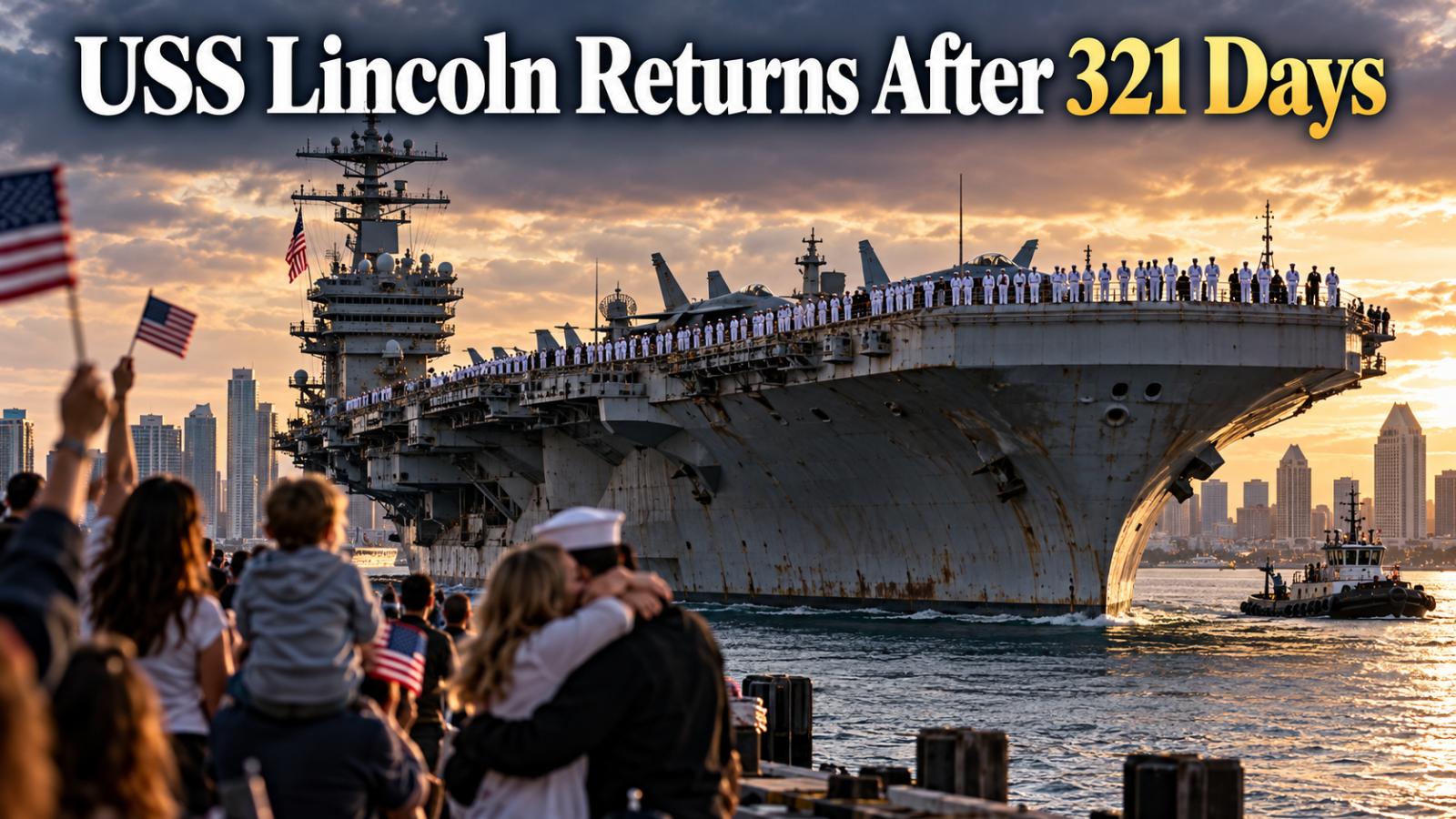
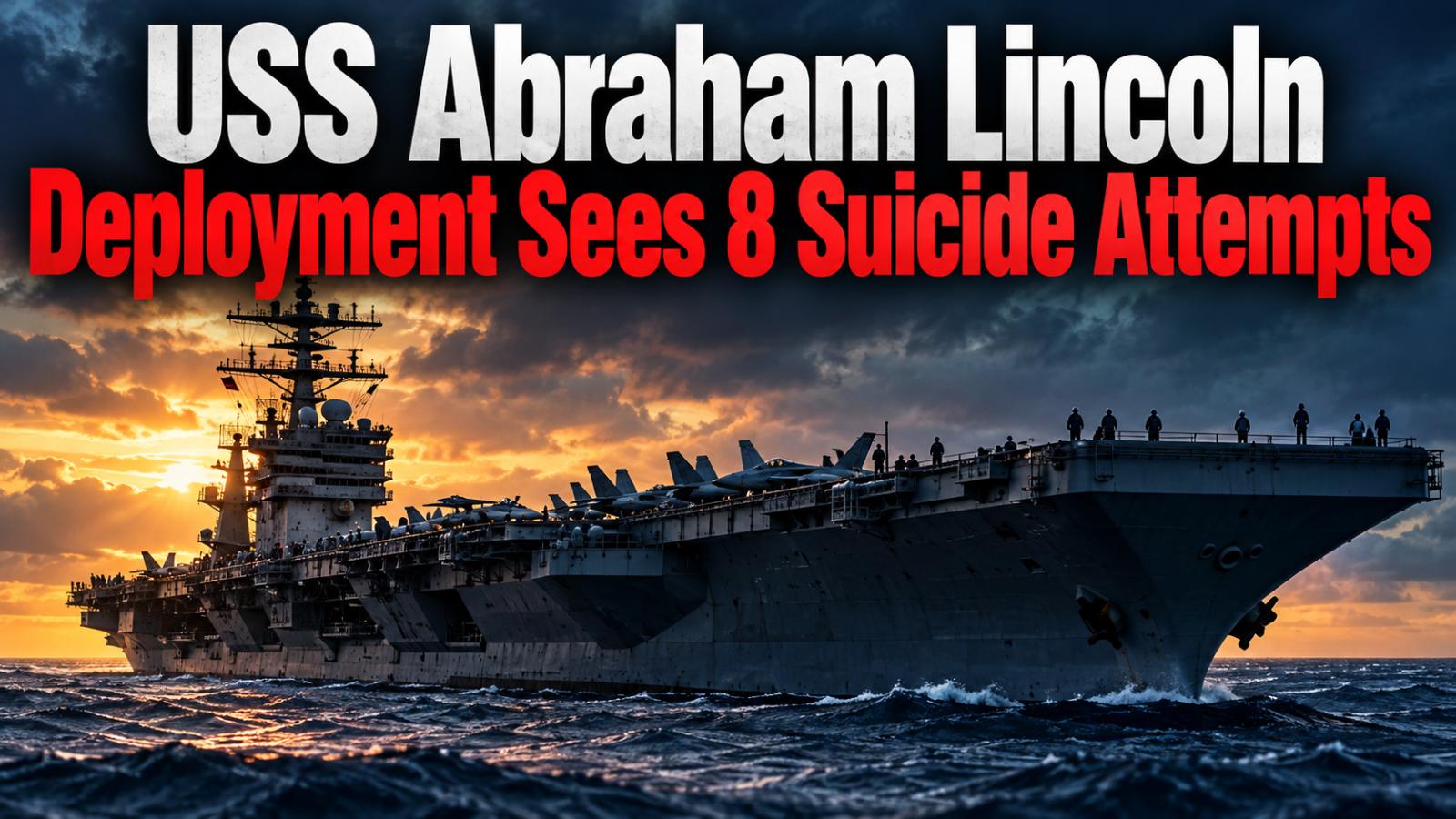
The USS Lincoln 321-day deployment ended in San Diego on October 8, 2026, after months of US military operations against Iran. The homecoming brought relief to families but also renewed concerns over eight reported suicide attempts, food supplies and sailors' mental health.
USS Lincoln Homecoming Ends Record Deployment
The USS Abraham Lincoln returned
The USS Lincoln 321-day deployment ended in San Diego on October 8, 2026, after months of US military operations against Iran. The homecoming brought relief to families but also renewed concerns over eight reported suicide attempts, food supplies and sailors' mental health.
USS Lincoln Homecoming Ends Record Deployment
The USS Abraham Lincoln returned
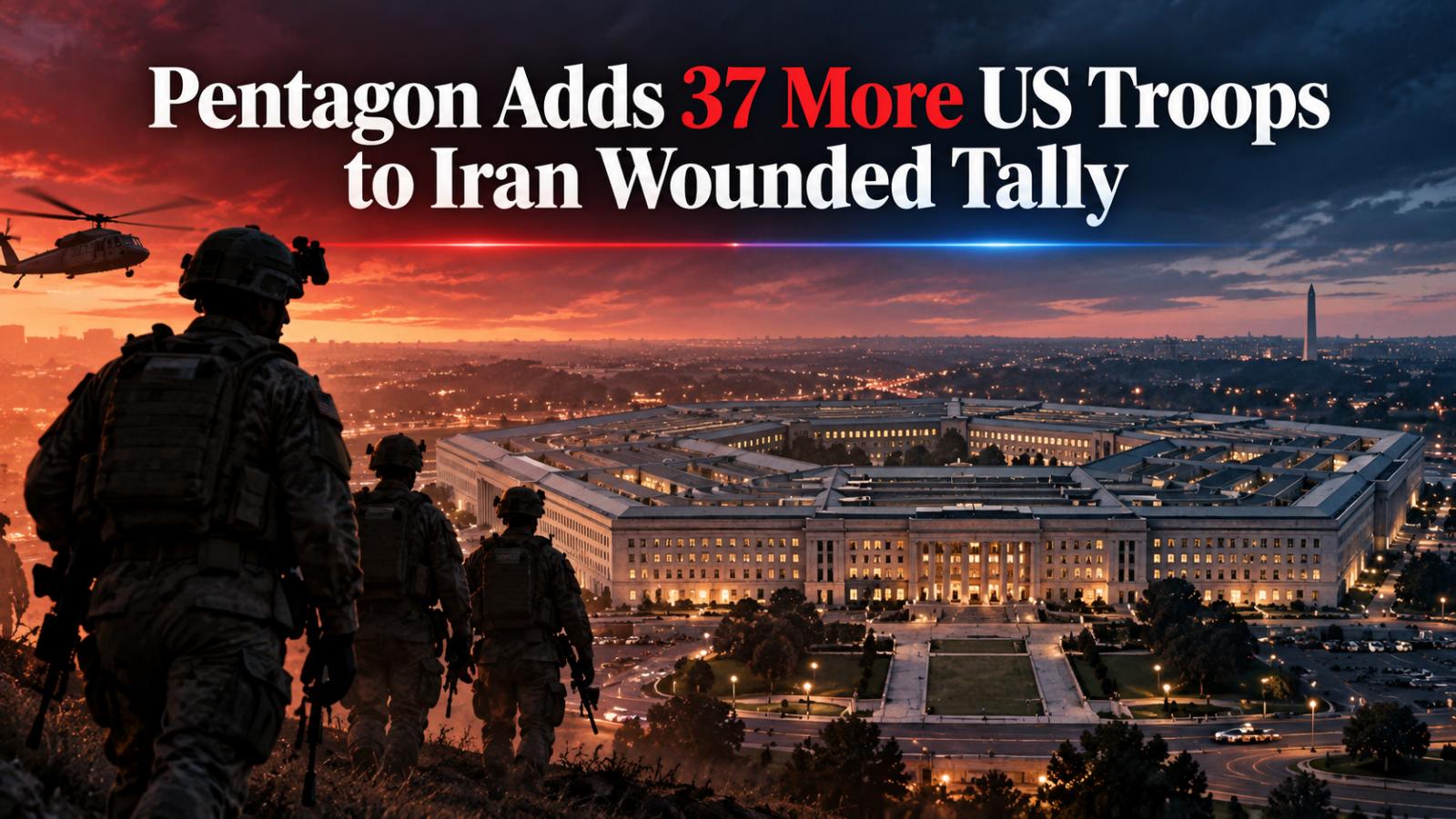
The latest Iran casualty update shows the Pentagon’s public wounded count rising by 37 service members, taking the recorded total to 861. The additions include Navy and Marine personnel, while the DCAS data does not publicly explain when or how the newly listed injuries occurred.
Navy toll rises with 29 sailors added
The latest change includes 29 Navy sailors. A Navy official said the sailors
The latest Iran casualty update shows the Pentagon’s public wounded count rising by 37 service members, taking the recorded total to 861. The additions include Navy and Marine personnel, while the DCAS data does not publicly explain when or how the newly listed injuries occurred.
Navy toll rises with 29 sailors added
The latest change includes 29 Navy sailors. A Navy official said the sailors
The USS Abraham Lincoln carrier strike group recorded eight suicide attempts during its prolonged deployment, Acting Navy Secretary Hung Cao has told Senator Kirsten Gillibrand. The disclosure has renewed scrutiny of Navy mental health support, crew welfare and the pressures created by an unusually long deployment that included combat operations connected to the Iran war.
Cao said the eight cases involved personnel from across the strike group, including the
The USS Abraham Lincoln carrier strike group recorded eight suicide attempts during its prolonged deployment, Acting Navy Secretary Hung Cao has told Senator Kirsten Gillibrand. The disclosure has renewed scrutiny of Navy mental health support, crew welfare and the pressures created by an unusually long deployment that included combat operations connected to the Iran war.
Cao said the eight cases involved personnel from across the strike group, including the
Trump Korea drill cuts have changed the scale of one of Washington’s most important military exercises in Asia. President Donald Trump ordered the Pentagon to sharply reduce US participation in drills with South Korea, citing their cost and his effort to reopen diplomacy with North Korean leader Kim Jong Un.
ROK drills reduced after Trump order
Trump Korea drill cuts have changed the scale of one of Washington’s most important military exercises in Asia. President Donald Trump ordered the Pentagon to sharply reduce US participation in drills with South Korea, citing their cost and his effort to reopen diplomacy with North Korean leader Kim Jong Un.
ROK drills reduced after Trump order
US President Donald Trump has ordered a substantial reduction in US participation in joint military exercises with South Korea, citing their cost and his relationship with North Korean leader Kim Jong Un. Seoul, however, says the Ulchi Freedom Shield exercise has begun as scheduled.
US-South Korea drills face Trump-ordered reduction
Trump
US President Donald Trump has ordered a substantial reduction in US participation in joint military exercises with South Korea, citing their cost and his relationship with North Korean leader Kim Jong Un. Seoul, however, says the Ulchi Freedom Shield exercise has begun as scheduled.
US-South Korea drills face Trump-ordered reduction
Trump
The US Army missile stockpile has reportedly declined after extensive Iran war missile use, raising concerns over the ATACMS stockpile shortage, PrSM missile shortage, and overall US military readiness. Officials are now focused on rebuilding long-range precision missile inventories while maintaining global defense capabilities.
US Army Missile Stockpile Depleted During Iran War
The US Army missile stock
The US Army missile stockpile has reportedly declined after extensive Iran war missile use, raising concerns over the ATACMS stockpile shortage, PrSM missile shortage, and overall US military readiness. Officials are now focused on rebuilding long-range precision missile inventories while maintaining global defense capabilities.
US Army Missile Stockpile Depleted During Iran War
The US Army missile stock
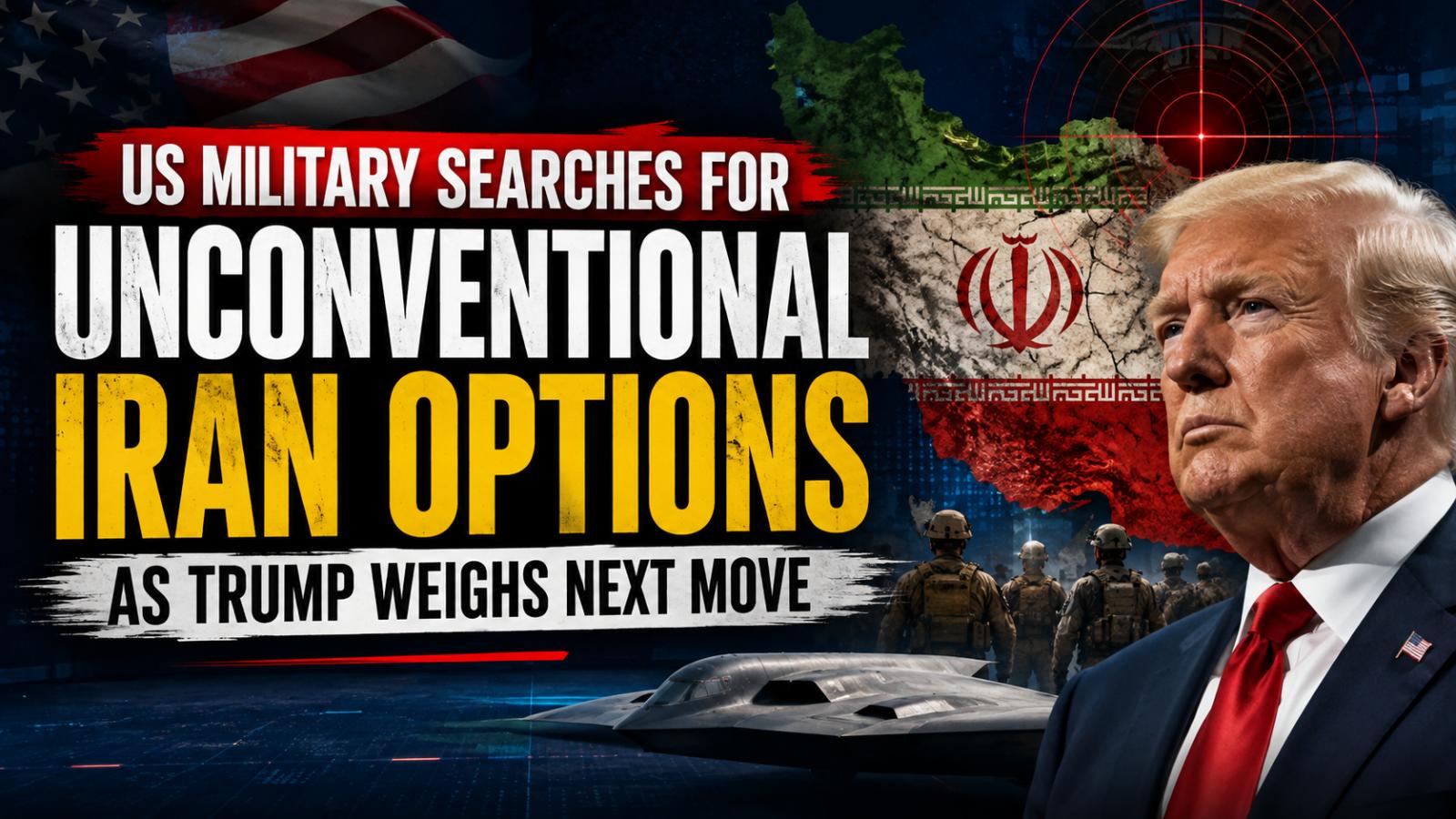
US Military Seeks Unconventional Iran Pressure Options
US Iran military options are reportedly under review as CENTCOM seeks creative ways to pressure Tehran without launching a ground war. The strategy search comes as Trump alternates between strike threats and diplomacy over Iran’s nuclear sites and the Strait of Hormuz.
CENTCOM Iran Strategy
The US military has
US Military Seeks Unconventional Iran Pressure Options
US Iran military options are reportedly under review as CENTCOM seeks creative ways to pressure Tehran without launching a ground war. The strategy search comes as Trump alternates between strike threats and diplomacy over Iran’s nuclear sites and the Strait of Hormuz.
CENTCOM Iran Strategy
The US military has
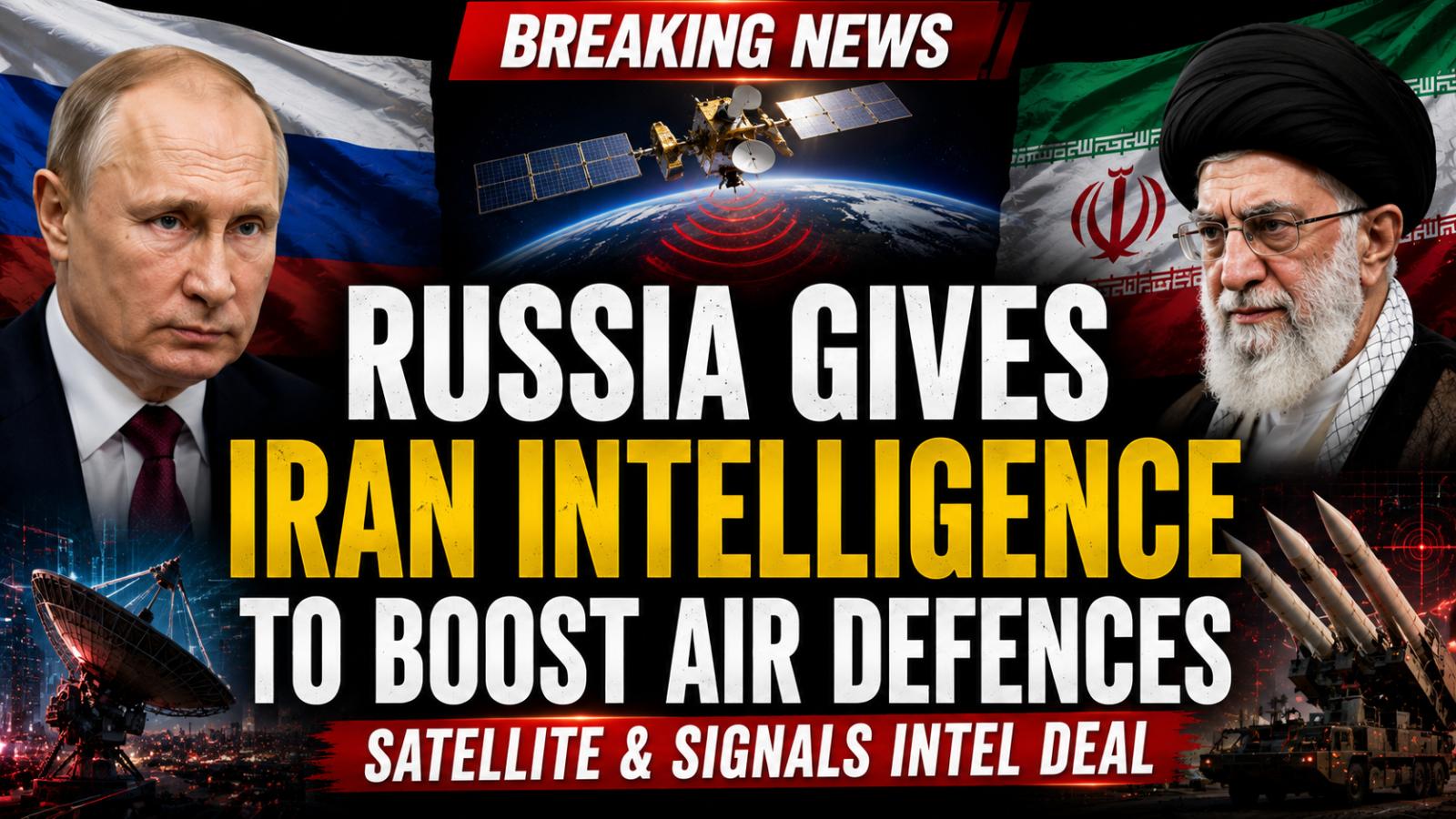
Russia is reportedly providing Iran with satellite surveillance and signals intelligence that could strengthen Tehran’s air defences, protect military assets and improve the accuracy of its drone and missile operations. The claims come from US and European officials, but neither Moscow nor Tehran has confirmed the alleged cooperation.
Russian Satellite Data May Strengthen Iran Air Defence
Off
Russia is reportedly providing Iran with satellite surveillance and signals intelligence that could strengthen Tehran’s air defences, protect military assets and improve the accuracy of its drone and missile operations. The claims come from US and European officials, but neither Moscow nor Tehran has confirmed the alleged cooperation.
Russian Satellite Data May Strengthen Iran Air Defence
Off
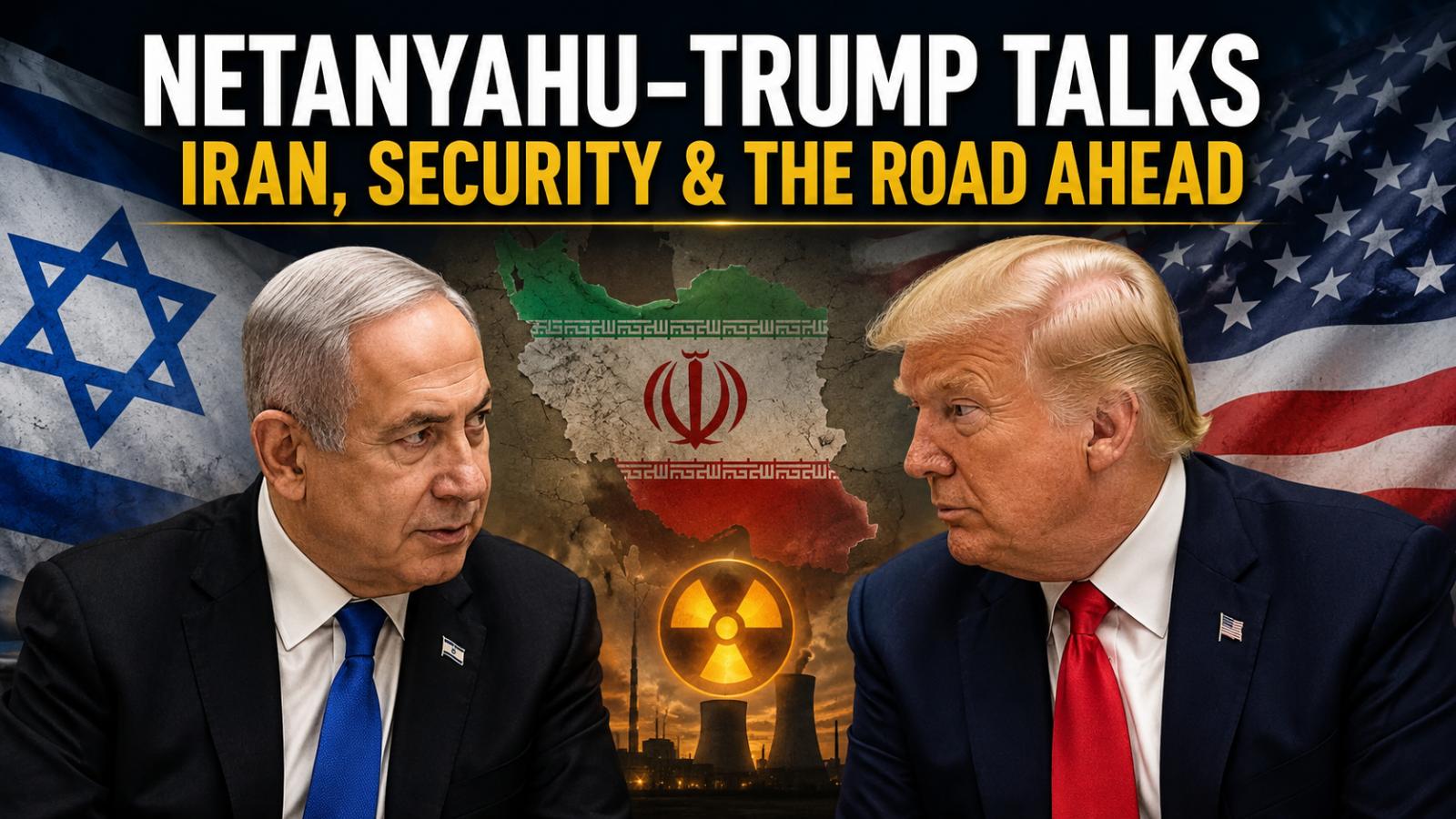
The Netanyahu Trump Iran talks placed Tehran’s nuclear programme at the centre of a wider discussion covering Syria, a proposed Saudi nuclear deal and future US aid to Israel. The 90-minute White House meeting came as both governments assessed diplomatic, economic and military options following the Iran war.
White House Talks Rebuild Strategic Coordination
Israeli Prime Minister Benjamin Neta
The Netanyahu Trump Iran talks placed Tehran’s nuclear programme at the centre of a wider discussion covering Syria, a proposed Saudi nuclear deal and future US aid to Israel. The 90-minute White House meeting came as both governments assessed diplomatic, economic and military options following the Iran war.
White House Talks Rebuild Strategic Coordination
Israeli Prime Minister Benjamin Neta
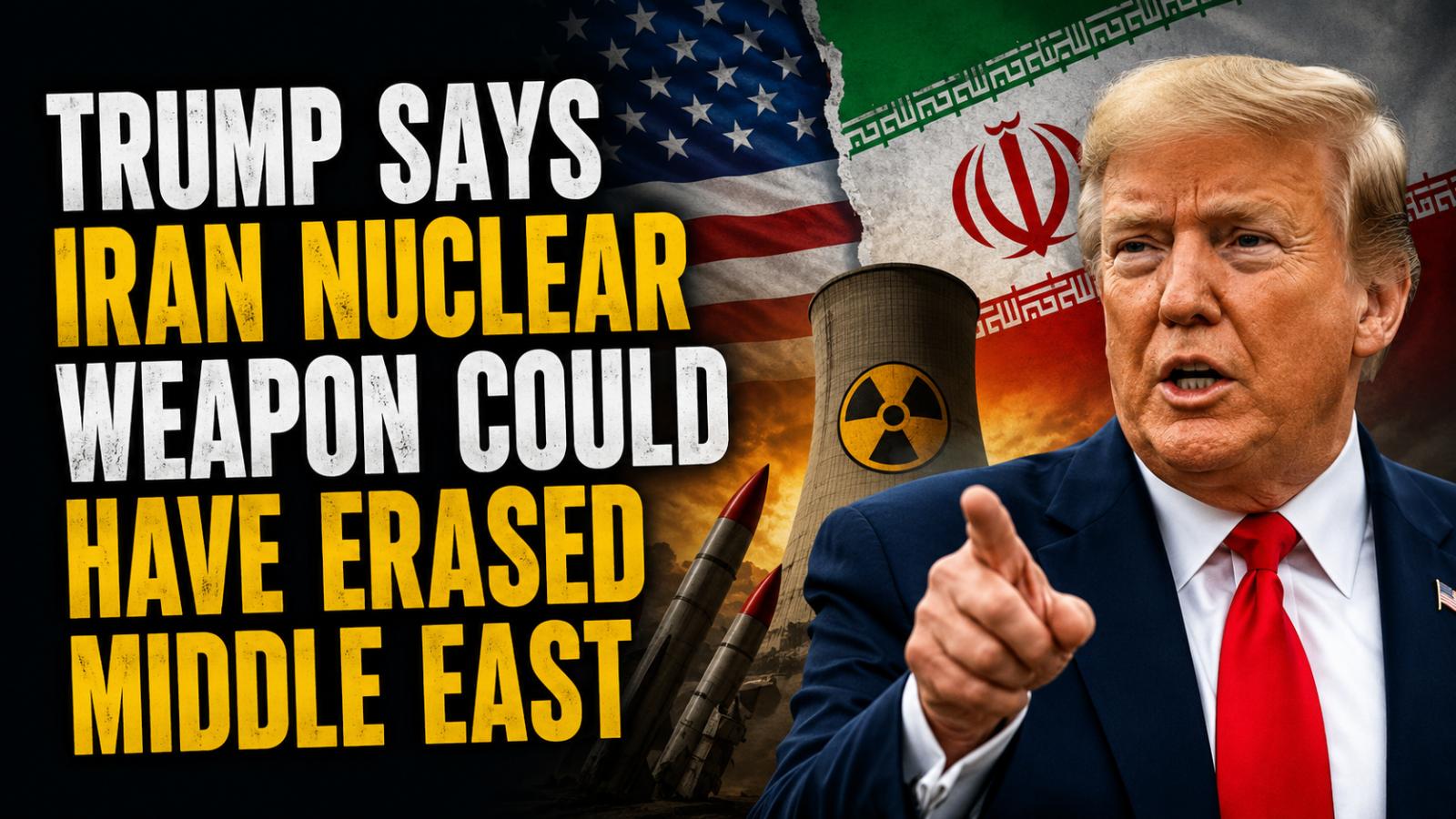
President Donald Trump said ongoing Trump Iran nuclear talks could still produce an agreement, but warned that Washington may take further military action if diplomacy fails. He argued that an Iranian nuclear weapon would have placed the entire Middle East at severe risk.
Trump warning focuses on Iran’s nuclear ambitions
Speaking to reporters on Friday, July 24, Trump defended his administrat
President Donald Trump said ongoing Trump Iran nuclear talks could still produce an agreement, but warned that Washington may take further military action if diplomacy fails. He argued that an Iranian nuclear weapon would have placed the entire Middle East at severe risk.
Trump warning focuses on Iran’s nuclear ambitions
Speaking to reporters on Friday, July 24, Trump defended his administrat
Iran warns of a severe response to US infrastructure strikes after President Donald Trump threatened to target bridges and power plants if Tehran attacks vessels in the Strait of Hormuz. The exchange marks another sharp escalation in tensions between Washington and Tehran, raising concerns over regional security and global energy supplies.
Trump threatens Iranian infrastructure attacks
The war
Iran warns of a severe response to US infrastructure strikes after President Donald Trump threatened to target bridges and power plants if Tehran attacks vessels in the Strait of Hormuz. The exchange marks another sharp escalation in tensions between Washington and Tehran, raising concerns over regional security and global energy supplies.
Trump threatens Iranian infrastructure attacks
The war
Iran says the US military campaign delivered no strategic gains, as Deputy Foreign Minister Kazem Gharibabadi urges Europe to defend international law and warns that states supporting attacks could deepen regional instability.
Iran says US war brought no gains
Iran’s Deputy Foreign Minister Kazem Gharibabadi said the United States had secured no strategic gains from its military campaign agai
Iran says the US military campaign delivered no strategic gains, as Deputy Foreign Minister Kazem Gharibabadi urges Europe to defend international law and warns that states supporting attacks could deepen regional instability.
Iran says US war brought no gains
Iran’s Deputy Foreign Minister Kazem Gharibabadi said the United States had secured no strategic gains from its military campaign agai
US launches 12th consecutive strikes on Iranian military targets as CENTCOM expands its military campaign against Iran under President Donald Trump's direction. The latest operation aims to reduce threats to commercial vessels and regional maritime security while tensions between Washington and Tehran continue to rise.
US military campaign against Iran continu
US launches 12th consecutive strikes on Iranian military targets as CENTCOM expands its military campaign against Iran under President Donald Trump's direction. The latest operation aims to reduce threats to commercial vessels and regional maritime security while tensions between Washington and Tehran continue to rise.
US military campaign against Iran continu
The Trump administration's handling of the Iran conflict came under intense scrutiny during a Senate hearing after a heated confrontation between Senator Gary Peters and Defence Secretary Pete Hegseth. The exchange quickly became the hearing's defining moment as lawmakers debated military strategy, troop support and billions of dollars in additional defence spending. The hearing also examined whether the administration has a clear long-term plan for the
The Trump administration's handling of the Iran conflict came under intense scrutiny during a Senate hearing after a heated confrontation between Senator Gary Peters and Defence Secretary Pete Hegseth. The exchange quickly became the hearing's defining moment as lawmakers debated military strategy, troop support and billions of dollars in additional defence spending. The hearing also examined whether the administration has a clear long-term plan for the
US military readiness for a possible wider Iran conflict is facing increased scrutiny as officials and defence experts warn about shrinking missile stockpiles, operational challenges and Pentagon concerns. The debate comes as President Donald Trump signals that US military objectives in Iran remain incomplete.
US Military Readiness for Iran War Faces Growing Concerns
US military readiness for a possible wider Iran conflict is facing increased scrutiny as officials and defence experts warn about shrinking missile stockpiles, operational challenges and Pentagon concerns. The debate comes as President Donald Trump signals that US military objectives in Iran remain incomplete.
US Military Readiness for Iran War Faces Growing Concerns
The US military campaign against Iran now carries an estimated cost of $37.5 billion, according to Defence Secretary Pete Hegseth. The updated figure includes projected expenses through September as the Pentagon seeks additional funding while defending the effectiveness of operations against Iran before Congress.
US Military Campaign Against Iran Costs $37.5 Billion
The US military campaign against Iran now carries an estimated cost of $37.5 billion, according to Defence Secretary Pete Hegseth. The updated figure includes projected expenses through September as the Pentagon seeks additional funding while defending the effectiveness of operations against Iran before Congress.
US Military Campaign Against Iran Costs $37.5 Billion
US Iran strikes enter 10th night as Washington continues military operations targeting Iranian capabilities linked to the Strait of Hormuz while diplomatic talks between both countries remain active. The latest developments highlight a dual strategy of military pressure and continued negotiations amid rising regional tensions.
US Iran Strikes Enter 10th Night as Talk
US Iran strikes enter 10th night as Washington continues military operations targeting Iranian capabilities linked to the Strait of Hormuz while diplomatic talks between both countries remain active. The latest developments highlight a dual strategy of military pressure and continued negotiations amid rising regional tensions.
US Iran Strikes Enter 10th Night as Talk
US airstrikes on Iran continue into a seventh consecutive night as CENTCOM expands its military campaign against Iranian targets. The latest strikes, ordered by the US commander-in-chief, targeted military infrastructure while escalating tensions between Washington and Tehran amid warnings of wider regional instability.
US Airstrikes on Iran Continue for Seven
US airstrikes on Iran continue into a seventh consecutive night as CENTCOM expands its military campaign against Iranian targets. The latest strikes, ordered by the US commander-in-chief, targeted military infrastructure while escalating tensions between Washington and Tehran amid warnings of wider regional instability.
US Airstrikes on Iran Continue for Seven
The United States carried out a new round of military strikes against Iranian targets on July 15, saying the operation was intended to protect commercial shipping passing through the Strait of Hormuz. The latest action adds to growing tensions between Washington and Tehran as one of the world's most important energy corridors remains under close international watch. According to US Central Command, the operation focused on military assets that it said posed a threat to vessels using the strategic waterway.
CENTCOM Iran operation targets maritime threats
US Central Command said the strikes began at 1900 GMT and were directed at Iranian military capabilities allegedly being used to threaten ships transiting through the Strait of Hormuz. In a statement posted on its official X account, CENTCOM said the objective was to safeguard freedom of navigation in the region. The Strait of Hormuz carries nearly 20 percent of global oil supplies, making security in the area a major concern for governments, shipping companies and energy markets worldwide.
The operation comes after weeks of heightened military activity across the Gulf region. Washington has repeatedly stated that maintaining open sea lanes remains a priority as regional tensions continue to increase.
Strait of Hormuz remains global energy focus
The Strait of Hormuz connects the Persian Gulf with the Arabian Sea and serves as one of the world's busiest maritime routes. Any disruption can quickly affect international oil prices, shipping costs and supply chains. Energy analysts continue to monitor developments closely as uncertainty grows over future military actions in the region.
Global governments have also urged restraint, warning that prolonged conflict could have significant economic consequences beyond the Middle East.
Iran blasts reported in Ahvaz and Chabahar
As the US operation unfolded, Iran's semi-official Mehr News Agency reported explosions in several locations. Blasts were heard in Ahvaz in southwestern Iran, although the exact source was not immediately confirmed. Mehr also reported three explosions in the southeastern port city of Chabahar.
Iranian authorities had not officially confirmed the cause of the explosions or released information regarding casualties at the time of reporting. Independent verification of the incidents also remained unavailable.
Iran Parliament says diplomacy will continue
Iranian Parliament Speaker Mohammad Bagher Ghalibaf said the country would continue diplomatic efforts while maintaining military preparedness. In an official statement, he said Iran had never sought war but must remain ready to defend its national security and strategic interests.
Ghalibaf accused the United States of attempting to weaken the Islamic Republic and described the current situation as an existential challenge. He argued that relying only on diplomacy or only on military action would be a strategic mistake, saying both approaches should remain available as the situation develops.
The latest developments highlight the fragile security environment surrounding the Strait of Hormuz. With military operations continuing and diplomatic channels still open, governments and energy markets are expected to monitor events closely. Information in this report is based on official statements from US Central Command, comments released by Iranian parliamentary leadership and reports published by Iran's Mehr News Agency.
Relevant internal links may include your Global News category, US News, Middle East coverage, Oil & Energy news, Geopolitics section, and previous articles covering the Strait of Hormuz, Iran-US relations, and CENTCOM operations.
The United States carried out a new round of military strikes against Iranian targets on July 15, saying the operation was intended to protect commercial shipping passing through the Strait of Hormuz. The latest action adds to growing tensions between Washington and Tehran as one of the world's most important energy corridors remains under close international watch. According to US Central Command, the operation focused on military assets that it said posed a threat to vessels using the strategic waterway.
CENTCOM Iran operation targets maritime threats
US Central Command said the strikes began at 1900 GMT and were directed at Iranian military capabilities allegedly being used to threaten ships transiting through the Strait of Hormuz. In a statement posted on its official X account, CENTCOM said the objective was to safeguard freedom of navigation in the region. The Strait of Hormuz carries nearly 20 percent of global oil supplies, making security in the area a major concern for governments, shipping companies and energy markets worldwide.
The operation comes after weeks of heightened military activity across the Gulf region. Washington has repeatedly stated that maintaining open sea lanes remains a priority as regional tensions continue to increase.
Strait of Hormuz remains global energy focus
The Strait of Hormuz connects the Persian Gulf with the Arabian Sea and serves as one of the world's busiest maritime routes. Any disruption can quickly affect international oil prices, shipping costs and supply chains. Energy analysts continue to monitor developments closely as uncertainty grows over future military actions in the region.
Global governments have also urged restraint, warning that prolonged conflict could have significant economic consequences beyond the Middle East.
Iran blasts reported in Ahvaz and Chabahar
As the US operation unfolded, Iran's semi-official Mehr News Agency reported explosions in several locations. Blasts were heard in Ahvaz in southwestern Iran, although the exact source was not immediately confirmed. Mehr also reported three explosions in the southeastern port city of Chabahar.
Iranian authorities had not officially confirmed the cause of the explosions or released information regarding casualties at the time of reporting. Independent verification of the incidents also remained unavailable.
Iran Parliament says diplomacy will continue
Iranian Parliament Speaker Mohammad Bagher Ghalibaf said the country would continue diplomatic efforts while maintaining military preparedness. In an official statement, he said Iran had never sought war but must remain ready to defend its national security and strategic interests.
Ghalibaf accused the United States of attempting to weaken the Islamic Republic and described the current situation as an existential challenge. He argued that relying only on diplomacy or only on military action would be a strategic mistake, saying both approaches should remain available as the situation develops.
The latest developments highlight the fragile security environment surrounding the Strait of Hormuz. With military operations continuing and diplomatic channels still open, governments and energy markets are expected to monitor events closely. Information in this report is based on official statements from US Central Command, comments released by Iranian parliamentary leadership and reports published by Iran's Mehr News Agency.
Relevant internal links may include your Global News category, US News, Middle East coverage, Oil & Energy news, Geopolitics section, and previous articles covering the Strait of Hormuz, Iran-US relations, and CENTCOM operations.
US Iran Sanctions Expand as Military Strikes Intensify
The United States imposed fresh Iran sanctions on Tuesday, July 14, targeting a major shipping and oil-trading network as American forces launched additional military strikes and moved to resume a naval blockade. The measures combine financial pressure with expanded military action amid a widening conflict involving commercial shipping and the Strait of Hormuz.
US Iran Sanctions Expand as Military Strikes Intensify
The United States imposed fresh Iran sanctions on Tuesday, July 14, targeting a major shipping and oil-trading network as American forces launched additional military strikes and moved to resume a naval blockade. The measures combine financial pressure with expanded military action amid a widening conflict involving commercial shipping and the Strait of Hormuz.