
















Gary Peters Slams Pete Hegseth Over Iran War Strategy
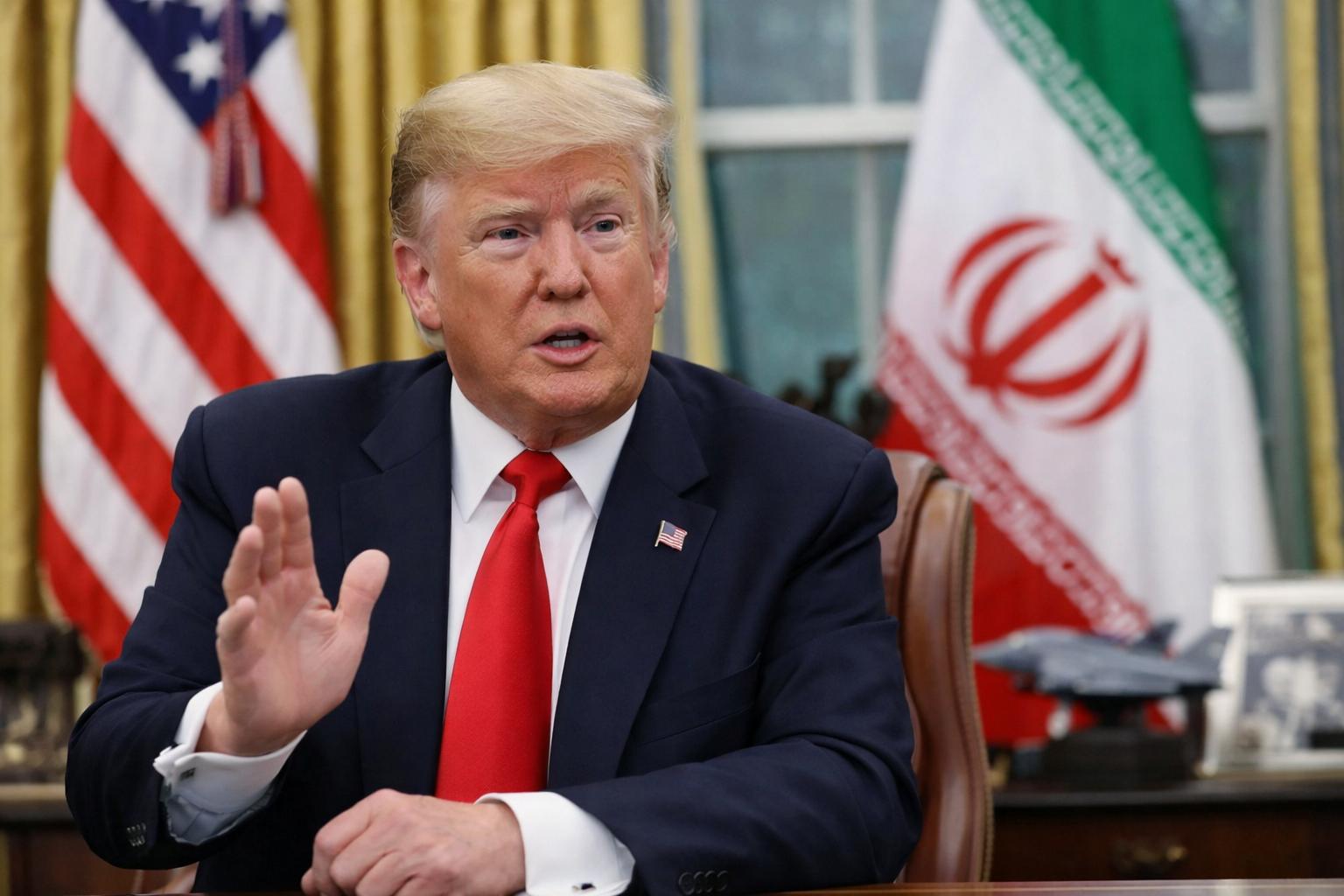
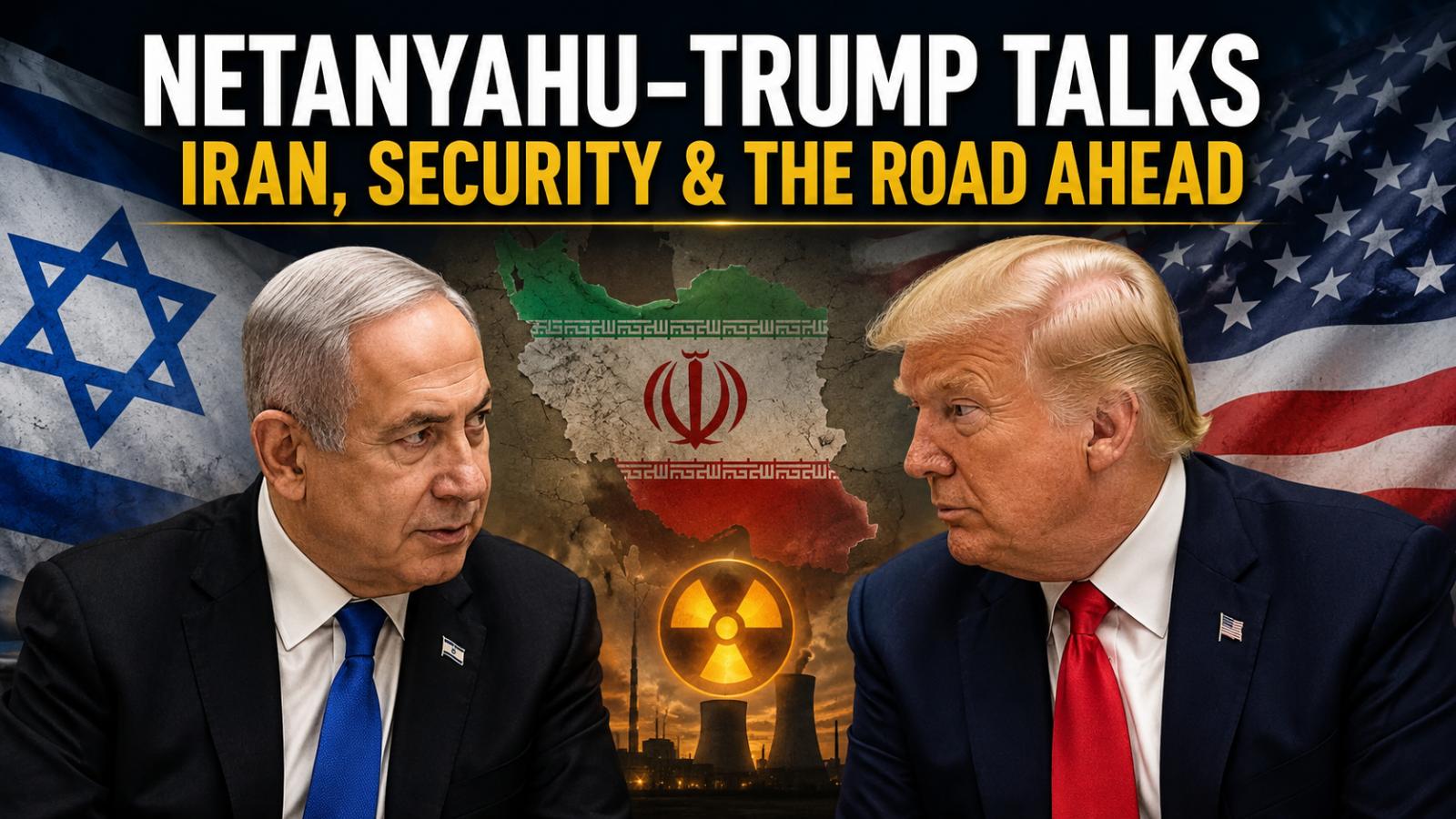
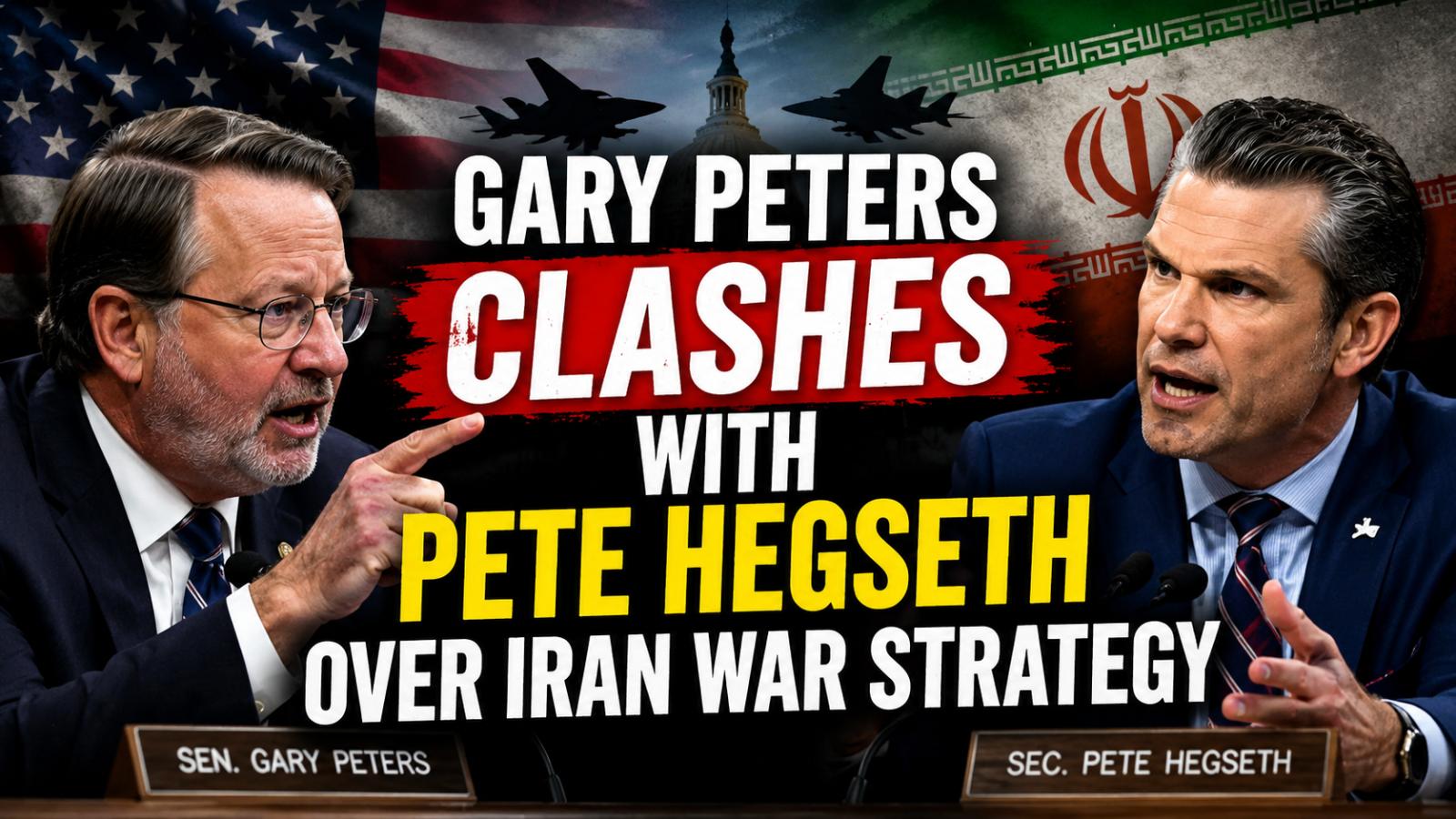
The Trump administration's handling of the Iran conflict came under intense scrutiny during a Senate hearing after a heated confrontation between Senator Gary Peters and Defence Secretary Pete Hegseth. The exchange quickly became the hearing's defining moment as lawmakers debated military strategy, troop support and billions of dollars in additional defence spending. The hearing also examined whether the administration has a clear long-term plan for the
Gary Peters Slams Pete Hegseth Over Iran War Strategy
The Trump administration's handling of the Iran conflict came under intense scrutiny during a Senate hearing after a heated confrontation between Senator Gary Peters and Defence Secretary Pete Hegseth. The exchange quickly became the hearing's defining moment as lawmakers debated military strategy, troop support and billions of dollars in additional defence spending. The hearing also examined whether the administration has a clear long-term plan for the
Mykhailo Drapatyi Replaces Syrskyi as Ukraine Army Chief
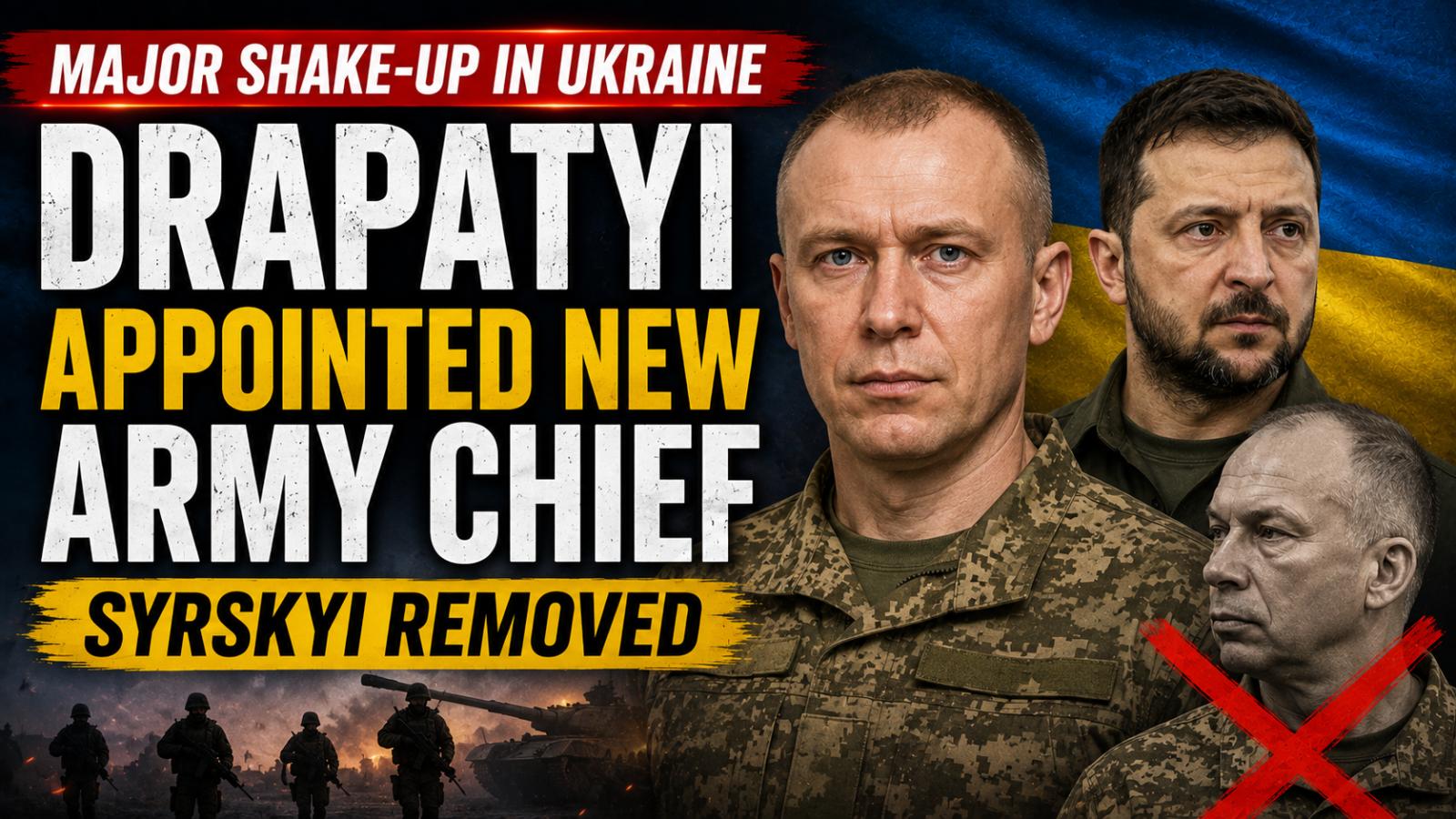
Ukrainian President Volodymyr Zelensky has appointed Mykhailo Drapatyi as Ukraine’s new army chief, replacing Oleksandr Syrskyi amid nationwide protests. The leadership change places military reform, technology, mobilisation and long-range strikes at the centre of Ukraine’s war strategy. Zelensky Appoints Mykhailo Drapatyi as Ukraine Army Chief Mykhailo Drapatyi Becomes Ukraine Army Chief
Mykhailo Drapatyi Replaces Syrskyi as Ukraine Army Chief
Ukrainian President Volodymyr Zelensky has appointed Mykhailo Drapatyi as Ukraine’s new army chief, replacing Oleksandr Syrskyi amid nationwide protests. The leadership change places military reform, technology, mobilisation and long-range strikes at the centre of Ukraine’s war strategy. Zelensky Appoints Mykhailo Drapatyi as Ukraine Army Chief Mykhailo Drapatyi Becomes Ukraine Army Chief
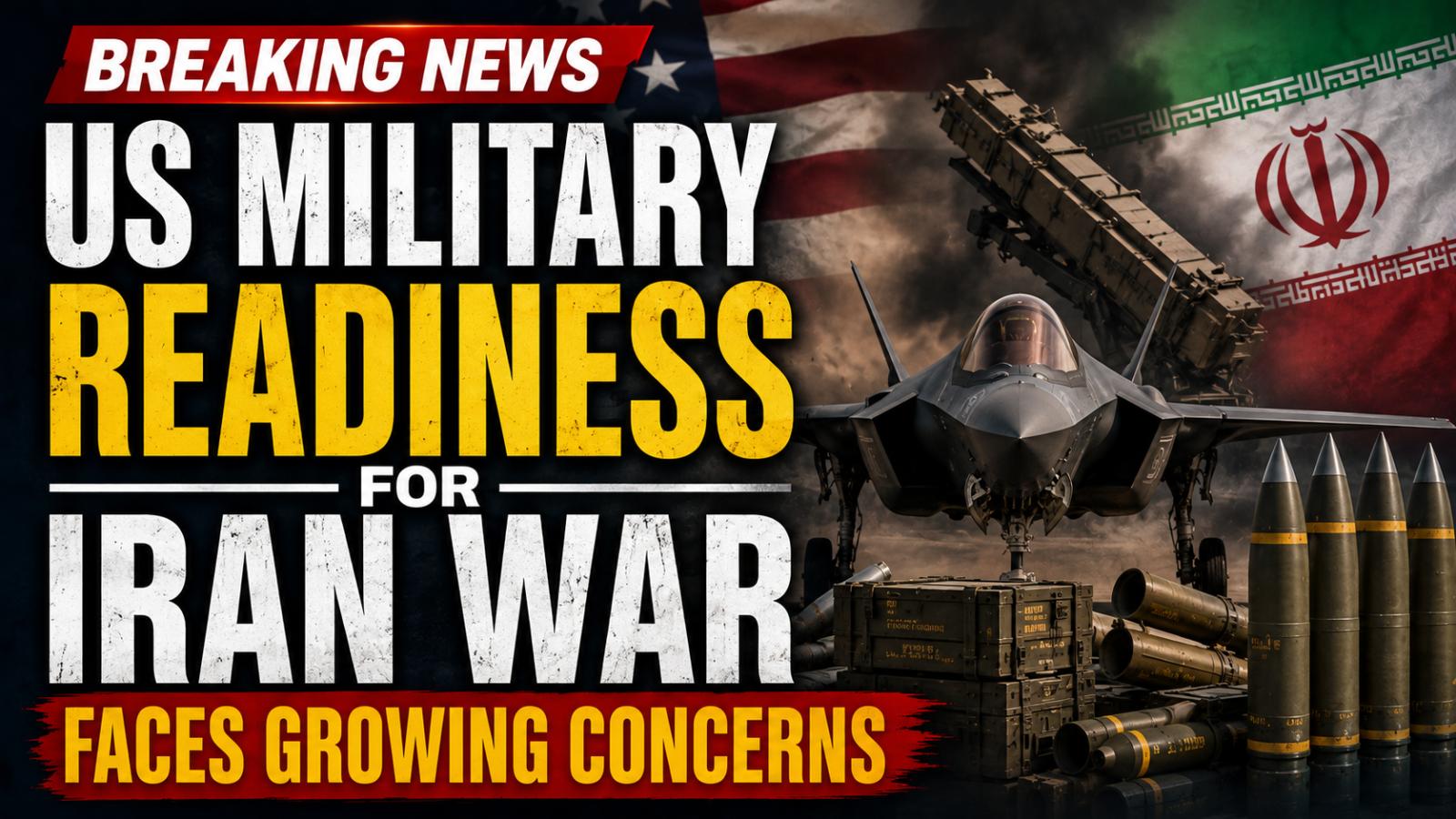
US Military Readiness for Iran Conflict Under Scrutiny
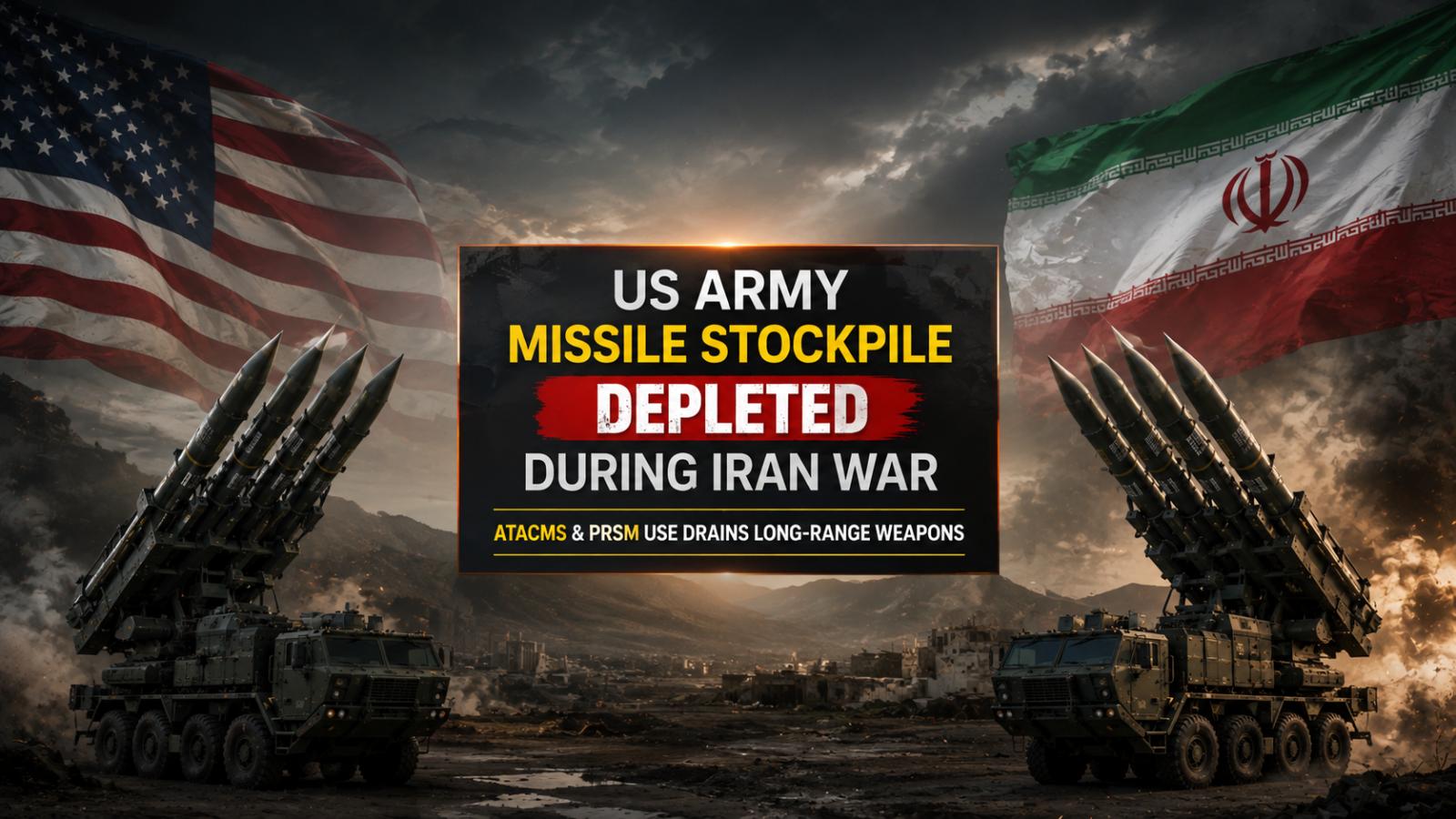
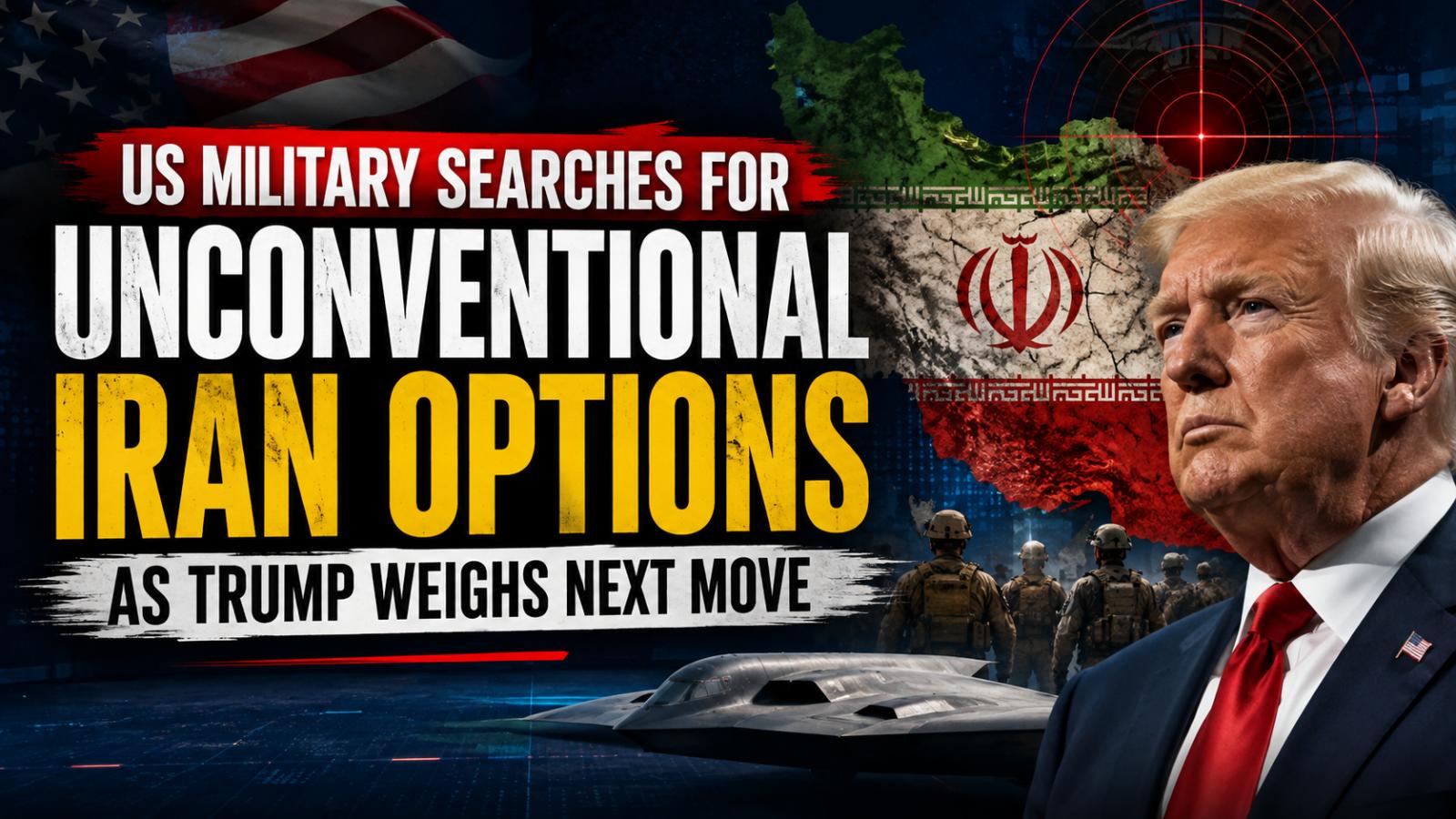
US military readiness for a possible wider Iran conflict is facing increased scrutiny as officials and defence experts warn about shrinking missile stockpiles, operational challenges and Pentagon concerns. The debate comes as President Donald Trump signals that US military objectives in Iran remain incomplete. US Military Readiness for Iran War Faces Growing Concerns
US Military Readiness for Iran Conflict Under Scrutiny
US military readiness for a possible wider Iran conflict is facing increased scrutiny as officials and defence experts warn about shrinking missile stockpiles, operational challenges and Pentagon concerns. The debate comes as President Donald Trump signals that US military objectives in Iran remain incomplete. US Military Readiness for Iran War Faces Growing Concerns
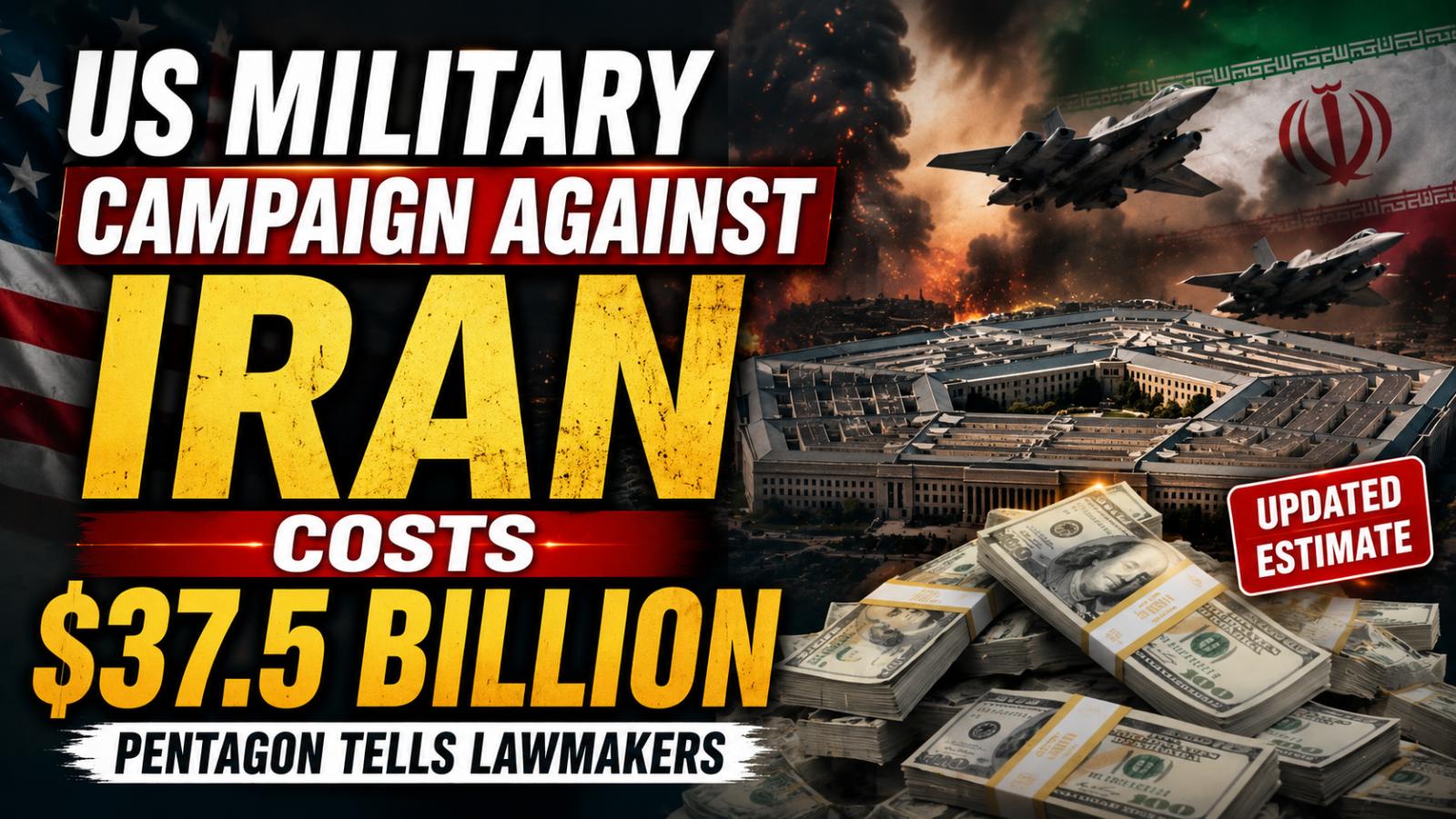
US Military Campaign Against Iran Costs $37.5 Billion
The US military campaign against Iran now carries an estimated cost of $37.5 billion, according to Defence Secretary Pete Hegseth. The updated figure includes projected expenses through September as the Pentagon seeks additional funding while defending the effectiveness of operations against Iran before Congress. US Military Campaign Against Iran Costs $37.5 Billion
US Military Campaign Against Iran Costs $37.5 Billion
The US military campaign against Iran now carries an estimated cost of $37.5 billion, according to Defence Secretary Pete Hegseth. The updated figure includes projected expenses through September as the Pentagon seeks additional funding while defending the effectiveness of operations against Iran before Congress. US Military Campaign Against Iran Costs $37.5 Billion
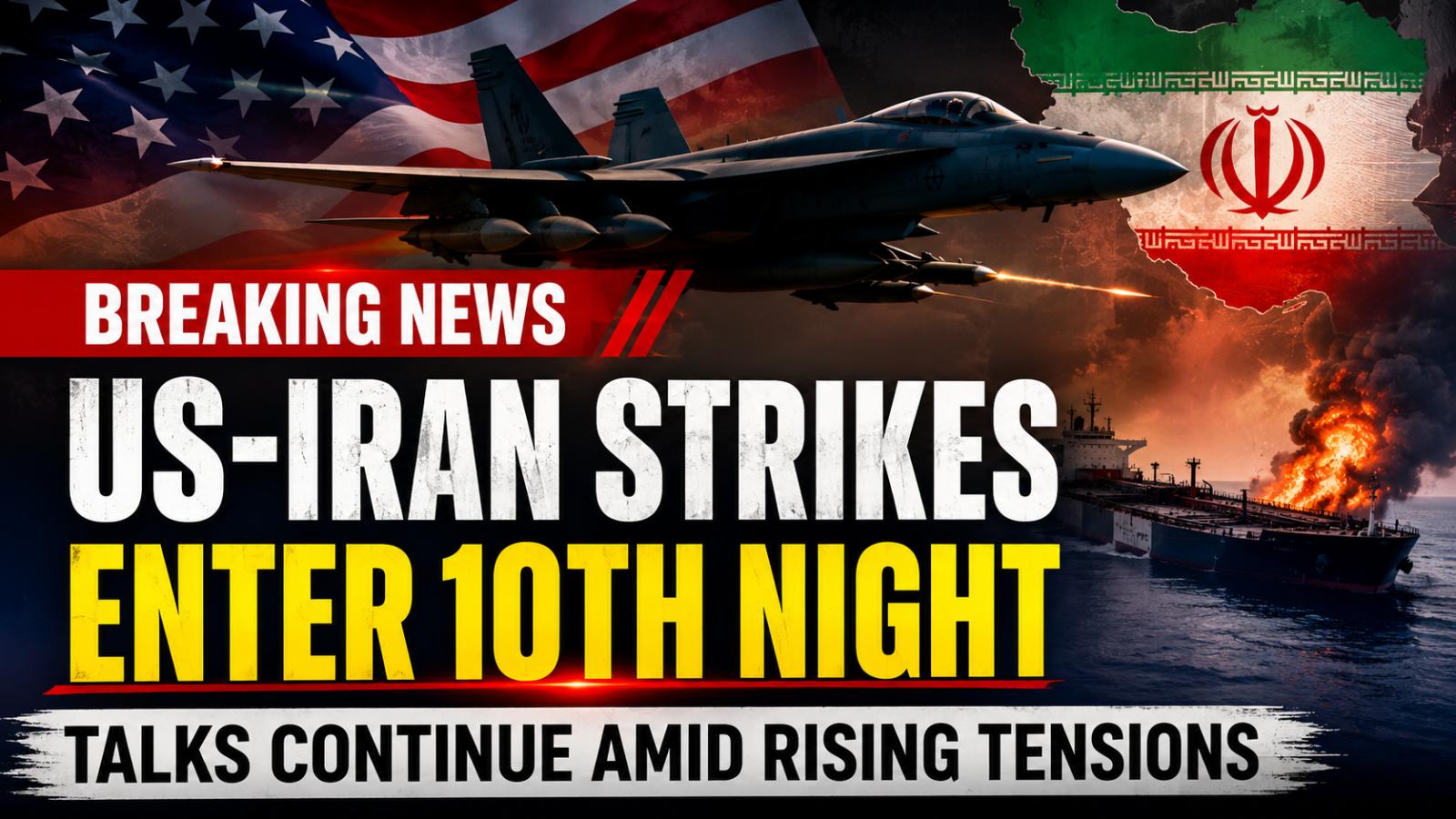
US Iran Strikes Enter 10th Night as Talks Continue
US Iran strikes enter 10th night as Washington continues military operations targeting Iranian capabilities linked to the Strait of Hormuz while diplomatic talks between both countries remain active. The latest developments highlight a dual strategy of military pressure and continued negotiations amid rising regional tensions. US Iran Strikes Enter 10th Night as Talk
US Iran Strikes Enter 10th Night as Talks Continue
US Iran strikes enter 10th night as Washington continues military operations targeting Iranian capabilities linked to the Strait of Hormuz while diplomatic talks between both countries remain active. The latest developments highlight a dual strategy of military pressure and continued negotiations amid rising regional tensions. US Iran Strikes Enter 10th Night as Talk
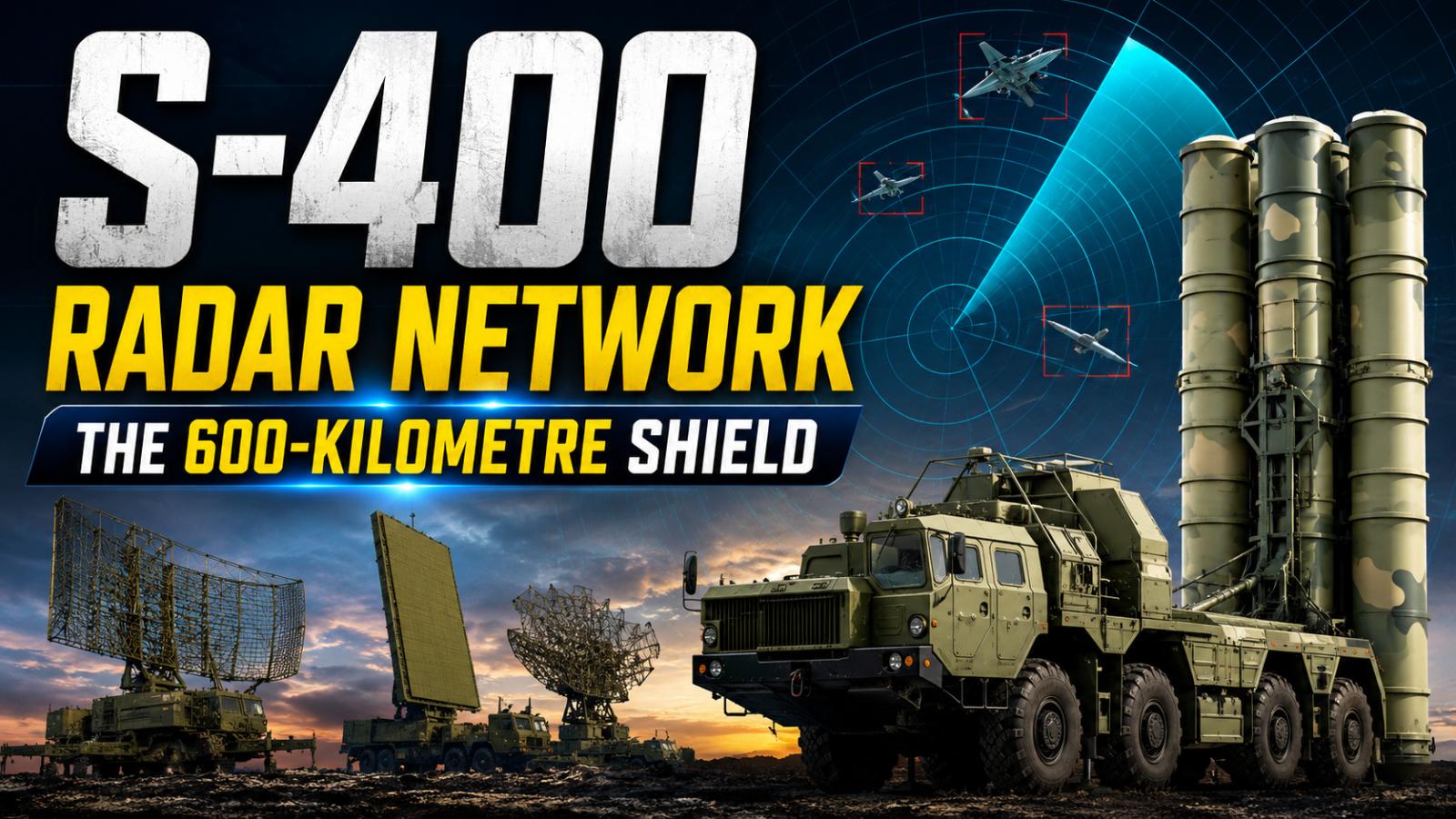
S-400 radar network: How Big Bird and Nebo-M work together
The S-400 radar network uses multiple advanced radar systems, including Big Bird, 96L6E, Nebo-M and 92N6E, to detect, track and engage aircraft, drones and missiles. This article explains how these sensors work together to create one of the world's most advanced layered air defence systems. S-400 radar network creates layered surveillance The S-400 Triumf does not depend on a single radar to de
S-400 radar network: How Big Bird and Nebo-M work together
The S-400 radar network uses multiple advanced radar systems, including Big Bird, 96L6E, Nebo-M and 92N6E, to detect, track and engage aircraft, drones and missiles. This article explains how these sensors work together to create one of the world's most advanced layered air defence systems. S-400 radar network creates layered surveillance The S-400 Triumf does not depend on a single radar to de
US Airstrikes on Iran Continue for Seventh Consecutive Night
US airstrikes on Iran continue into a seventh consecutive night as CENTCOM expands its military campaign against Iranian targets. The latest strikes, ordered by the US commander-in-chief, targeted military infrastructure while escalating tensions between Washington and Tehran amid warnings of wider regional instability. US Airstrikes on Iran Continue for Seven
US Airstrikes on Iran Continue for Seventh Consecutive Night
US airstrikes on Iran continue into a seventh consecutive night as CENTCOM expands its military campaign against Iranian targets. The latest strikes, ordered by the US commander-in-chief, targeted military infrastructure while escalating tensions between Washington and Tehran amid warnings of wider regional instability. US Airstrikes on Iran Continue for Seven
US Military Testosterone Screening Program Announced for Troops
The US military testosterone screening program will introduce annual military medical screening for eligible service members to improve combat readiness. The policy also offers voluntary testosterone replacement therapy for troops diagnosed with low hormone levels. US Military Testosterone Screening Introduced to Improve Combat Readiness The United States D
US Military Testosterone Screening Program Announced for Troops
The US military testosterone screening program will introduce annual military medical screening for eligible service members to improve combat readiness. The policy also offers voluntary testosterone replacement therapy for troops diagnosed with low hormone levels. US Military Testosterone Screening Introduced to Improve Combat Readiness The United States D
US Strikes on Iran Target Strait of Hormuz Military Sites
The United States carried out a new round of military strikes against Iranian targets on July 15, saying the operation was intended to protect commercial shipping passing through the Strait of Hormuz. The latest action adds to growing tensions between Washington and Tehran as one of the world's most important energy corridors remains under close international watch. According to US Central Command, the operation focused on military assets that it said posed a threat to vessels using the strategic waterway. CENTCOM Iran operation targets maritime threats US Central Command said the strikes began at 1900 GMT and were directed at Iranian military capabilities allegedly being used to threaten ships transiting through the Strait of Hormuz. In a statement posted on its official X account, CENTCOM said the objective was to safeguard freedom of navigation in the region. The Strait of Hormuz carries nearly 20 percent of global oil supplies, making security in the area a major concern for governments, shipping companies and energy markets worldwide. The operation comes after weeks of heightened military activity across the Gulf region. Washington has repeatedly stated that maintaining open sea lanes remains a priority as regional tensions continue to increase. Strait of Hormuz remains global energy focus The Strait of Hormuz connects the Persian Gulf with the Arabian Sea and serves as one of the world's busiest maritime routes. Any disruption can quickly affect international oil prices, shipping costs and supply chains. Energy analysts continue to monitor developments closely as uncertainty grows over future military actions in the region. Global governments have also urged restraint, warning that prolonged conflict could have significant economic consequences beyond the Middle East. Iran blasts reported in Ahvaz and Chabahar As the US operation unfolded, Iran's semi-official Mehr News Agency reported explosions in several locations. Blasts were heard in Ahvaz in southwestern Iran, although the exact source was not immediately confirmed. Mehr also reported three explosions in the southeastern port city of Chabahar. Iranian authorities had not officially confirmed the cause of the explosions or released information regarding casualties at the time of reporting. Independent verification of the incidents also remained unavailable. Iran Parliament says diplomacy will continue Iranian Parliament Speaker Mohammad Bagher Ghalibaf said the country would continue diplomatic efforts while maintaining military preparedness. In an official statement, he said Iran had never sought war but must remain ready to defend its national security and strategic interests. Ghalibaf accused the United States of attempting to weaken the Islamic Republic and described the current situation as an existential challenge. He argued that relying only on diplomacy or only on military action would be a strategic mistake, saying both approaches should remain available as the situation develops. The latest developments highlight the fragile security environment surrounding the Strait of Hormuz. With military operations continuing and diplomatic channels still open, governments and energy markets are expected to monitor events closely. Information in this report is based on official statements from US Central Command, comments released by Iranian parliamentary leadership and reports published by Iran's Mehr News Agency. Relevant internal links may include your Global News category, US News, Middle East coverage, Oil & Energy news, Geopolitics section, and previous articles covering the Strait of Hormuz, Iran-US relations, and CENTCOM operations.
US Strikes on Iran Target Strait of Hormuz Military Sites
The United States carried out a new round of military strikes against Iranian targets on July 15, saying the operation was intended to protect commercial shipping passing through the Strait of Hormuz. The latest action adds to growing tensions between Washington and Tehran as one of the world's most important energy corridors remains under close international watch. According to US Central Command, the operation focused on military assets that it said posed a threat to vessels using the strategic waterway. CENTCOM Iran operation targets maritime threats US Central Command said the strikes began at 1900 GMT and were directed at Iranian military capabilities allegedly being used to threaten ships transiting through the Strait of Hormuz. In a statement posted on its official X account, CENTCOM said the objective was to safeguard freedom of navigation in the region. The Strait of Hormuz carries nearly 20 percent of global oil supplies, making security in the area a major concern for governments, shipping companies and energy markets worldwide. The operation comes after weeks of heightened military activity across the Gulf region. Washington has repeatedly stated that maintaining open sea lanes remains a priority as regional tensions continue to increase. Strait of Hormuz remains global energy focus The Strait of Hormuz connects the Persian Gulf with the Arabian Sea and serves as one of the world's busiest maritime routes. Any disruption can quickly affect international oil prices, shipping costs and supply chains. Energy analysts continue to monitor developments closely as uncertainty grows over future military actions in the region. Global governments have also urged restraint, warning that prolonged conflict could have significant economic consequences beyond the Middle East. Iran blasts reported in Ahvaz and Chabahar As the US operation unfolded, Iran's semi-official Mehr News Agency reported explosions in several locations. Blasts were heard in Ahvaz in southwestern Iran, although the exact source was not immediately confirmed. Mehr also reported three explosions in the southeastern port city of Chabahar. Iranian authorities had not officially confirmed the cause of the explosions or released information regarding casualties at the time of reporting. Independent verification of the incidents also remained unavailable. Iran Parliament says diplomacy will continue Iranian Parliament Speaker Mohammad Bagher Ghalibaf said the country would continue diplomatic efforts while maintaining military preparedness. In an official statement, he said Iran had never sought war but must remain ready to defend its national security and strategic interests. Ghalibaf accused the United States of attempting to weaken the Islamic Republic and described the current situation as an existential challenge. He argued that relying only on diplomacy or only on military action would be a strategic mistake, saying both approaches should remain available as the situation develops. The latest developments highlight the fragile security environment surrounding the Strait of Hormuz. With military operations continuing and diplomatic channels still open, governments and energy markets are expected to monitor events closely. Information in this report is based on official statements from US Central Command, comments released by Iranian parliamentary leadership and reports published by Iran's Mehr News Agency. Relevant internal links may include your Global News category, US News, Middle East coverage, Oil & Energy news, Geopolitics section, and previous articles covering the Strait of Hormuz, Iran-US relations, and CENTCOM operations.
US Iran Sanctions Expand as Military Strikes Intensify
US Iran Sanctions Expand as Military Strikes Intensify The United States imposed fresh Iran sanctions on Tuesday, July 14, targeting a major shipping and oil-trading network as American forces launched additional military strikes and moved to resume a naval blockade. The measures combine financial pressure with expanded military action amid a widening conflict involving commercial shipping and the Strait of Hormuz.
US Iran Sanctions Expand as Military Strikes Intensify
US Iran Sanctions Expand as Military Strikes Intensify The United States imposed fresh Iran sanctions on Tuesday, July 14, targeting a major shipping and oil-trading network as American forces launched additional military strikes and moved to resume a naval blockade. The measures combine financial pressure with expanded military action amid a widening conflict involving commercial shipping and the Strait of Hormuz.
India Theatre Commands: How the New Military Structure May Work
India Theatre Commands are intended to bring the Army, Navy and Air Force under unified operational leadership. The theatreisation proposal seeks stronger jointness, faster decisions, coordinated logistics and an integrated response to land, air and maritime threats. Theatreisation could replace separate operational planning India is considering one of the biggest structural changes in the history of its armed
India Theatre Commands: How the New Military Structure May Work
India Theatre Commands are intended to bring the Army, Navy and Air Force under unified operational leadership. The theatreisation proposal seeks stronger jointness, faster decisions, coordinated logistics and an integrated response to land, air and maritime threats. Theatreisation could replace separate operational planning India is considering one of the biggest structural changes in the history of its armed
India Theaterisation Plan Moves Closer to Major Defence Reform
India’s proposed theaterisation plan could become its biggest military command reform. It aims to improve Army, Navy and Air Force coordination through integrated theatre commands, faster decisions and region-specific operational planning. Integrated theatre commands and CDS reform Reports indicate that Chief of Defence Staff General NS Raja Subramani may present the latest proposal to Defence Minister Rajnat
India Theaterisation Plan Moves Closer to Major Defence Reform
India’s proposed theaterisation plan could become its biggest military command reform. It aims to improve Army, Navy and Air Force coordination through integrated theatre commands, faster decisions and region-specific operational planning. Integrated theatre commands and CDS reform Reports indicate that Chief of Defence Staff General NS Raja Subramani may present the latest proposal to Defence Minister Rajnat
US Strikes Iran After Hormuz Shipping Attack
The United States launched a fresh wave of military strikes against Iran on Sunday,June 13,2026 after accusing Tehran of threatening commercial shipping in the Strait of Hormuz. US Central Command said the operation targeted Iran’s military capabilities, while Tehran condemned the attacks as violations of international law and warned of possible retaliation. The latest exchange marks another sharp escalation in the ongoing US-Iran conflict and raises
US Strikes Iran After Hormuz Shipping Attack
The United States launched a fresh wave of military strikes against Iran on Sunday,June 13,2026 after accusing Tehran of threatening commercial shipping in the Strait of Hormuz. US Central Command said the operation targeted Iran’s military capabilities, while Tehran condemned the attacks as violations of international law and warned of possible retaliation. The latest exchange marks another sharp escalation in the ongoing US-Iran conflict and raises
Egypt opens Octagon strategic command headquarters
Egypt opens new strategic command headquarters Egypt has officially inaugurated its new State Strategic Command Headquarters, widely known as the Octagon, marking a major step in the country’s defence infrastructure modernization. President Abdel Fattah El-Sisi opened the complex on July 4 in the new administrative capital, presenting it as a central hub for military coordination, operational planning and national crisis response at a time of heightened tension across West Asia. During the inauguration, Sisi said the strategic command headquarters would support integrated planning and coordination among all branches of the armed forces. He added that the facility is designed to strengthen combat readiness, improve response efficiency and support Egypt’s broader strategic goals through advanced technology systems. The project reflects Cairo’s continued focus on building modern defence institutions capable of handling security, logistical and emergency challenges from one unified command structure. Why the Octagon matters The Octagon is being compared with the Pentagon mainly because of its strategic function rather than direct scale. Like the US defence headquarters, Egypt’s new command HQ is intended to bring military leadership, intelligence coordination, operational command and crisis management under one administrative framework. This centralized model is expected to help Egyptian authorities improve decision-making during emergencies and maintain closer coordination across defence branches. The headquarters covers about 22,000 acres and includes eight central buildings designed in an octagonal geometric layout. According to Egypt’s official information authorities, the site contains 13 integrated strategic and logistical zones, making it one of the largest defence and administrative complexes in the Middle East. Officials have described the campus as a miniature administrative and defence city because it brings together command, logistics, training and national emergency management functions. Advanced technology and security focus A key feature of the Octagon is its digital infrastructure, which is dedicated to storing, processing and protecting national data. The complex is equipped with advanced command, control, communications, artificial intelligence and cybersecurity systems. These capabilities are intended to support faster information flow, stronger data protection and more efficient military coordination. For Egypt, the opening of the Octagon is not only a symbolic milestone but also a practical shift in how the country manages defence readiness. By placing command operations, logistics, training and emergency response inside one large strategic headquarters, the government aims to strengthen national security planning while adapting to a more complex regional environment.
Egypt opens Octagon strategic command headquarters
Egypt opens new strategic command headquarters Egypt has officially inaugurated its new State Strategic Command Headquarters, widely known as the Octagon, marking a major step in the country’s defence infrastructure modernization. President Abdel Fattah El-Sisi opened the complex on July 4 in the new administrative capital, presenting it as a central hub for military coordination, operational planning and national crisis response at a time of heightened tension across West Asia. During the inauguration, Sisi said the strategic command headquarters would support integrated planning and coordination among all branches of the armed forces. He added that the facility is designed to strengthen combat readiness, improve response efficiency and support Egypt’s broader strategic goals through advanced technology systems. The project reflects Cairo’s continued focus on building modern defence institutions capable of handling security, logistical and emergency challenges from one unified command structure. Why the Octagon matters The Octagon is being compared with the Pentagon mainly because of its strategic function rather than direct scale. Like the US defence headquarters, Egypt’s new command HQ is intended to bring military leadership, intelligence coordination, operational command and crisis management under one administrative framework. This centralized model is expected to help Egyptian authorities improve decision-making during emergencies and maintain closer coordination across defence branches. The headquarters covers about 22,000 acres and includes eight central buildings designed in an octagonal geometric layout. According to Egypt’s official information authorities, the site contains 13 integrated strategic and logistical zones, making it one of the largest defence and administrative complexes in the Middle East. Officials have described the campus as a miniature administrative and defence city because it brings together command, logistics, training and national emergency management functions. Advanced technology and security focus A key feature of the Octagon is its digital infrastructure, which is dedicated to storing, processing and protecting national data. The complex is equipped with advanced command, control, communications, artificial intelligence and cybersecurity systems. These capabilities are intended to support faster information flow, stronger data protection and more efficient military coordination. For Egypt, the opening of the Octagon is not only a symbolic milestone but also a practical shift in how the country manages defence readiness. By placing command operations, logistics, training and emergency response inside one large strategic headquarters, the government aims to strengthen national security planning while adapting to a more complex regional environment.
Taiwan revives anti-communist classes amid China threat
Taiwan revives Cold War-era military education Taiwan’s defence ministry has announced the return of “anti-communist” patriotic classes for military graduates after a gap of nearly 25 years, citing growing security concerns linked to China. The programme marks a notable shift in Taiwan military education, as formal anti-communist patriotic instruction had ended i
Taiwan revives anti-communist classes amid China threat
Taiwan revives Cold War-era military education Taiwan’s defence ministry has announced the return of “anti-communist” patriotic classes for military graduates after a gap of nearly 25 years, citing growing security concerns linked to China. The programme marks a notable shift in Taiwan military education, as formal anti-communist patriotic instruction had ended i
CSIS reports over 2 million casualties in Russia Ukraine war
Conflict reaches historic casualty levels A new analysis by the Centre for Strategic and International Studies (CSIS) estimates that combined military casualties in the Russia-Ukraine war have surpassed 2 million since the conflict began in February 2022. The study describes the war as the most intense military confrontation in Europe since the Second World War, with R
CSIS reports over 2 million casualties in Russia Ukraine war
Conflict reaches historic casualty levels A new analysis by the Centre for Strategic and International Studies (CSIS) estimates that combined military casualties in the Russia-Ukraine war have surpassed 2 million since the conflict began in February 2022. The study describes the war as the most intense military confrontation in Europe since the Second World War, with R
India Japan expand military drills across land sea air
India and Japan are steadily widening their defence partnership with a stronger focus on Indo Pacific stability. The cooperation is no longer limited to symbolic diplomacy and now includes structured military coordination, regular exercises and operational level engagement between the armed forces of both countries. The shared objective is improving readiness and ensuring secure maritime routes across a region that is becoming increasingly contested. Defence dialogue moves into operational coordination High level defence talks between the two countries have evolved into practical coordination mechanisms. Regular 2+2 ministerial meetings have helped align security priorities, especially around regional stability, maritime surveillance and disaster response readiness. This structured engagement has created a foundation for long term interoperability between Indian and Japanese defence forces. Army level training under Dharma Guardian framework The joint Army exercise Dharma Guardian has become a key pillar of land based cooperation. It focuses on counter insurgency operations, jungle warfare and high altitude combat readiness. These drills are designed to improve tactical coordination between the Indian Army and the Japan Ground Self Defence Force, especially in complex terrain scenarios where joint response capability is critical. Naval cooperation through Malabar, JIMEX and MILAN Maritime collaboration remains the strongest pillar of this partnership. Exercises like Malabar, JIMEX and MILAN bring together naval forces to train in anti submarine warfare, sea lane protection and coordinated fleet operations. These drills improve communication and operational compatibility between navies, while also strengthening surveillance across key Indo Pacific shipping routes. Air force integration under Veer Guardian exercises Air cooperation has also expanded through joint training activities such as Veer Guardian. These exercises involve fighter aircraft operations, tactical missions and coordinated aerial drills between the Indian Air Force and the Japan Air Self Defence Force. The focus is on improving mission readiness and developing shared operational understanding in air combat scenarios. Defence technology and industrial cooperation Beyond field exercises, both countries are deepening collaboration in defence technology. Areas such as maritime surveillance systems, sensors and advanced naval equipment are gaining attention. Technology transfer initiatives and joint development discussions are gradually shaping a more integrated defence industrial partnership. Long term Indo Pacific security outlook The India Japan defence partnership is expected to grow further as regional security dynamics continue to evolve. Both countries are increasingly aligned on maintaining freedom of navigation, securing trade routes and responding to emerging maritime threats. This cooperation is positioning them as important contributors to Indo Pacific stability rather than passive regional players.
India Japan expand military drills across land sea air
India and Japan are steadily widening their defence partnership with a stronger focus on Indo Pacific stability. The cooperation is no longer limited to symbolic diplomacy and now includes structured military coordination, regular exercises and operational level engagement between the armed forces of both countries. The shared objective is improving readiness and ensuring secure maritime routes across a region that is becoming increasingly contested. Defence dialogue moves into operational coordination High level defence talks between the two countries have evolved into practical coordination mechanisms. Regular 2+2 ministerial meetings have helped align security priorities, especially around regional stability, maritime surveillance and disaster response readiness. This structured engagement has created a foundation for long term interoperability between Indian and Japanese defence forces. Army level training under Dharma Guardian framework The joint Army exercise Dharma Guardian has become a key pillar of land based cooperation. It focuses on counter insurgency operations, jungle warfare and high altitude combat readiness. These drills are designed to improve tactical coordination between the Indian Army and the Japan Ground Self Defence Force, especially in complex terrain scenarios where joint response capability is critical. Naval cooperation through Malabar, JIMEX and MILAN Maritime collaboration remains the strongest pillar of this partnership. Exercises like Malabar, JIMEX and MILAN bring together naval forces to train in anti submarine warfare, sea lane protection and coordinated fleet operations. These drills improve communication and operational compatibility between navies, while also strengthening surveillance across key Indo Pacific shipping routes. Air force integration under Veer Guardian exercises Air cooperation has also expanded through joint training activities such as Veer Guardian. These exercises involve fighter aircraft operations, tactical missions and coordinated aerial drills between the Indian Air Force and the Japan Air Self Defence Force. The focus is on improving mission readiness and developing shared operational understanding in air combat scenarios. Defence technology and industrial cooperation Beyond field exercises, both countries are deepening collaboration in defence technology. Areas such as maritime surveillance systems, sensors and advanced naval equipment are gaining attention. Technology transfer initiatives and joint development discussions are gradually shaping a more integrated defence industrial partnership. Long term Indo Pacific security outlook The India Japan defence partnership is expected to grow further as regional security dynamics continue to evolve. Both countries are increasingly aligned on maintaining freedom of navigation, securing trade routes and responding to emerging maritime threats. This cooperation is positioning them as important contributors to Indo Pacific stability rather than passive regional players.
India-US defence ties remain stable amid Indo-Pacific changes
India and the United States continue to maintain stable defence cooperation despite recent adjustments in how Washington refers to its Indo-Pacific military structure. US Ambassador Sergio Gor reiterated that operational collaboration between the two countries is unaffected by the change in terminology, stressing continuity over symbolism. Military engagement remains active According to Gor, defence interaction between both nations is not only ongoing but expanding. Joint exercises, training programs, and coordinated operational planning continue across multiple domains. He noted that India remains one of the most frequently engaged partners in US military exercises globally, reflecting long-term strategic alignment rather than short-term political messaging. Indo-Pacific command terminology shift The discussion gained attention after the US reverted from the “Indo-Pacific Command” branding to its earlier designation. While the naming change sparked speculation about shifting priorities, officials clarified that command responsibilities and regional engagement remain unchanged. The operational scope still spans a vast area covering key maritime and security corridors in Asia-Pacific. Interpretation and political reactions The naming adjustment has been interpreted in different ways across policy circles, with some viewing it as symbolic recalibration. However, US officials have consistently pushed back on that narrative, arguing that defence cooperation with India is driven by shared strategic interests rather than administrative labels. Leadership relations and diplomatic tone Gor also highlighted the working relationship between former US President Donald Trump and Indian Prime Minister Narendra Modi, describing it as direct and pragmatic. He pointed to informal diplomatic interactions as evidence of sustained trust and coordination between leadership levels, which continues to influence broader strategic engagement. Long-term partnership outlook Despite periodic debates over terminology and diplomatic optics, both nations continue to prioritize defence, technology collaboration, and regional security coordination. The emphasis remains on sustained engagement in the Indo-Pacific region, where shared concerns over maritime security and strategic balance continue to drive cooperation rather than divergence.
India-US defence ties remain stable amid Indo-Pacific changes
India and the United States continue to maintain stable defence cooperation despite recent adjustments in how Washington refers to its Indo-Pacific military structure. US Ambassador Sergio Gor reiterated that operational collaboration between the two countries is unaffected by the change in terminology, stressing continuity over symbolism. Military engagement remains active According to Gor, defence interaction between both nations is not only ongoing but expanding. Joint exercises, training programs, and coordinated operational planning continue across multiple domains. He noted that India remains one of the most frequently engaged partners in US military exercises globally, reflecting long-term strategic alignment rather than short-term political messaging. Indo-Pacific command terminology shift The discussion gained attention after the US reverted from the “Indo-Pacific Command” branding to its earlier designation. While the naming change sparked speculation about shifting priorities, officials clarified that command responsibilities and regional engagement remain unchanged. The operational scope still spans a vast area covering key maritime and security corridors in Asia-Pacific. Interpretation and political reactions The naming adjustment has been interpreted in different ways across policy circles, with some viewing it as symbolic recalibration. However, US officials have consistently pushed back on that narrative, arguing that defence cooperation with India is driven by shared strategic interests rather than administrative labels. Leadership relations and diplomatic tone Gor also highlighted the working relationship between former US President Donald Trump and Indian Prime Minister Narendra Modi, describing it as direct and pragmatic. He pointed to informal diplomatic interactions as evidence of sustained trust and coordination between leadership levels, which continues to influence broader strategic engagement. Long-term partnership outlook Despite periodic debates over terminology and diplomatic optics, both nations continue to prioritize defence, technology collaboration, and regional security coordination. The emphasis remains on sustained engagement in the Indo-Pacific region, where shared concerns over maritime security and strategic balance continue to drive cooperation rather than divergence.
China appears to unveil J-36 stealth fighter in PLA video
PLA video sparks stealth fighter speculation China has appeared to offer the first public glimpse of its long-rumoured J-36 sixth-generation stealth fighter after the People’s Liberation Army released a promotional video featuring what defence analysts believe is the advanced aircraft. The brief appearance has triggered widespread discussion about the progress of China’s next-generation military aviation programme, although no official co
China appears to unveil J-36 stealth fighter in PLA video
PLA video sparks stealth fighter speculation China has appeared to offer the first public glimpse of its long-rumoured J-36 sixth-generation stealth fighter after the People’s Liberation Army released a promotional video featuring what defence analysts believe is the advanced aircraft. The brief appearance has triggered widespread discussion about the progress of China’s next-generation military aviation programme, although no official co
Russia Ukraine war losses rise amid drone escalation
The Russia–Ukraine conflict continues to evolve into a high-intensity war of attrition, with rising casualties reported among newly deployed troops and increasing strain on military systems. The nature of combat has shifted significantly, with rapid deployments and constant surveillance reducing operational margins for survival on key frontlines. Rapid deployment and shrink
Russia Ukraine war losses rise amid drone escalation
The Russia–Ukraine conflict continues to evolve into a high-intensity war of attrition, with rising casualties reported among newly deployed troops and increasing strain on military systems. The nature of combat has shifted significantly, with rapid deployments and constant surveillance reducing operational margins for survival on key frontlines. Rapid deployment and shrink


