US Military Seeks Unconventional Iran Pressure Options
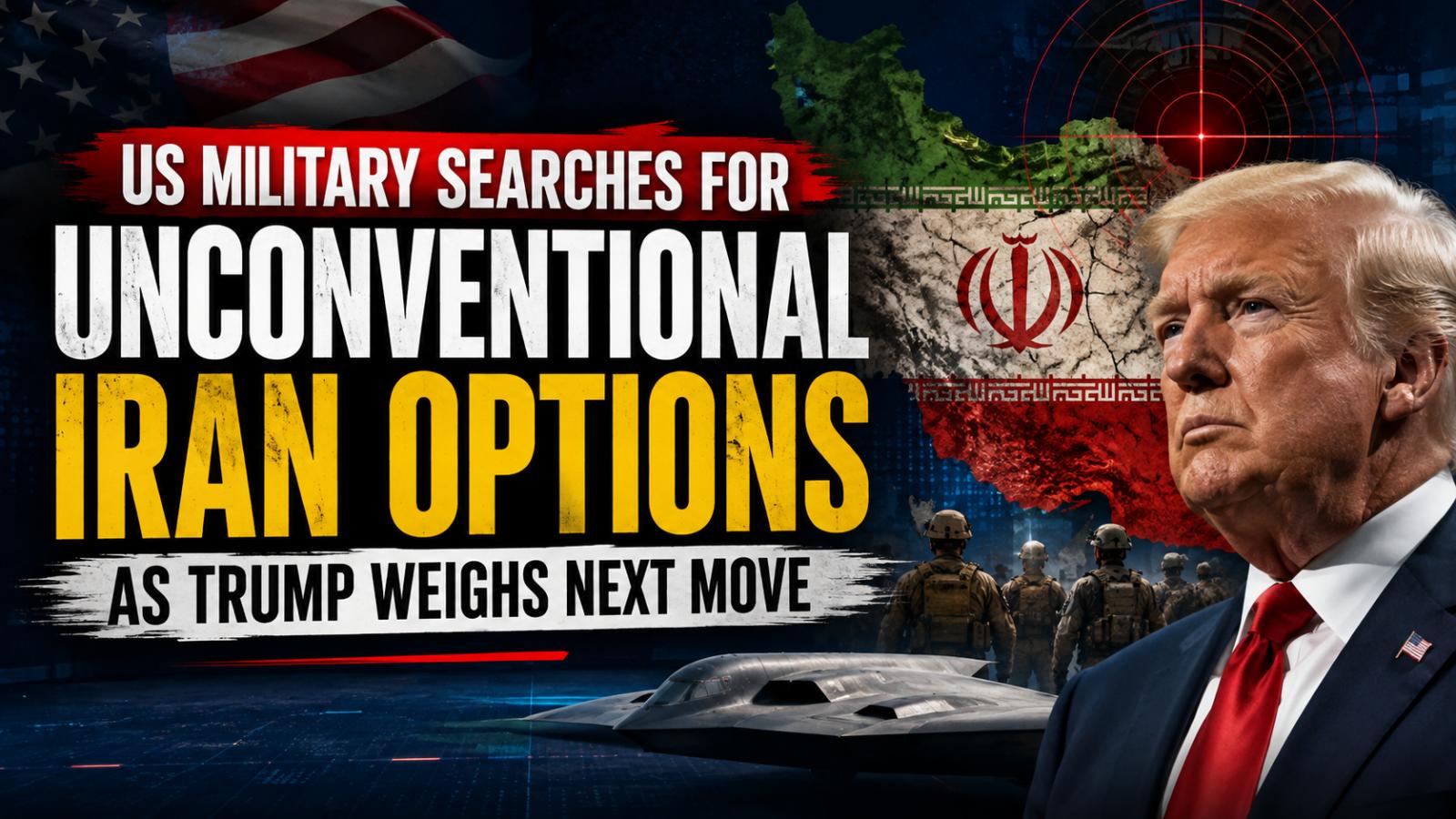
US Military Seeks Unconventional Iran Pressure Options US Iran military options are reportedly under review as CENTCOM seeks creative ways to pressure Tehran without launching a ground war. The strategy search comes as Trump alternates between strike threats and diplomacy over Iran’s nuclear sites and the Strait of Hormuz. CENTCOM Iran Strategy The US military has
US Military Seeks Unconventional Iran Pressure Options
US Military Seeks Unconventional Iran Pressure Options US Iran military options are reportedly under review as CENTCOM seeks creative ways to pressure Tehran without launching a ground war. The strategy search comes as Trump alternates between strike threats and diplomacy over Iran’s nuclear sites and the Strait of Hormuz. CENTCOM Iran Strategy The US military has
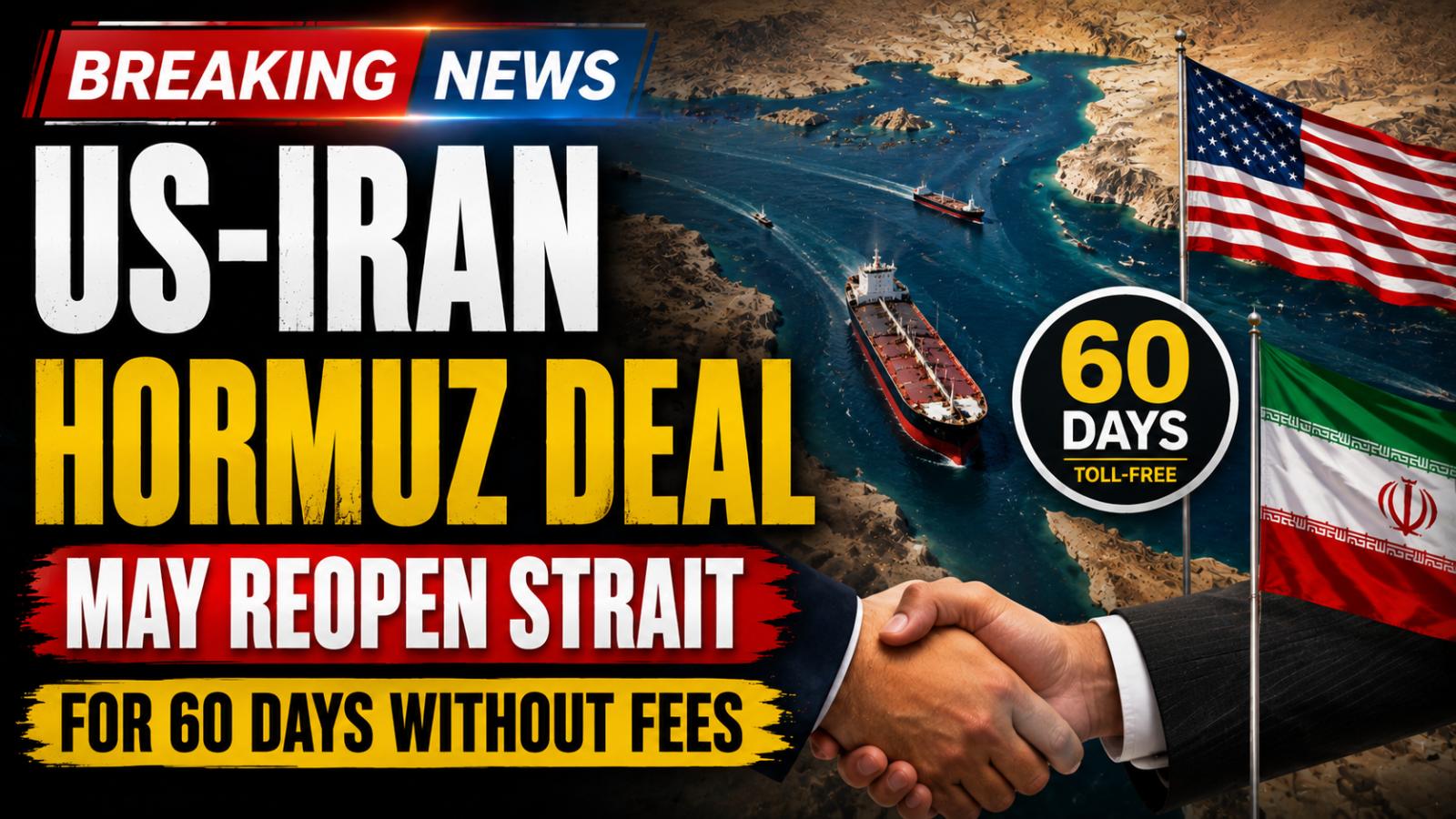
US-Iran Hormuz Deal May Reopen Strait for 60 Days
US-Iran Hormuz Deal May Reopen Strait for 60 Days The US-Iran Hormuz deal could reopen the Strait of Hormuz for 60 days without transit fees and renew a fragile ceasefire. Oman and Qatar are helping mediate as President Donald Trump pauses a planned Iran strike, although Tehran has not publicly confirmed every reported term. Hormuz 60-Day Reopening A developing dipl
US-Iran Hormuz Deal May Reopen Strait for 60 Days
US-Iran Hormuz Deal May Reopen Strait for 60 Days The US-Iran Hormuz deal could reopen the Strait of Hormuz for 60 days without transit fees and renew a fragile ceasefire. Oman and Qatar are helping mediate as President Donald Trump pauses a planned Iran strike, although Tehran has not publicly confirmed every reported term. Hormuz 60-Day Reopening A developing dipl
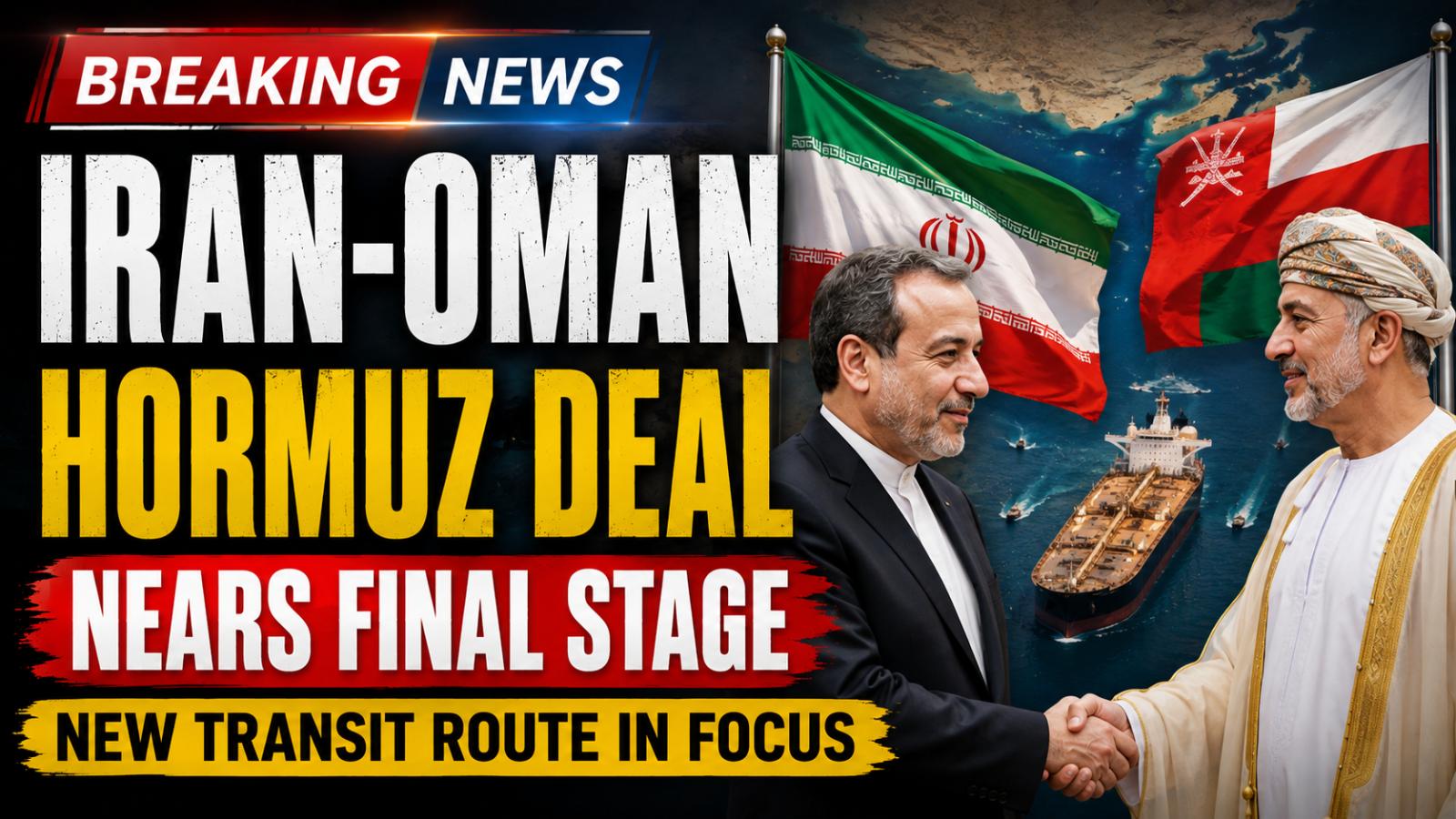
Iran-Oman Strait of Hormuz Deal Nears Final Stage
Iran-Oman Strait of Hormuz Deal Nears Final Stage The Iran-Oman Strait of Hormuz deal is nearing its final stage as Tehran and Muscat negotiate a new Hormuz transit route. Iranian officials say the proposal aims to support vessel passage while preserving both countries’ sovereignty, security and maritime control. Iran-Oman Negotiations Enter Final Stage Iranian Fo
Iran-Oman Strait of Hormuz Deal Nears Final Stage
Iran-Oman Strait of Hormuz Deal Nears Final Stage The Iran-Oman Strait of Hormuz deal is nearing its final stage as Tehran and Muscat negotiate a new Hormuz transit route. Iranian officials say the proposal aims to support vessel passage while preserving both countries’ sovereignty, security and maritime control. Iran-Oman Negotiations Enter Final Stage Iranian Fo
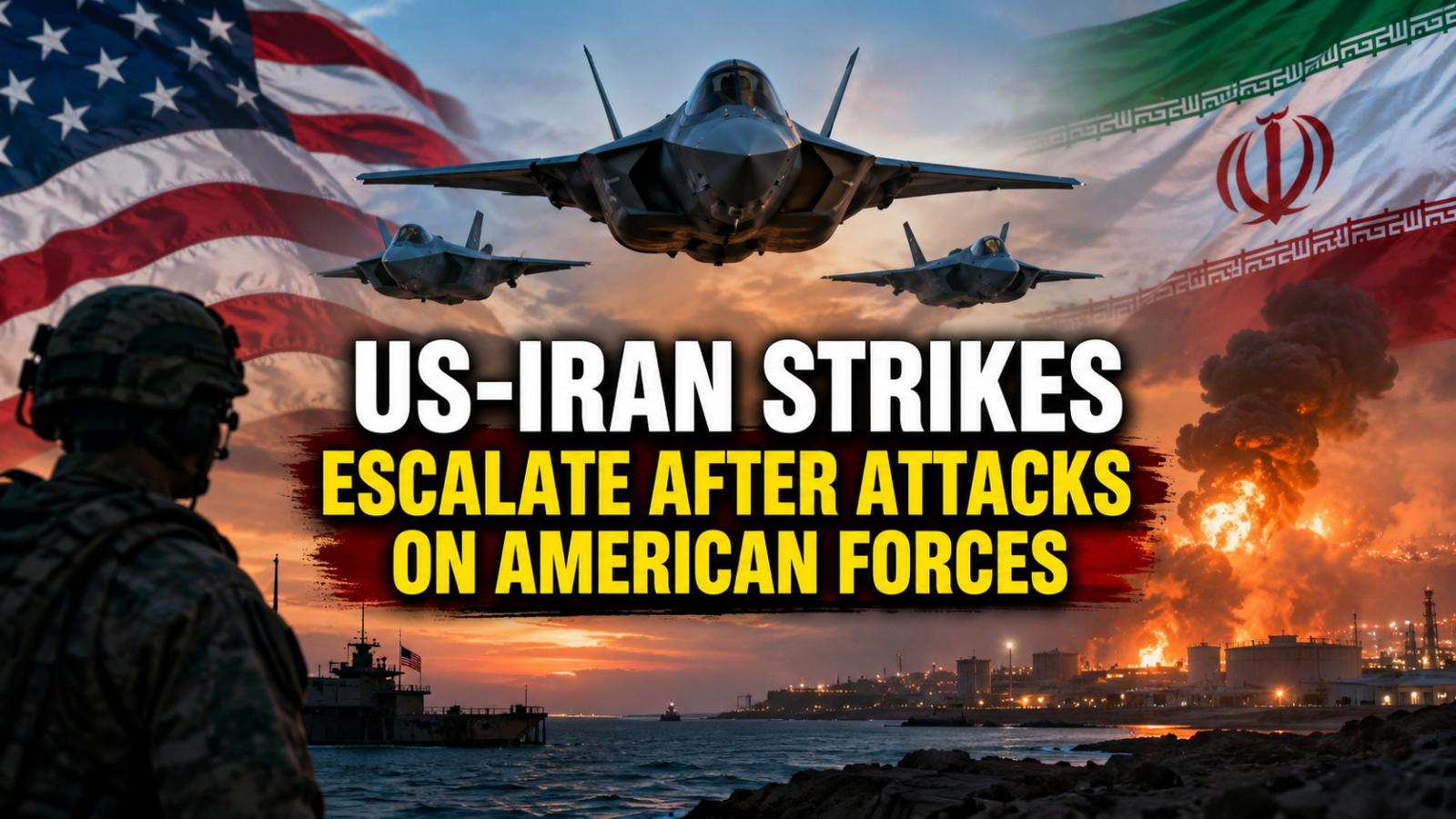
US-Iran Strikes Escalate After Attacks on American Forces
The United States launched a fresh round of strikes against Iran on Wednesday, July 29, following reported Iranian attacks targeting American military personnel in the Middle East. The latest US-Iran strikes mark the first acknowledged American attacks on Iranian territory in nearly a week and signal another dangerous escalation in the regional conflict. According to a statement attributed to US Central Command, the milita
US-Iran Strikes Escalate After Attacks on American Forces
The United States launched a fresh round of strikes against Iran on Wednesday, July 29, following reported Iranian attacks targeting American military personnel in the Middle East. The latest US-Iran strikes mark the first acknowledged American attacks on Iranian territory in nearly a week and signal another dangerous escalation in the regional conflict. According to a statement attributed to US Central Command, the milita
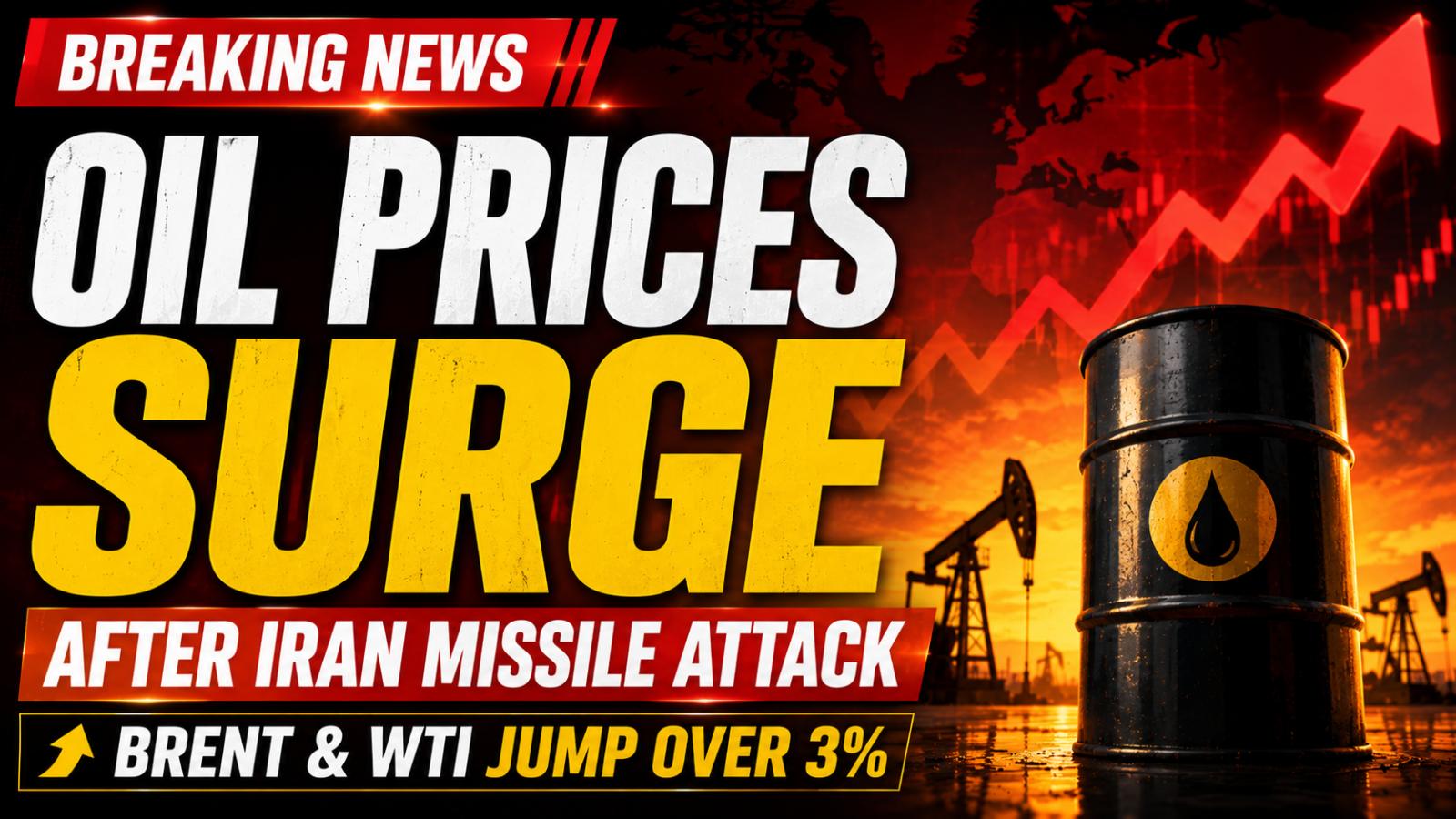
Oil Prices Surge After Iran Missile Attack on US Forces
Oil prices surged in early Asian trading on Wednesday after Iran launched multiple ballistic missiles at US forces in the Middle East. The renewed military exchange pushed Brent and WTI crude higher as traders reassessed supply risks linked to the conflict and the Strait of Hormuz. Oil Prices Surge in Asian Trading Global oil prices climbed by more than 3 per cent during early trading on July 29 as renewed fighting between Iran and the U
Oil Prices Surge After Iran Missile Attack on US Forces
Oil prices surged in early Asian trading on Wednesday after Iran launched multiple ballistic missiles at US forces in the Middle East. The renewed military exchange pushed Brent and WTI crude higher as traders reassessed supply risks linked to the conflict and the Strait of Hormuz. Oil Prices Surge in Asian Trading Global oil prices climbed by more than 3 per cent during early trading on July 29 as renewed fighting between Iran and the U
Strait of Hormuz Shipping Deal Rules Out Transit Tolls
A proposed Strait of Hormuz shipping deal will not impose tolls or transit charges on commercial vessels, according to a US official familiar with negotiations involving Washington, Iran and Oman. The discussions seek to protect ship transit and restore confidence in the strategic waterway after conflict-related disruptions. Strait of Hormuz Shipping Deal Excludes Tolls Commercial ships passing
Strait of Hormuz Shipping Deal Rules Out Transit Tolls
A proposed Strait of Hormuz shipping deal will not impose tolls or transit charges on commercial vessels, according to a US official familiar with negotiations involving Washington, Iran and Oman. The discussions seek to protect ship transit and restore confidence in the strategic waterway after conflict-related disruptions. Strait of Hormuz Shipping Deal Excludes Tolls Commercial ships passing
Mojtaba Khamenei peace terms link US deal to Lebanon
Iranian Supreme Leader Mojtaba Khamenei has linked any future agreement with the United States to an end to Israeli military operations in Lebanon. His position places Lebanon, Hezbollah support and Israeli withdrawal at the centre of Tehran’s conditions as regional diplomatic efforts continue. Iran-US peace conditions In a statement posted on X, Khamenei said Iran would require the protectio
Mojtaba Khamenei peace terms link US deal to Lebanon
Iranian Supreme Leader Mojtaba Khamenei has linked any future agreement with the United States to an end to Israeli military operations in Lebanon. His position places Lebanon, Hezbollah support and Israeli withdrawal at the centre of Tehran’s conditions as regional diplomatic efforts continue. Iran-US peace conditions In a statement posted on X, Khamenei said Iran would require the protectio
Americans Doubt Iran War Will End as Public Trust Falls
Americans increasingly doubt the Iran war will end soon as diplomacy stalls, Congress debates presidential war powers, shipping risks rise in the Strait of Hormuz and new polling shows voters expect the conflict to continue for months or years rather than weeks. Timeline remains uncertain U.S. Ambassador to the United Nations Mike Waltz has declined to place a deadline on the conflict. Waltz sa
Americans Doubt Iran War Will End as Public Trust Falls
Americans increasingly doubt the Iran war will end soon as diplomacy stalls, Congress debates presidential war powers, shipping risks rise in the Strait of Hormuz and new polling shows voters expect the conflict to continue for months or years rather than weeks. Timeline remains uncertain U.S. Ambassador to the United Nations Mike Waltz has declined to place a deadline on the conflict. Waltz sa
Iran-US Talks Could Resume as Military Strikes Pause
Iran has reportedly told Pakistani officials that negotiations with the United States remain suspended rather than permanently abandoned, leaving open a possible path back to diplomacy. The development comes as US strikes pause, Pakistan explores mediation and tensions continue over shipping routes through the Strait of Hormuz. Iran-US talks remain suspended Iran has not withdrawn from negotiat
Iran-US Talks Could Resume as Military Strikes Pause
Iran has reportedly told Pakistani officials that negotiations with the United States remain suspended rather than permanently abandoned, leaving open a possible path back to diplomacy. The development comes as US strikes pause, Pakistan explores mediation and tensions continue over shipping routes through the Strait of Hormuz. Iran-US talks remain suspended Iran has not withdrawn from negotiat
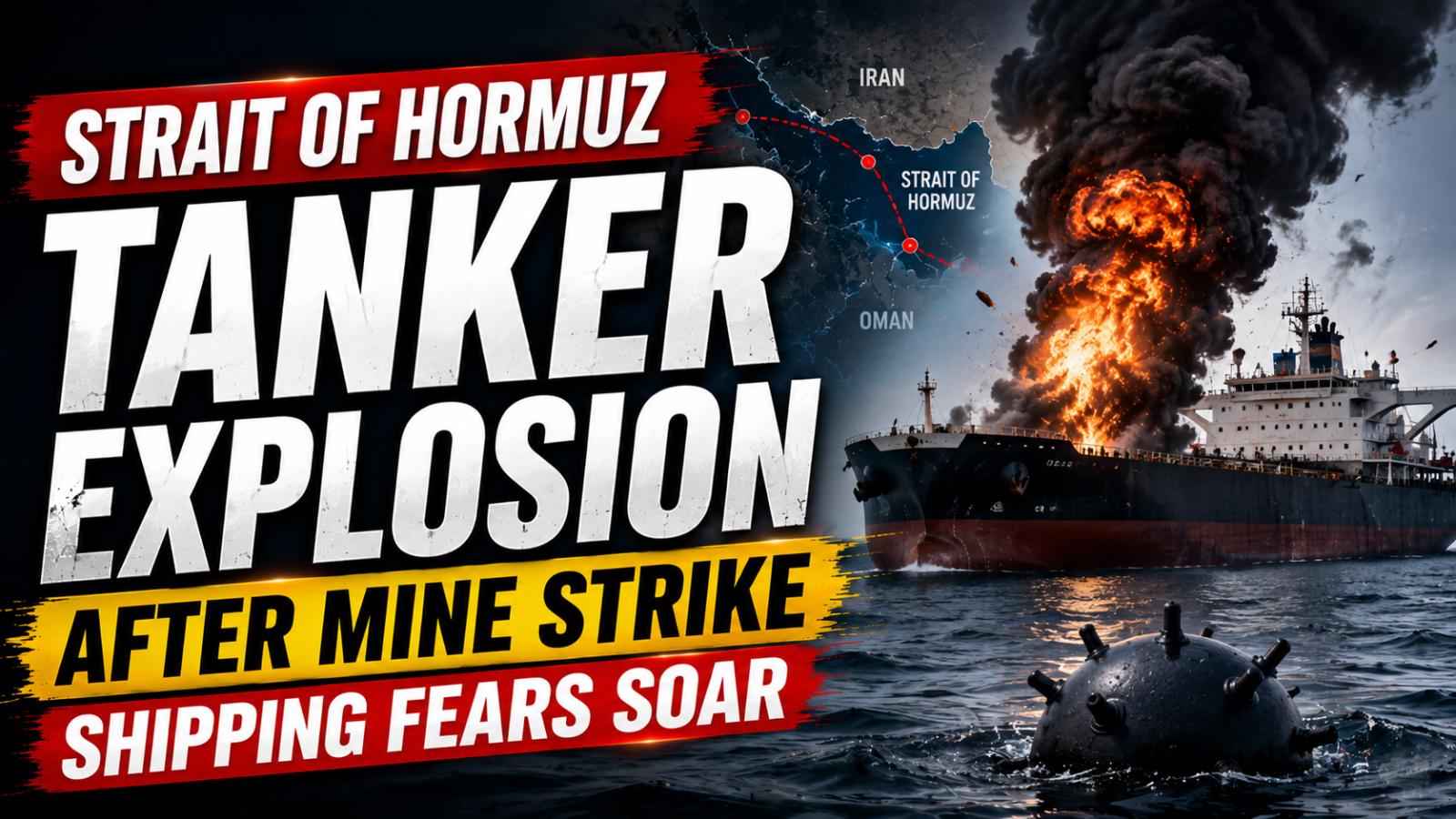
Strait of Hormuz Tanker Explosion Raises Shipping Fears
A reported Strait of Hormuz tanker explosion has renewed concern over maritime safety after Iranian media said an oil vessel struck a naval mine outside a route designated by Tehran. Iranian authorities have not issued a full official account, while the United States has paused strikes as diplomatic contacts continue. Strait of Hormuz tanker explosion remains unconfirmed An oil tanker reportedl
Strait of Hormuz Tanker Explosion Raises Shipping Fears
A reported Strait of Hormuz tanker explosion has renewed concern over maritime safety after Iranian media said an oil vessel struck a naval mine outside a route designated by Tehran. Iranian authorities have not issued a full official account, while the United States has paused strikes as diplomatic contacts continue. Strait of Hormuz tanker explosion remains unconfirmed An oil tanker reportedl
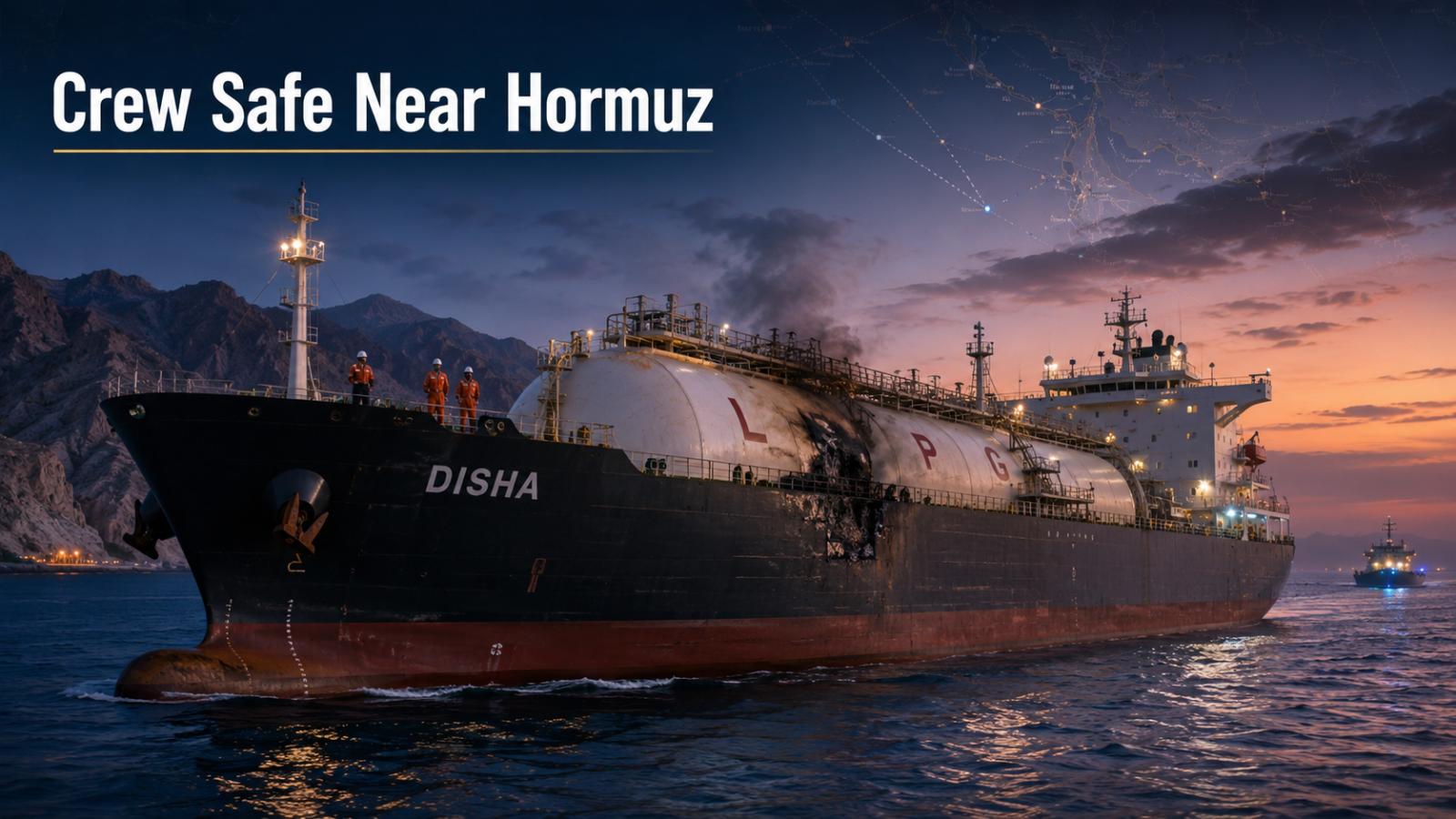
28 Indian crew safe after Disha LPG tanker attack near Hormuz
All 28 Indian crew members aboard the Mozambique-flagged Disha LPG tanker are safe after an attack in Iranian waters near the Strait of Hormuz. India’s embassy is monitoring the case as authorities assess the vessel and the source of the reported missile strike. All 28 Indian crew members confirmed safe All 28 Indian crew members aboard the Mozambique-flagged LPG tanker Disha were confirmed safe after the ves
28 Indian crew safe after Disha LPG tanker attack near Hormuz
All 28 Indian crew members aboard the Mozambique-flagged Disha LPG tanker are safe after an attack in Iranian waters near the Strait of Hormuz. India’s embassy is monitoring the case as authorities assess the vessel and the source of the reported missile strike. All 28 Indian crew members confirmed safe All 28 Indian crew members aboard the Mozambique-flagged LPG tanker Disha were confirmed safe after the ves
Diet Coke India Price Hike as Iran War Disrupts Can Supply
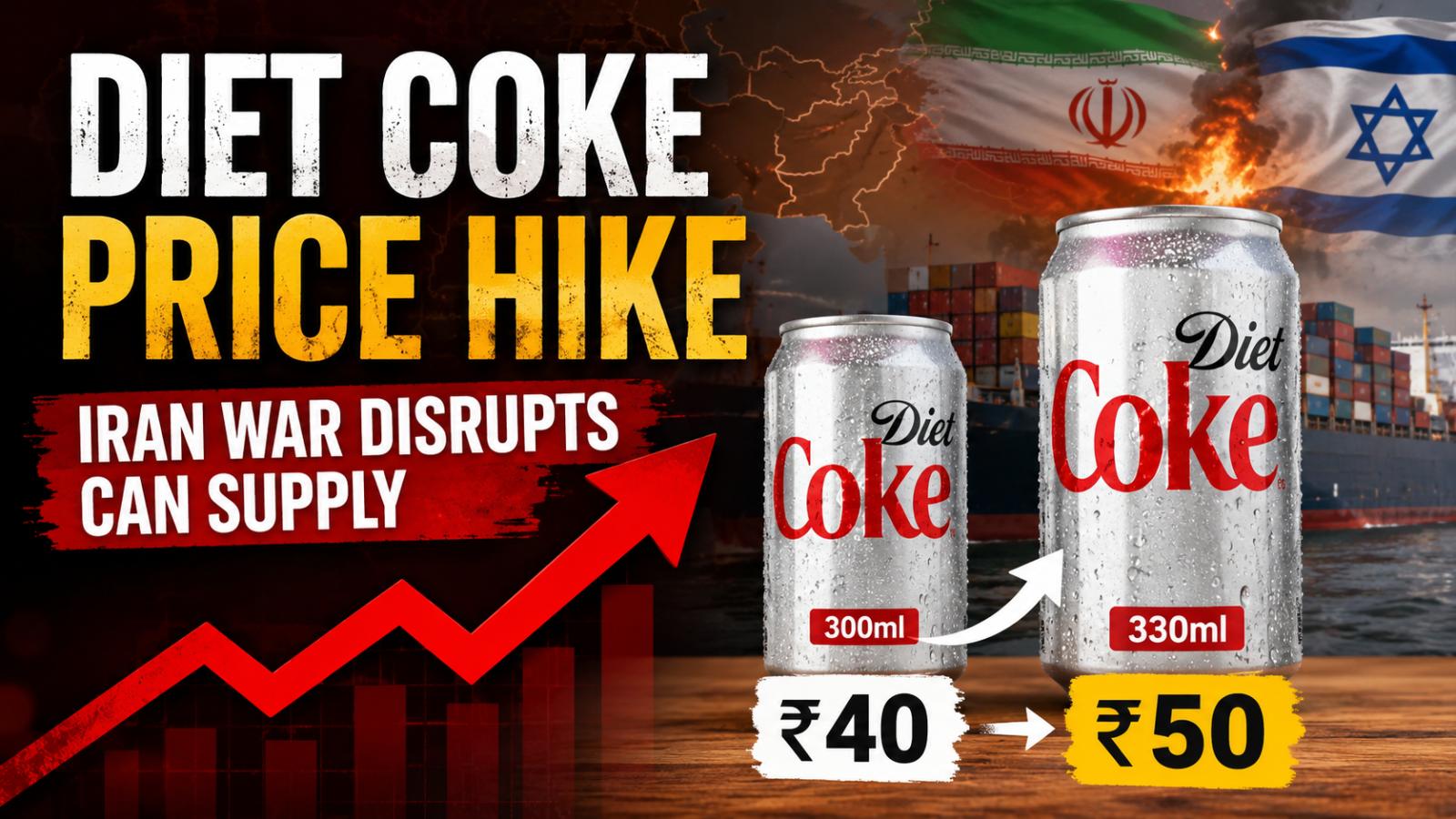
The Diet Coke India price hike is changing both the size and cost of the popular sugar-free drink. Coca-Cola has reportedly introduced a 330ml Diet Coke can priced at ₹50 after conflict-related shipping disruptions reduced the availability of its usual 300ml aluminium cans. The earlier 300ml can carried a retail price of ₹40. When measured by volume, the switch to a ₹50, 330ml can represents an effective price increase of approximately 13.6%. People with direct knowledge of the company’s pricing and sourcing strategy said the larger cans are being procured from Southeast Asia at a higher cost. Diet Coke 330ml can replaces the smaller pack Diet Coke is sold mainly in aluminium cans in India, unlike several other Coca-Cola beverages that are widely available in plastic and glass bottles. This packaging dependence has made the product particularly vulnerable to the current can shortage. Coca-Cola’s official Indian product page describes Diet Coke as a sugar-free beverage containing less than one calorie, but the company has not publicly announced the reported price revision. It also did not provide a response to requests for clarification about the new pack size and higher price. Retailers may continue selling remaining 300ml stock at ₹40 while introducing the new 330ml cans at ₹50. Availability and pricing could therefore differ between supermarkets, restaurants, online platforms and quick-commerce services. Aluminium can shortage affects Indian supplies The shortage is linked to disruptions affecting aluminium cans, raw materials and commercial cargo travelling through the Middle East. Import delays have pushed Coca-Cola to source alternative cans from Southeast Asian suppliers, increasing transportation and procurement expenses. The U.S. Maritime Administration has warned that threats to commercial vessels in the Persian Gulf, Strait of Hormuz and Gulf of Oman remain high. The International Maritime Organization has also called for coordinated measures to protect merchant ships and maintain safe passage through the region. These conditions affect more than beverage companies. Longer routes, higher insurance charges and uncertain delivery schedules can raise costs for businesses that depend on imported metals, packaging materials, energy products and industrial components. Strait of Hormuz disruption raises costs The Strait of Hormuz remains one of the most sensitive shipping routes affected by the conflict. The International Maritime Organization said it had verified at least 46 attacks against international shipping in and around the strait between February 28 and June 15, 2026. Although a temporary agreement had eased some concerns, renewed disruption has again complicated commercial traffic. The Diet Coke price increase demonstrates how geopolitical instability can quickly reach Indian consumers through higher sourcing, shipping and packaging costs. One Indian bottler has reportedly experimented with a 200ml glass bottle as a temporary alternative. However, online listings suggest that the smaller glass pack may cost more per millilitre than the canned version, limiting its appeal as a permanent replacement. Coke Zero supply remains less vulnerable Coke Zero is not facing the same level of packaging pressure because it is available in both cans and plastic bottles. This gives Coca-Cola more flexibility to maintain supplies when aluminium packaging becomes difficult or expensive to procure. Diet Coke, meanwhile, has built a loyal following among urban and calorie-conscious consumers. Its recent scarcity even inspired pubs, restaurants and influencers to organise Diet Coke parties, with some events charging entry fees while offering the drink, music and themed experiences. The revised ₹50 price may remain until aluminium can availability and shipping conditions improve. Consumers should check the printed maximum retail price and pack size, since both 300ml and 330ml cans may remain in circulation during the transition.
Diet Coke India Price Hike as Iran War Disrupts Can Supply
The Diet Coke India price hike is changing both the size and cost of the popular sugar-free drink. Coca-Cola has reportedly introduced a 330ml Diet Coke can priced at ₹50 after conflict-related shipping disruptions reduced the availability of its usual 300ml aluminium cans. The earlier 300ml can carried a retail price of ₹40. When measured by volume, the switch to a ₹50, 330ml can represents an effective price increase of approximately 13.6%. People with direct knowledge of the company’s pricing and sourcing strategy said the larger cans are being procured from Southeast Asia at a higher cost. Diet Coke 330ml can replaces the smaller pack Diet Coke is sold mainly in aluminium cans in India, unlike several other Coca-Cola beverages that are widely available in plastic and glass bottles. This packaging dependence has made the product particularly vulnerable to the current can shortage. Coca-Cola’s official Indian product page describes Diet Coke as a sugar-free beverage containing less than one calorie, but the company has not publicly announced the reported price revision. It also did not provide a response to requests for clarification about the new pack size and higher price. Retailers may continue selling remaining 300ml stock at ₹40 while introducing the new 330ml cans at ₹50. Availability and pricing could therefore differ between supermarkets, restaurants, online platforms and quick-commerce services. Aluminium can shortage affects Indian supplies The shortage is linked to disruptions affecting aluminium cans, raw materials and commercial cargo travelling through the Middle East. Import delays have pushed Coca-Cola to source alternative cans from Southeast Asian suppliers, increasing transportation and procurement expenses. The U.S. Maritime Administration has warned that threats to commercial vessels in the Persian Gulf, Strait of Hormuz and Gulf of Oman remain high. The International Maritime Organization has also called for coordinated measures to protect merchant ships and maintain safe passage through the region. These conditions affect more than beverage companies. Longer routes, higher insurance charges and uncertain delivery schedules can raise costs for businesses that depend on imported metals, packaging materials, energy products and industrial components. Strait of Hormuz disruption raises costs The Strait of Hormuz remains one of the most sensitive shipping routes affected by the conflict. The International Maritime Organization said it had verified at least 46 attacks against international shipping in and around the strait between February 28 and June 15, 2026. Although a temporary agreement had eased some concerns, renewed disruption has again complicated commercial traffic. The Diet Coke price increase demonstrates how geopolitical instability can quickly reach Indian consumers through higher sourcing, shipping and packaging costs. One Indian bottler has reportedly experimented with a 200ml glass bottle as a temporary alternative. However, online listings suggest that the smaller glass pack may cost more per millilitre than the canned version, limiting its appeal as a permanent replacement. Coke Zero supply remains less vulnerable Coke Zero is not facing the same level of packaging pressure because it is available in both cans and plastic bottles. This gives Coca-Cola more flexibility to maintain supplies when aluminium packaging becomes difficult or expensive to procure. Diet Coke, meanwhile, has built a loyal following among urban and calorie-conscious consumers. Its recent scarcity even inspired pubs, restaurants and influencers to organise Diet Coke parties, with some events charging entry fees while offering the drink, music and themed experiences. The revised ₹50 price may remain until aluminium can availability and shipping conditions improve. Consumers should check the printed maximum retail price and pack size, since both 300ml and 330ml cans may remain in circulation during the transition.
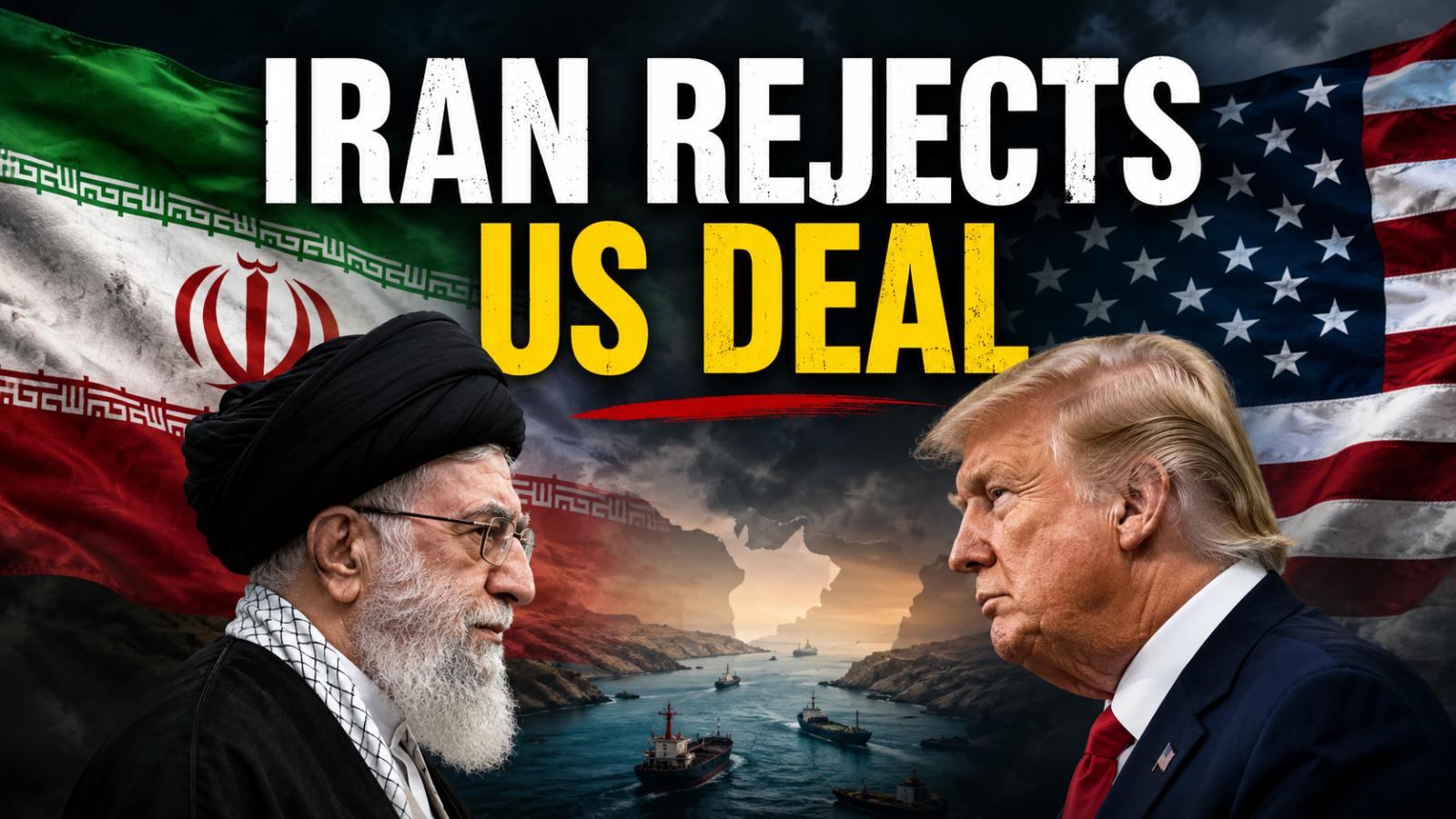
Iran Rejects US Deal Conveyed Through Iraq as Conflict Deepens
Iran has reportedly rejected a peace proposal from US President Donald Trump that Iraqi officials conveyed during a high-level visit to Tehran. The decision has weakened hopes for an Iran ceasefire as American strikes, Iranian retaliation and disputes over the Strait of Hormuz continue to intensify the US-Iran conflict. Iraq role in Trump’s peace proposal Iraqi Prime Minister Ali al-Zaidi rep
Iran Rejects US Deal Conveyed Through Iraq as Conflict Deepens
Iran has reportedly rejected a peace proposal from US President Donald Trump that Iraqi officials conveyed during a high-level visit to Tehran. The decision has weakened hopes for an Iran ceasefire as American strikes, Iranian retaliation and disputes over the Strait of Hormuz continue to intensify the US-Iran conflict. Iraq role in Trump’s peace proposal Iraqi Prime Minister Ali al-Zaidi rep
Trump Iranian Assets Plan Targets Gulf Shipping Damage
The Trump Iranian assets plan would direct Iranian funds controlled by Washington toward Gulf ship damage and cargo claims. However, the administration has not explained which incidents qualify, how losses will be assessed or whether existing US law permits the proposed payments. Trump Iranian Assets Plan US President Donald Trump said Ira
Trump Iranian Assets Plan Targets Gulf Shipping Damage
The Trump Iranian assets plan would direct Iranian funds controlled by Washington toward Gulf ship damage and cargo claims. However, the administration has not explained which incidents qualify, how losses will be assessed or whether existing US law permits the proposed payments. Trump Iranian Assets Plan US President Donald Trump said Ira
Iran Strait of Hormuz Oil Price Warning Sparks Global Concerns
Iran Strait of Hormuz oil price warning has reignited global attention after Parliament Speaker Mohammad Bagher Ghalibaf argued that US pressure on Tehran has instead pushed oil prices higher. As Brent crude briefly crossed $100 a barrel, markets, governments and investors are closely watching developments around one of the world's most critical energy routes.
Iran Strait of Hormuz Oil Price Warning Sparks Global Concerns
Iran Strait of Hormuz oil price warning has reignited global attention after Parliament Speaker Mohammad Bagher Ghalibaf argued that US pressure on Tehran has instead pushed oil prices higher. As Brent crude briefly crossed $100 a barrel, markets, governments and investors are closely watching developments around one of the world's most critical energy routes.
Iran Warns of Severe Response to US Infrastructure Strikes
Iran warns of a severe response to US infrastructure strikes after President Donald Trump threatened to target bridges and power plants if Tehran attacks vessels in the Strait of Hormuz. The exchange marks another sharp escalation in tensions between Washington and Tehran, raising concerns over regional security and global energy supplies. Trump threatens Iranian infrastructure attacks The war
Iran Warns of Severe Response to US Infrastructure Strikes
Iran warns of a severe response to US infrastructure strikes after President Donald Trump threatened to target bridges and power plants if Tehran attacks vessels in the Strait of Hormuz. The exchange marks another sharp escalation in tensions between Washington and Tehran, raising concerns over regional security and global energy supplies. Trump threatens Iranian infrastructure attacks The war
US Iran Strikes Enter 10th Night as Talks Continue
US Iran strikes enter 10th night as Washington continues military operations targeting Iranian capabilities linked to the Strait of Hormuz while diplomatic talks between both countries remain active. The latest developments highlight a dual strategy of military pressure and continued negotiations amid rising regional tensions. US Iran Strikes Enter 10th Night as Talk
US Iran Strikes Enter 10th Night as Talks Continue
US Iran strikes enter 10th night as Washington continues military operations targeting Iranian capabilities linked to the Strait of Hormuz while diplomatic talks between both countries remain active. The latest developments highlight a dual strategy of military pressure and continued negotiations amid rising regional tensions. US Iran Strikes Enter 10th Night as Talk
Trump Says US Strikes on Iran Honour Fallen American Soldiers
President Donald Trump said the latest US strikes on Iran hit the country “very hard” and were carried out in honour of three American soldiers killed in attacks in Jordan and Iraq. The renewed CENTCOM attacks have intensified the Iran retaliation cycle and raised fresh concerns over the Strait of Hormuz. Trump Iran strikes honour fallen US soldiers Trump said the military operation recogni
Trump Says US Strikes on Iran Honour Fallen American Soldiers
President Donald Trump said the latest US strikes on Iran hit the country “very hard” and were carried out in honour of three American soldiers killed in attacks in Jordan and Iraq. The renewed CENTCOM attacks have intensified the Iran retaliation cycle and raised fresh concerns over the Strait of Hormuz. Trump Iran strikes honour fallen US soldiers Trump said the military operation recogni
West Asia war live: U.S. strikes Iran as Tehran confirms talks
The West Asia war intensified on Monday as the United States carried out another round of strikes on Iran, Tehran acknowledged continuing diplomatic exchanges, and reported tanker explosions raised fresh concerns over the Strait of Hormuz and global energy supplies. U.S. strikes continue for ninth consecutive night The United States conducted a fresh wave of airstrikes against targets in Iran e
West Asia war live: U.S. strikes Iran as Tehran confirms talks
The West Asia war intensified on Monday as the United States carried out another round of strikes on Iran, Tehran acknowledged continuing diplomatic exchanges, and reported tanker explosions raised fresh concerns over the Strait of Hormuz and global energy supplies. U.S. strikes continue for ninth consecutive night The United States conducted a fresh wave of airstrikes against targets in Iran e
US Iran Ninth Night Strikes Raise Strait of Hormuz Risks
The US Iran ninth night strikes deepened the regional crisis as CENTCOM targeted Iranian military capabilities. Missile alerts spread across the Gulf, another US soldier died in Iraq, and rising oil prices reflected growing fears over the Strait of Hormuz. US Iran ninth night strikes announced by CENTCOM The US military launched a ninth consecutive night of attacks against Iran on Sunday, July 19, as the conflict entered another dangerous phase. US Central Command said on X that operations began at 7 p.m. Eastern Time and would continue targeting Iranian capabilities used to attack commercial vessels crossing the Strait of Hormuz. CENTCOM’s website had earlier confirmed eight consecutive nights of strikes through July 18 and listed several rounds of attacks conducted since July 11. It also confirmed that the United States had resumed its naval blockade against Iranian ports on July 13. Iranian state media reported explosions in several cities after the latest operation began, including Tabriz and areas near important ports. Reports from inside Iran also claimed that air-defence forces shot down a drone over the country’s south. These battlefield accounts had not been independently verified when they emerged. US soldier killed by Iranian drone ordnance CENTCOM announced that a US service member died in northern Iraq during a controlled detonation of unexploded ordnance from a downed Iranian one-way attack drone. Another service member suffered a minor injury during the incident. The death brought the reported number of US military fatalities linked to the wider Iran conflict to 17. Recent casualties have included service members killed during Iranian attacks in Jordan and other incidents across the region. The latest death highlights a risk that extends beyond direct missile and drone impacts. Unexploded weapons can remain dangerous after interception or crashing, placing military disposal teams and nearby communities at continued risk. Kuwait attack and Bahrain alerts widen crisis The confrontation also spread further across Gulf states. Bahrain activated warning sirens and instructed residents to seek shelter, while Kuwait said its air defences were responding to Iranian missile and drone attacks. Kuwaiti authorities accused Iran of damaging energy, water and oil-related facilities and causing fires. Gulf governments condemned the attacks as concerns grew that retaliatory operations could draw more countries into direct confrontation. The Strait of Hormuz remains at the centre of the crisis because disruptions there can affect major international energy shipments. CENTCOM says its latest attacks aim to reduce Iran’s ability to threaten vessels using the waterway. The renewed US blockade has added pressure on maritime traffic and increased fears of prolonged supply disruption. Strait of Hormuz crisis pushes oil above $90 Oil markets reacted quickly as fighting continued. Brent crude moved above $90 a barrel, while US crude traded above $84 during Sunday trading. Market reports linked the increase to renewed strikes, Iranian retaliation and uncertainty surrounding shipping through the Strait of Hormuz. The price rise shows how quickly a military escalation can spread beyond the battlefield. Higher crude costs can increase transport, manufacturing and consumer prices, particularly when traders expect shipping delays or damage to regional energy infrastructure. Iran also announced that it was suspending commitments connected to its ceasefire understanding with Washington. Iranian officials accused the United States of violating the arrangement by continuing military attacks. Those claims reflect Tehran’s position and require comparison with the original agreement and statements from all parties. With diplomacy weakening, casualties rising and Gulf infrastructure facing attacks, neither side appears close to de-escalation. The immediate danger is no longer limited to targets inside Iran. It now includes military bases, ports, commercial shipping and essential facilities across the wider region. Relevant internal links include previous coverage of the CENTCOM strikes on Iran, the Chabahar Port attack, Iranian missile interceptions over Gulf states and the full US-Iran conflict timeline.





US Iran Ninth Night Strikes Raise Strait of Hormuz Risks
The US Iran ninth night strikes deepened the regional crisis as CENTCOM targeted Iranian military capabilities. Missile alerts spread across the Gulf, another US soldier died in Iraq, and rising oil prices reflected growing fears over the Strait of Hormuz. US Iran ninth night strikes announced by CENTCOM The US military launched a ninth consecutive night of attacks against Iran on Sunday, July 19, as the conflict entered another dangerous phase. US Central Command said on X that operations began at 7 p.m. Eastern Time and would continue targeting Iranian capabilities used to attack commercial vessels crossing the Strait of Hormuz. CENTCOM’s website had earlier confirmed eight consecutive nights of strikes through July 18 and listed several rounds of attacks conducted since July 11. It also confirmed that the United States had resumed its naval blockade against Iranian ports on July 13. Iranian state media reported explosions in several cities after the latest operation began, including Tabriz and areas near important ports. Reports from inside Iran also claimed that air-defence forces shot down a drone over the country’s south. These battlefield accounts had not been independently verified when they emerged. US soldier killed by Iranian drone ordnance CENTCOM announced that a US service member died in northern Iraq during a controlled detonation of unexploded ordnance from a downed Iranian one-way attack drone. Another service member suffered a minor injury during the incident. The death brought the reported number of US military fatalities linked to the wider Iran conflict to 17. Recent casualties have included service members killed during Iranian attacks in Jordan and other incidents across the region. The latest death highlights a risk that extends beyond direct missile and drone impacts. Unexploded weapons can remain dangerous after interception or crashing, placing military disposal teams and nearby communities at continued risk. Kuwait attack and Bahrain alerts widen crisis The confrontation also spread further across Gulf states. Bahrain activated warning sirens and instructed residents to seek shelter, while Kuwait said its air defences were responding to Iranian missile and drone attacks. Kuwaiti authorities accused Iran of damaging energy, water and oil-related facilities and causing fires. Gulf governments condemned the attacks as concerns grew that retaliatory operations could draw more countries into direct confrontation. The Strait of Hormuz remains at the centre of the crisis because disruptions there can affect major international energy shipments. CENTCOM says its latest attacks aim to reduce Iran’s ability to threaten vessels using the waterway. The renewed US blockade has added pressure on maritime traffic and increased fears of prolonged supply disruption. Strait of Hormuz crisis pushes oil above $90 Oil markets reacted quickly as fighting continued. Brent crude moved above $90 a barrel, while US crude traded above $84 during Sunday trading. Market reports linked the increase to renewed strikes, Iranian retaliation and uncertainty surrounding shipping through the Strait of Hormuz. The price rise shows how quickly a military escalation can spread beyond the battlefield. Higher crude costs can increase transport, manufacturing and consumer prices, particularly when traders expect shipping delays or damage to regional energy infrastructure. Iran also announced that it was suspending commitments connected to its ceasefire understanding with Washington. Iranian officials accused the United States of violating the arrangement by continuing military attacks. Those claims reflect Tehran’s position and require comparison with the original agreement and statements from all parties. With diplomacy weakening, casualties rising and Gulf infrastructure facing attacks, neither side appears close to de-escalation. The immediate danger is no longer limited to targets inside Iran. It now includes military bases, ports, commercial shipping and essential facilities across the wider region. Relevant internal links include previous coverage of the CENTCOM strikes on Iran, the Chabahar Port attack, Iranian missile interceptions over Gulf states and the full US-Iran conflict timeline.